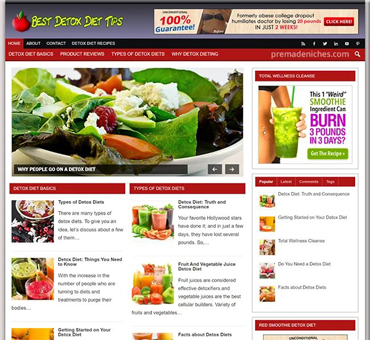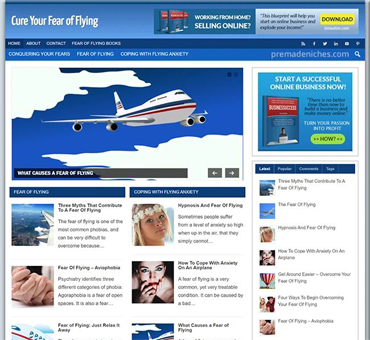


Build a Search Presence That Compounds
Niche Website SEO is a focused, practical approach to making a specialized website visible to the people most likely to value its information, products, or services. Instead of competing broadly for enormous keywords, it identifies a defined audience, understands that audience’s questions, and creates authoritative pages that answer those questions better than competing results. The objective is not merely higher rankings. It is qualified traffic, growing trust, useful conversions, and a durable digital asset that can produce value long after publication.
A niche website may serve gardeners seeking balcony irrigation advice, accountants serving independent medical practices, or travelers planning accessible rail journeys. Each example has a narrower market than a general publication, yet that narrowness can become a powerful advantage. Relevance is easier to demonstrate, content can be more specific, and visitors often arrive with clear needs. Strategic SEO turns those advantages into discoverability.
A strong program combines research, technical clarity, content quality, internal linking, authority development, and measurement. It avoids shortcuts that produce temporary visibility while damaging credibility. With consistent execution, a small website can establish topical authority and compete with larger domains whose pages are less specialized.
What Niche Website SEO Includes
Niche Website SEO is not one task or software feature. It is a connected system that aligns a website with search intent and search engine understanding. The process begins by defining the market precisely. A useful niche is specific enough to support distinctive expertise, but broad enough to provide many related questions, products, and problems.
Next comes keyword discovery. Effective research goes beyond collecting high-volume phrases. It identifies the language real users employ, the stage of their decision process, and the type of answer they expect. Informational searches may ask how to solve a problem. Commercial searches compare solutions. Transactional searches indicate readiness to buy. Navigational searches seek a known brand or resource. A successful website serves several stages while guiding visitors naturally toward an appropriate next step.

The work also includes site architecture. Categories, URLs, menus, and internal links should communicate relationships among subjects. Search engines can then crawl and interpret the site efficiently, while readers can move from introductory material to detailed guidance. Technical foundations matter too: mobile usability, performance, indexability, structured data where appropriate, secure connections, and clean handling of duplicate or thin pages.
Finally, SEO requires authority and refinement. Original expertise, credible references, helpful demonstrations, and genuine mentions from relevant websites strengthen reputation. Analytics and search performance data reveal what deserves expansion, revision, consolidation, or removal.
Choosing a Profitable Niche
A promising niche sits at the intersection of audience need, achievable visibility, and commercial opportunity. Passion can help sustain publishing, but enthusiasm alone does not prove demand. Begin with a clear audience statement: who is served, what problem is important to them, and what makes this website’s perspective credible?
Examine the search landscape before committing. Review results for important topics and note the format, depth, freshness, and authority of current pages. If every result comes from established institutions with extensive resources, entry may require a sharply narrower angle. A less crowded subtopic can provide a practical starting point. For example, “home fitness” is broad, whereas “strength training for people with limited home space” creates a more distinctive editorial territory.

Consider monetization early, without allowing revenue to dictate poor advice. Potential models include digital products, memberships, consulting, carefully selected affiliate recommendations, advertising, sponsorships, and physical products. Match the model to user intent. A detailed comparison may support an affiliate relationship, while a safety guide should prioritize accuracy and trust rather than aggressive promotion.
Evaluate durability. Seasonal interests can be profitable but volatile. Regulated, medical, financial, or safety-related subjects demand stronger credentials, review processes, and transparent sourcing. Choose a topic where you can maintain accuracy as standards, products, and user expectations change. A focused niche becomes an asset only when the publisher can consistently contribute genuine value.
Validating Demand
Use several signals rather than trusting a single keyword volume estimate. Search suggestions, related questions, forums, community discussions, competitor comments, marketplace reviews, and customer interviews expose recurring language and frustrations. Look for problems that people describe repeatedly and for which existing answers feel incomplete.
Create a simple validation map. List core problems, supporting questions, potential solutions, products, and likely conversion actions. Then identify at least several dozen connected topics. If the map contains only a handful of ideas, the niche may be too narrow or too dependent on one trend. If it contains thousands of unrelated ideas, the positioning may be too broad.
Building a Keyword and Topic Strategy
Keyword research should produce an editorial map, not a spreadsheet full of isolated phrases. Group terms by meaning and intent, then assign each group to the page type that best satisfies it. A pillar page can explain a broad subject, while supporting pages answer narrower questions, compare options, explain procedures, or address mistakes.
Prioritize topics by value, relevance, competition, and effort. A low-volume phrase can be highly valuable when it signals strong purchase intent or attracts a well-defined audience. Conversely, a large informational phrase may generate attention without supporting the website’s purpose. Establish a balanced portfolio: accessible questions that can earn early visibility, authoritative cornerstone subjects, and commercial pages that support sustainability.
Study the current results carefully. Search intent is visible in repeated patterns: tutorials, lists, product pages, videos, local results, calculators, or original research. Your page should satisfy the dominant need while offering a meaningful reason to choose it. Do not force a sales page into an educational query or inflate a short answer into an unnecessary article.
Write naturally. Include important concepts, synonyms, examples, qualifications, and related questions because they improve completeness, not because a particular phrase must appear a fixed number of times. Clear language usually serves both readers and modern search systems better than mechanical repetition.
Creating a Content Brief
Before drafting, document the intended reader, primary question, secondary questions, search intent, recommended format, competing weaknesses, evidence requirements, internal links, conversion goal, and update triggers. A brief prevents attractive but irrelevant ideas from consuming resources.

Define the page’s unique contribution. It might include original measurements, expert commentary, a decision framework, a downloadable template, field-tested instructions, or a clearer explanation for a neglected audience. “Longer” is not a contribution by itself. A concise, accurate guide can outperform a padded article when it resolves the reader’s problem efficiently.
Designing Helpful, Authoritative Content
Quality content demonstrates understanding rather than merely repeating common statements. Explain why a recommendation works, when it does not work, and what alternatives exist. Use concrete examples, process steps, tables, definitions, and warnings where they improve comprehension. Break complex subjects into logical sections with descriptive headings so readers can scan confidently.
Trust is especially important in subjects affecting health, finances, safety, or legal decisions. Identify authors, describe relevant experience, cite reliable sources, disclose commercial relationships, and state limitations. Do not imply professional authority you do not possess. Editorial review, dates, correction policies, and transparent methodology can strengthen confidence.
Original evidence differentiates a niche website. Conduct a small experiment, survey users, test products, document a process, or analyze publicly available data responsibly. Present methods and limitations honestly. Even modest firsthand evidence can make a page more useful than generic summaries copied across the web.
Optimize for task completion. If someone asks how to select equipment, provide criteria, tradeoffs, examples, and a practical checklist. If someone seeks troubleshooting help, begin with safe diagnostic steps and identify when professional assistance is necessary. The visitor should leave with more capability, not merely more words.
On Page Optimization
Use a clear title that accurately promises the page’s benefit. Write a concise meta description that encourages a qualified click without making unsupported claims. Place the central topic naturally in the introduction, headings, URL, and relevant image alternatives, but prioritize clarity.
Make pages easy to navigate. Use meaningful headings, short paragraphs, descriptive links, lists, captions, and accessible contrast. Add a table of contents for long guides when it helps orientation. Compress images, choose suitable formats, specify dimensions, and write useful alternative text. Avoid decorative keyword stuffing in filenames or accessibility fields.
Internal links should guide users through related decisions. Link from broad explanations to specialized answers, and from supporting pages back to important hubs. Use descriptive anchor text that tells readers what they will find. Periodically inspect orphaned pages, broken links, redirect chains, and links pointing to outdated recommendations.

Structured data can help search engines interpret eligible content, such as articles, products, breadcrumbs, events, or frequently asked questions. Markup does not guarantee enhanced results, and inaccurate implementation can create problems. Validate it, keep it consistent with visible content, and treat it as interpretation support rather than a ranking shortcut.
Technical SEO for Smaller Sites
Technical SEO establishes access and reliability. Confirm that important pages can be crawled and indexed, while private, duplicate, experimental, or low-value areas are handled deliberately. Review robots directives, XML sitemaps, canonical signals, redirects, status codes, and pagination. Search Console or equivalent tools can expose indexing anomalies that ordinary browsing will not reveal.
Performance affects experience and can influence search visibility. Improve hosting, caching, image delivery, script management, and layout stability. Measure real users where possible instead of relying only on laboratory scores. A fast site is valuable, but removing essential functionality merely to chase a perfect score can reduce usefulness.
Responsive design is mandatory because many niche audiences browse on phones. Test menus, forms, comparison tables, buttons, and interactive tools at multiple widths. Check keyboard access, labels, focus states, headings, and readable text. Accessibility improvements often help every visitor, including those using slow connections or assistive technology.
Protect the site with secure connections, strong authentication, updates, backups, and monitoring. A niche website may seem too small to attract attacks, yet automated threats rarely assess size first. Recovery planning protects accumulated content and audience trust.
Authority, Links, and Community
Relevant recognition remains valuable because it helps users and search engines identify credible resources. Pursue links through genuine usefulness rather than mass outreach or manufactured schemes. Publish original research, contribute expert explanations, create practical tools, collaborate with respected organizations, or offer data that others can cite.
Digital public relations should begin with a newsworthy asset and a specific audience. A journalist or community editor is more likely to respond to a clear finding, useful visualization, or informed comment than to a generic request for a backlink. Personalize outreach, respect editorial independence, and accept that not every mention will include a link.
Community participation builds more than rankings. Answer questions thoughtfully in relevant forums, attend industry events, support associations, and listen to recurring objections. Never disguise promotion as help. A reputation for reliable contributions can lead to referrals, partnerships, testimonials, and natural citations.
Avoid purchased links, automated comment campaigns, private network schemes, copied guest posts, and exaggerated claims. Such tactics can waste money, erode trust, and create compliance risks. Authority is slower when earned, but it compounds more safely.

Measuring Performance and Improving
Set measurable objectives before publishing. Examples include qualified organic visits, email subscriptions, product inquiries, assisted conversions, returning users, or revenue from a defined topic cluster. Rankings and impressions provide useful diagnostic context, but they are not the final business outcome.
Establish baseline data and annotate significant changes, such as redesigns, major updates, promotions, or search algorithm shifts. Examine queries, landing pages, engagement, conversion paths, geographic patterns, and device behavior. A page with strong impressions but weak clicks may need a clearer title or better alignment. A page with traffic but no meaningful action may attract the wrong intent or lack a compelling next step.
Review content on a schedule based on risk and change rate. Update statistics, screenshots, product details, links, regulations, and recommendations. Combine overlapping pages when they compete with one another, redirect obsolete material where appropriate, and preserve useful historical context when it serves readers.
Run controlled improvements when possible. Change one meaningful element, record the date, allow enough time for data, and compare relevant segments. Avoid declaring success from a few days of fluctuation. Search performance is affected by seasonality, competitors, demand changes, and technical conditions.
A Practical Launch Framework
Start with positioning, audience research, and a manageable site structure. Prepare foundational pages that explain the niche, demonstrate credibility, describe offerings, and establish contact or disclosure information. Then publish a cluster of interconnected resources rather than one isolated article. This gives visitors depth and gives search engines clearer topical context.
Before launch, test every important journey. Can a visitor find the main guide, understand the recommendation, compare alternatives, submit a form, and complete a purchase or subscription? Check mobile layouts, spelling, links, structured data, indexing settings, analytics, privacy notices, and backups.
During the first phase, prioritize learning over vanity. Watch which questions produce impressions, which pages attract links, and where readers stop. Improve existing promising pages while adding content that fills proven gaps. Early momentum often comes from making a useful page substantially better, not from publishing at maximum speed.
Create a sustainable calendar. Balance evergreen guides with timely updates, commercial pages with educational resources, and ambitious research with smaller maintenance tasks. Assign ownership for fact checking, editing, technical review, and updates. A realistic system beats an impressive schedule that collapses after a month.
FAQ
How long does niche SEO take?
Results vary by competition, site history, authority, content quality, and demand. Some specific queries may gain visibility within weeks, while a substantial traffic base commonly requires several months of consistent work. Treat early impressions and qualified visits as learning signals, not promises. Publishing expertise, improving pages, and earning relevant recognition steadily usually produces more durable progress than chasing instant results.
Should a new site target low competition keywords?
Accessible topics are often sensible starting points, but competition should not be the only filter. A low competition phrase with no audience value will not build a business. Choose questions that are relevant, connected to broader themes, and capable of leading naturally to a useful action. As credibility grows, the site can pursue more competitive subjects.
How many articles should be published each month?
There is no universal number. Publish at the pace required to research, draft, edit, illustrate, optimize, and maintain genuinely helpful pages. One excellent, strategically connected resource may outperform ten shallow articles. Consistency matters because it creates learning and coverage, but quality and relevance should set the schedule.
Are backlinks still necessary?
Recognition from relevant, trustworthy sites can support discovery and credibility, but links are not a license to manipulate results. A small site can earn attention through original evidence, useful tools, expert contributions, and strong community relationships. Focus on becoming cite-worthy rather than purchasing volume.
Is AI-generated content acceptable?
Technology can assist with brainstorming, outlines, transcription, or editing, but it should not replace expertise, verification, originality, or accountability. Review every factual claim, remove invented references, protect confidential information, and ensure the final work reflects a real editorial perspective. Readers deserve accurate content created for their needs, not automated filler.
What should a niche site monetize first?
Choose the least disruptive model that fits intent and trust. A relevant service, carefully tested product recommendation, email resource, course, membership, or consultation may work better than excessive advertising. Start by solving a problem, measure user response, and disclose relationships clearly. Monetization should strengthen the experience rather than obstruct it.
When should old content be removed?
Remove or consolidate pages that are inaccurate, redundant, empty, or permanently irrelevant. Before deleting, check traffic, links, conversions, and user value. Update worthwhile pages, redirect replaced resources to the closest equivalent, and avoid redirecting everything to a generic homepage. Clean architecture can make the remaining content easier to understand.
Conclusion
Niche Website SEO is a disciplined way to turn specialized knowledge into discoverable, trusted, and commercially useful digital property. Its advantage comes from focus: understanding a defined audience deeply, answering meaningful questions completely, and connecting every technical and editorial decision to user value.
The strongest strategy begins with a validated niche and a clear topic map. It builds an accessible, fast, trustworthy site; publishes original and useful resources; develops relevant relationships; and measures outcomes beyond rankings. It also accepts that SEO is iterative. Search behavior changes, competitors improve, products evolve, and readers reveal new needs. Regular review keeps the website accurate and competitive.
Do not wait for perfect authority, a huge budget, or an enormous content library. Select a focused problem, create the best practical resource you can, connect it to related answers, and improve it using evidence. Repeated over time, these actions create compounding visibility and trust. The result is not just more traffic, but a stronger relationship with an audience that is specifically looking for what your niche website can provide.
WP AI Autoblogging Beginners Guide
Best WordPress AI Autoblogging Plugin

WP Learning 101

Free YouTube Backlink Generator Software

Latest Product