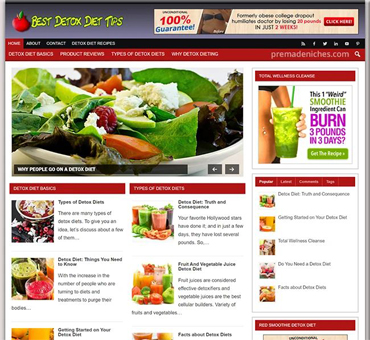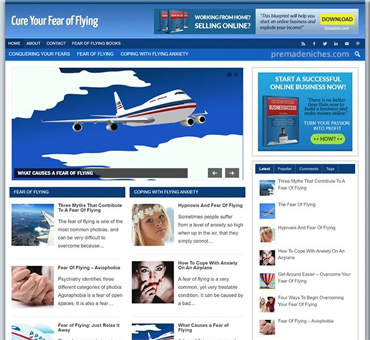


Niche Website SEO Strategies for Sustainable Growth
Niche website SEO is the process of improving a focused website so that it attracts the right visitors, answers their questions, and earns dependable visibility in organic search. Unlike broad publishing, niche optimization concentrates on a defined audience, a limited subject area, and a clear commercial or informational purpose. That focus can become a powerful advantage: smaller sites can build topical depth, trust, and relevance without competing everywhere at once.
Sustainable growth begins with usefulness, not shortcuts. Choose a specific audience, understand its problems, create genuinely helpful content, and make the site easy for people and search engines to navigate. Then measure results patiently, improve weak pages, and expand only when the original topic is well covered. This approach supports traffic that is more qualified, easier to convert, and less dependent on temporary trends.
Define a Niche With Commercial Potential
A strong niche sits at the intersection of expertise, audience need, and realistic opportunity. A topic may be interesting but too small to support a business, or popular but dominated by established publishers. Your task is to find a focused subject with enough recurring questions, products, services, or decisions to justify a useful website.
Start by describing the audience precisely. “Homeowners” is broad; “first-time apartment renters choosing compact air purifiers” is more actionable. Identify their goals, knowledge level, constraints, and vocabulary. Examine forums, community discussions, product reviews, support questions, and existing search results to discover repeated problems. These sources reveal how people phrase concerns and where current answers fail.
Evaluate commercial relevance without assuming every visitor will buy. Informational topics can support advertising, email subscriptions, consulting, digital products, or referrals. Commercial topics may support affiliate recommendations, lead generation, or direct sales. Map several possible revenue paths before investing heavily. A niche that depends on one fragile offer deserves more caution than a niche with multiple legitimate ways to help users.

Test Demand and Competition
Use keyword research tools as directional aids rather than unquestionable authorities. Look for groups of related queries, not one impressive phrase. Review search intent, content quality, brand strength, and the freshness of ranking pages. A competitive term may still be approachable through narrower questions, practical comparisons, original demonstrations, or underserved audiences.
Do not judge competition solely by domain size. Inspect whether leading pages actually solve the problem. If results are outdated, vague, poorly organized, or written for a different audience, a specialized site may earn attention by being clearer and more useful. Conversely, if results are comprehensive and trusted, choose a narrower entry point.
Build a Topical Map Before Publishing
A topical map organizes the website around user needs rather than random keywords. Create one central pillar page that explains the broad subject, then develop supporting pages covering definitions, setup, maintenance, comparisons, troubleshooting, costs, safety, and advanced decisions. Link these pages deliberately so readers and crawlers can understand their relationships.

For example, a site about balcony gardening might include a pillar guide, pages about containers, sunlight, soil, irrigation, suitable plants, seasonal care, and common failures. Each article should have a distinct purpose. Avoid producing five pages that answer the same question with slightly different wording. Consolidation is often better than dilution.
Assign every planned page a primary intent. Informational pages explain concepts or processes. Investigative pages compare options and criteria. Transactional pages help visitors choose or purchase. Navigational pages support access to a brand, tool, or resource. Matching format to intent improves satisfaction because the page delivers what the visitor expected.
Create Content That Demonstrates Expertise
Useful niche content usually contains specific decisions, not broad encouragement. Explain who a recommendation suits, when it fails, what alternatives exist, and which tradeoffs matter. Include practical steps, checklists, examples, definitions, and warning signs where appropriate. Readers should be able to act after finishing the page.
Accuracy matters especially in health, finance, legal, safety, and technical subjects. Separate established information from personal judgment or general guidance. Avoid guarantees. Cite authoritative material when it is genuinely relevant and current, but never add references merely to appear credible. If professional advice is necessary, say so plainly.
Original value can come from synthesis rather than proprietary research. You might organize scattered information into a decision framework, translate technical language for beginners, compare specifications consistently, or show how different user circumstances change the answer. A page does not need novelty for its own sake; it needs clarity and dependable usefulness.
Optimize On-Page Elements Without Overdoing Keywords
Use the main topic naturally in the title, introduction, relevant headings, and page description. Add related terminology only when it helps explain the subject. Search engines generally need context, but readers should never encounter awkward repetition. Write for comprehension first.
A strong title communicates the page’s benefit and scope. Headings should divide the answer into logical questions, not serve as decorative keyword containers. The opening should confirm that the page addresses the visitor’s problem. Use descriptive image alternative text when images convey meaning, and keep URLs concise and understandable.

Improve readability with short paragraphs, useful lists, tables when comparison is genuinely clearer, and meaningful internal links. Place important information where readers can find it without excessive scrolling. Every link should set an accurate expectation. Avoid pop-ups, intrusive advertising, or layouts that make the primary answer difficult to access.
Strengthen Internal Linking
Internal links distribute attention and help visitors continue their research. Link from broad guides to detailed explanations, from definitions to practical tutorials, and from comparison pages to relevant buying guidance. Use anchor text that describes the destination rather than repeating an identical phrase everywhere.
Review links after publishing. Remove broken destinations, correct misleading anchors, and add links from established pages to newer resources when relevant. A well-connected site often performs better as a whole because users can explore a complete subject journey instead of reaching a dead end.
Earn Trust Through Website Quality
Technical SEO cannot rescue thin or unreliable content, but technical problems can prevent good content from being discovered or used. Ensure important pages are crawlable, indexable, mobile-friendly, and accessible. Use a logical navigation structure, secure hosting, clean templates, and consistent canonical handling where needed.
Pay attention to performance, but do not chase a perfect score at the expense of functionality. Compress oversized images, reduce unnecessary scripts, select efficient fonts, and test pages on ordinary mobile connections. Fast pages reduce friction, especially for visitors researching products or following instructions.
Make authorship and ownership understandable. Provide an About page, contact method, editorial information, and policies appropriate to the site. Show how recommendations are formed and disclose commercial relationships clearly. Trust is not created by a badge alone; it grows when claims, incentives, and limitations are transparent.
Protect the Site From Low-Quality Expansion
Publishing more is not automatically progress. Before adding an article, ask whether it serves a distinct need, strengthens the topical map, and can be maintained accurately. Programmatic or lightly edited pages may create duplication and confuse visitors. Update, merge, or remove content that no longer deserves attention.

Seasonal and time-sensitive topics require maintenance plans. Mark dates clearly when information changes, review recommendations periodically, and avoid promising permanent accuracy. If a product, policy, or platform changes, revise affected pages rather than letting obsolete advice accumulate.
Develop Ethical Authority and Promotion
Links can help discovery and reputation, but pursuing them mechanically often produces poor results. Create resources that others can reasonably cite: original glossaries, practical calculators, well-organized references, transparent experiments, or comprehensive guides. Promote them to relevant publishers, communities, professional groups, and partners without demanding coverage.
Relationship-based promotion is stronger than mass outreach. Contact people only when the resource genuinely supports their audience. Explain the specific usefulness, avoid exaggerated claims, and accept that many recipients will decline. Contributions to reputable publications can also introduce your expertise, provided the content is substantial and the placement is editorially appropriate.
Avoid buying links intended to manipulate rankings, automated submissions, private networks, copied guest posts, and fabricated testimonials. Such tactics can damage trust and create long-term cleanup work. Sustainable authority comes from being useful in places where real people already seek answers.
Measure Performance and Improve Deliberately
Use analytics and search performance data to understand behavior, not to celebrate vanity numbers. Track impressions, clicks, qualified visits, engagement signals, conversions, revenue, and email growth according to the site’s purpose. A page with fewer visitors may be more valuable if it attracts people ready to contact or purchase.
Group pages by topic and intent. Compare how informational guides perform against commercial pages, and inspect differences in titles, introductions, structure, and calls to action. When a page receives impressions but few clicks, test whether the title and description accurately communicate its value. When it receives visits but no meaningful action, examine intent alignment, clarity, trust, and next steps.
Update content based on evidence. Add missing explanations, answer newly common questions, improve examples, replace weak recommendations, and strengthen links. Change one meaningful element at a time when possible so you can interpret results. Do not treat every fluctuation as a verdict; search visibility varies for many reasons.

Build a Sustainable Publishing System
Create an editorial calendar based on audience priorities, not an arbitrary posting quota. Balance foundational guides, supporting articles, comparison pages, updates, and occasional original resources. Give each assignment a brief containing the audience, intent, key questions, evidence requirements, internal links, and desired action.
Use a review checklist covering factual accuracy, originality, readability, accessibility, disclosure, metadata, links, and mobile presentation. Assign responsibility for updates. A simple maintenance schedule may prioritize pages that generate conversions, represent important advice, or depend on changing information.
Repurpose thoughtfully. A detailed guide can become a checklist, email lesson, short video, or comparison worksheet, but each format should be adapted to its audience. Repetition across channels is useful only when it adds access or convenience, not when it merely duplicates text.
Common Mistakes That Limit Niche Growth
Choosing a niche solely because it appears profitable is risky. If you cannot understand the audience or sustain accurate publishing, motivation and quality will decline. A profitable subject still requires a credible reason for readers to trust your site.
Another mistake is targeting only high-volume keywords. Specific questions often reveal clearer intent and can establish topical credibility. Build from narrow, useful problems toward broader coverage as evidence shows what readers need.
Many site owners publish articles without a conversion path. A helpful visitor should know what to do next: read a related guide, download a resource, join an email list, request assistance, or evaluate a suitable product. The next step must fit the visitor’s readiness and remain genuinely optional.
Ignoring negative evidence is equally harmful. If a recommendation has limitations, state them. If a product is unsuitable for a particular use, explain why. Balanced guidance is more persuasive than universal praise because it helps readers make informed decisions.
FAQ
How long does niche SEO take?
There is no universal timetable. Results depend on competition, content quality, site history, technical condition, authority, and publishing consistency. Early progress may appear as impressions, indexed pages, or long-tail visits before major traffic arrives. Evaluate trends over meaningful periods rather than expecting immediate outcomes.
How many articles should a niche website publish?
There is no useful fixed number. Publish enough to cover important audience questions thoroughly, then improve existing pages before expanding. Ten excellent, connected resources can be more valuable than dozens of shallow posts. Let topic breadth, user needs, and performance evidence determine the next assignment.
Should every article target a separate keyword?
No. Keywords are clues about needs, not mandatory labels for pages. Several closely related queries may belong on one comprehensive page. Create separate pages when intent, audience, format, or decision stage is meaningfully different. Combining overlapping content can reduce confusion and strengthen the best answer.
Are backlinks necessary?
External references can support discovery and perceived authority, but useful content can earn visibility without aggressive link campaigns. Prioritize a trustworthy site, clear expertise, and resources worth mentioning. Avoid manipulative schemes and judge opportunities by relevance, editorial quality, and real audience value.
Is an exact-match domain required?
No. A clear, memorable brand can serve a niche effectively without copying a search phrase. Choose a name that leaves room for reasonable growth, is easy to pronounce and spell, and does not imply claims the business cannot support.
How should affiliate recommendations be handled?
Recommend only products or services relevant to the audience and explain selection criteria, strengths, limitations, and suitable use cases. Disclose commercial relationships conspicuously. Keep editorial judgment independent, and do not present paid placement as objective superiority.
What should be updated first?
Start with pages that attract valuable visitors, support important conversions, contain time-sensitive information, or show clear opportunities for improvement. Check search results and user questions before revising. Preserve what works while adding missing detail, stronger evidence, clearer structure, or more accurate recommendations.
Can a small site compete with large publishers?
Yes, in focused areas where specialized understanding and superior usefulness matter. A smaller site should avoid imitating a general publisher. Serve a clearly defined audience, answer practical questions deeply, maintain credibility, and create a coherent library. Competition remains real, but focus can make limited resources more effective.
Conclusion
Niche website SEO is a long-term system for matching a defined audience with reliable answers and appropriate next steps. The strongest strategy begins with careful niche selection, maps related needs, and publishes content that resolves real decisions. Technical accessibility, transparent recommendations, internal linking, ethical promotion, and disciplined measurement then reinforce that foundation.
Growth becomes sustainable when the site earns trust instead of chasing temporary visibility. Focus on distinct usefulness, maintain important pages, learn from qualified visitor behavior, and expand only when the existing subject is served well. With patience and consistent standards, a niche website can become a dependable resource, attract better-fit traffic, and support durable business value.
WP AI Autoblogging Beginners Guide
Best WordPress AI Autoblogging Plugin

WP Learning 101

Free YouTube Backlink Generator Software

Latest Product