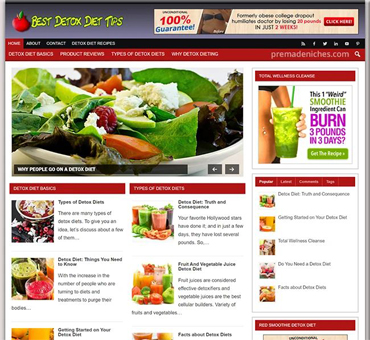


Building Affiliate Websites That Can Become Profitable
An affiliate website recommends products or services and earns a commission when visitors complete a qualifying action through tracked links. Building one profitably requires more than publishing reviews and adding buttons. You need a clear audience, a commercially useful topic, trustworthy content, technically sound pages, and a measurement system that helps you improve decisions over time.
The strongest sites are useful before they are promotional. They explain problems, compare realistic options, disclose commercial relationships, and guide readers toward suitable choices. Revenue then becomes a result of helping the right visitor at the right stage of a buying journey.
This guide explains how to choose a niche, validate demand, select affiliate programs, create content, attract visitors, improve conversions, and manage risk. It also includes a practical description of what a well-built affiliate website should provide, followed by frequently asked questions and a concise conclusion.
What an Affiliate Website Provides
A professional affiliate website acts as a decision-making resource. Its pages may include educational guides, product comparisons, buying advice, tutorials, troubleshooting articles, and carefully structured reviews. Each page should have a defined purpose. An informational article might teach a reader how to choose a product, while a comparison page may help someone decide between two alternatives.
The site owner does not usually manufacture, store, or ship the products. Instead, the owner publishes content and sends interested visitors to a merchant, marketplace, software provider, booking service, or other partner. If the visitor makes a purchase or completes another approved action, the partner may pay a commission according to its terms.

A credible site makes this relationship visible. Place a clear affiliate disclosure where readers can notice it, not only on a remote legal page. Explain that links may earn a commission without implying that every recommendation is universally best. Honest disclosure protects reader trust and supports responsible publishing.
The website should also offer practical value independent of a transaction. Include selection criteria, limitations, compatibility details, alternatives, maintenance considerations, and warnings about situations where a product may not fit. This approach reduces shallow promotional content and gives visitors a reason to return.
Choose a Niche With Commercial Potential
A niche is a focused subject area serving a recognizable group of people. Good choices usually combine genuine audience interest, accessible products, recurring questions, and a realistic opportunity to compete. Avoid choosing solely because a category has high commissions. A lucrative program is unhelpful if you cannot reach relevant visitors or produce credible guidance.
Start by listing problems you understand or can research responsibly. Examples might include home office equipment, outdoor cooking, language-learning tools, personal finance software, craft supplies, or business services. Then narrow the audience and use case. “Equipment” is broad; “quiet equipment for apartment-based creators” gives you clearer content decisions.
Validate the Audience
Study the questions people ask, the alternatives they compare, and the reasons they hesitate before buying. Search results, community discussions, retailer categories, product documentation, and public reviews can reveal recurring concerns. Look for evidence of several intent types: learning, comparing, selecting, using, and replacing.

Commercial potential does not mean forcing every article toward a sale. A healthy topic includes informational pages that attract visitors and commercial pages that help them choose. Map the relationship between them before writing. For instance, a guide about choosing a microphone can link naturally to comparisons of microphones suited to different rooms.
Consider whether the niche changes quickly. Technology and subscription software may require frequent updates, whereas durable household tools may remain relevant longer. Neither is automatically superior. Choose the maintenance burden you can manage honestly.
Build a Focused Website Structure
A simple structure helps both readers and publishers. Organize content into a few logical categories, such as beginner education, comparisons, reviews, tutorials, and maintenance. Use descriptive navigation labels rather than clever names that hide the subject.
Create cornerstone pages that answer broad questions, then support them with focused articles. A cornerstone guide can explain the buying framework; supporting pages can address materials, features, use cases, and alternatives. Link between related pages using natural, descriptive anchor text. Internal links should help a reader continue researching, not merely increase the number of links.
Give every important page one primary purpose. A review should explain who the product suits, what it does well, where it falls short, and what alternatives deserve attention. A comparison should use consistent criteria for each option. A tutorial should prioritize accurate instructions rather than interrupting every paragraph with offers.
Your website also needs basic trust pages. Include an About page describing the publication’s purpose, a contact method, privacy information appropriate to your jurisdiction and tools, terms where needed, and an affiliate disclosure. These pages cannot replace honest content, but they clarify who operates the site and how it functions.
Select Affiliate Programs Carefully
Programs differ in commission structure, approval requirements, tracking periods, payment rules, product quality, and compliance obligations. Read the current terms before joining. Do not assume a prominent brand offers the best arrangement or that a high commission will remain unchanged.
Assess whether the merchant serves your audience well. Consider shipping regions, returns, customer support, pricing transparency, reputation, and the consistency of its landing pages. Sending a visitor to a poor experience may produce a short-term commission while damaging your credibility and future conversions.
Use multiple suitable partners when it improves reader choice, but avoid presenting an overwhelming collection of links. A smaller set of relevant options is easier to explain and maintain. For software or services, verify whether free trials, recurring commissions, renewals, and cancellation policies are described accurately. If the program prohibits certain promotional methods, respect those restrictions.
Track links in an organized way. Use labels that identify the article, product, and placement, while following the program’s rules. Review destination links regularly because products are discontinued, pages move, and offers change. Broken or outdated links create frustration and can make an otherwise useful site look neglected.
Create Content That Earns Trust
Content quality is the central asset of an affiliate website. Begin with the visitor’s question, not the commission. Explain what matters, define unfamiliar terms, and separate confirmed information from judgment. If you cannot verify a specification or policy, say so and direct readers to the relevant manufacturer or provider documentation.
A useful review should cover intended audience, principal functions, setup or use, strengths, weaknesses, compatibility, ongoing costs, and meaningful alternatives. Avoid pretending to have personally tested a product unless you actually have. You can still provide valuable analysis using clearly identified documentation, observed information, and transparent evaluation criteria.
Comparisons deserve special care. Choose criteria before writing, apply them consistently, and explain tradeoffs. One product may be cheaper and easier for beginners, while another may offer greater flexibility for experienced users. “Best” should always mean best for a stated situation, not best for everyone.
Match Content to Buying Intent
Visitors at different stages need different pages. Someone discovering a problem needs an educational explanation. Someone who has defined requirements may want a shortlist. Someone comparing two models needs distinctions, not a generic overview. Someone ready to purchase needs current pricing context, availability guidance, and confidence that the recommendation fits.
Build content clusters around these stages. Link from educational pages to comparisons only when the connection is useful. On commercial pages, provide enough explanation that a reader can make an informed decision without visiting several unrelated pages.
Refresh pages when important facts change. Recheck links, prices, compatibility, features, screenshots, and program conditions. Add a visible review date only when you can maintain it honestly. A date alone does not prove freshness; accurate revisions do.
Design Pages for Clear Decisions
Good design reduces uncertainty. Put the main answer near the beginning, then explain the reasoning. Use headings, tables, bullets, captions, and short paragraphs to make comparisons scannable. A table should clarify meaningful differences, not repeat marketing language.
Place calls to action after relevant evidence. A button labeled “Check current details” may be more accurate than an exaggerated claim about savings or superiority. Describe what happens after a click when that information helps, such as opening a merchant page or beginning a trial.

Do not bury limitations below several promotional sections. Readers often trust a recommendation more when its boundaries are explicit. State who should avoid the option, what additional purchases may be necessary, and which competing choice may be better under different conditions.
Accessibility and performance matter because a difficult page loses readers before they evaluate an offer. Use readable contrast, meaningful alternative text, logical heading levels, keyboard-friendly controls, and mobile layouts. Compress images and avoid unnecessary scripts. A fast, understandable page supports both user satisfaction and commercial outcomes without relying on manipulative design.
Attract Relevant Visitors
Search can provide durable traffic, but it is not the only channel. A focused newsletter, community participation, video demonstrations, social posts, partnerships, and direct referrals may all contribute. Choose channels that match your audience and content strengths rather than trying to appear everywhere.
For search-focused publishing, start with questions where your site can provide a genuinely better answer. Analyze competing pages for missing details, unclear comparisons, weak organization, or outdated information. Do not copy their structure mechanically. Develop a more useful angle based on the visitor’s actual decision.
Promote content responsibly. Community platforms often discourage direct promotion, so contribute helpful explanations and link only when allowed and relevant. Email subscribers should receive a clear value proposition and an easy way to unsubscribe. Paid promotion requires careful tracking and budget discipline; a commission does not automatically justify an advertising expense.
Traffic quality matters more than raw volume. A thousand visitors with no buying relevance may be less valuable than a small group actively comparing suitable solutions. Measure whether visitors engage with the page, continue to useful content, click appropriate links, and complete approved actions.
Measure and Improve Performance
Use analytics that respect applicable privacy requirements and provide meaningful information. Monitor visits, engagement patterns, outbound clicks, conversion events when available, revenue, and content maintenance status. Interpret numbers cautiously. A low click rate may reflect weak placement, but it may also mean the page is answering the question so completely that no purchase is needed.
Calculate performance by page and topic, not only across the whole website. One article may attract broad awareness while another produces most commercial value. Compare similar pages and change one important element at a time when possible. Test headings, summaries, comparison layouts, calls to action, or link placement without turning the experience into an experiment that obscures essential information.
Review earnings against effort. A page with modest traffic might deserve updating if visitors have strong intent. Another page may attract attention but require extensive research without a reasonable path to revenue. Prioritize improvements that increase usefulness, accuracy, and qualified decision support together.

Maintain a simple editorial record containing target audience, intent, sources or references checked, affiliate partners, last review, and planned updates. This makes a growing site easier to manage and reduces accidental inconsistency.
Avoid Common Risks
Affiliate publishing carries legal, financial, technical, and reputational risks. Disclose commercial relationships in language readers can understand, and check the rules applicable to your location, audience, and partners. Do not claim guaranteed results, invent testing, hide material limitations, or use fabricated testimonials.
Protect the site with secure administration, strong unique passwords, reliable updates, backups, and limited access. Keep plugins and tracking tools to those you genuinely need. Review privacy implications before adding analytics, advertising, email, or embedded services.
Do not build the business around one merchant, one traffic source, or one product. Programs can change terms, reduce commissions, close, or remove products. Search visibility can fluctuate, and audience preferences can shift. Diversification should remain relevant: several trustworthy options and multiple useful content channels are safer than random expansion.
Be cautious with regulated subjects. Financial, medical, legal, and safety-related recommendations require especially careful wording and appropriate professional or authoritative guidance. An affiliate relationship never justifies overstating evidence or encouraging risky decisions.
A Practical Launch Plan
Begin with a narrow audience and a written description of its main problem. List potential products and services, then evaluate quality, availability, commission terms, and relevance. Next, design a site map containing foundational guides, comparison pages, reviews, and supporting tutorials.
Publish a small set of comprehensive pages before expanding widely. Make each article useful on its own, connect related pages, and establish disclosures and trust information from the beginning. Set up basic analytics and a link-management process, but do not let tools replace editorial judgment.
After launch, observe questions visitors still have. Update pages based on changed facts and recurring confusion. Add content only when it supports the audience’s decisions or fills a genuine gap. Reinvest early revenue into research, editing, accessibility, performance, and reliable maintenance rather than superficial volume.
Frequently Asked Questions
How much does it cost to build an affiliate website?
Costs vary according to domain registration, hosting, design, software, content creation, research, and promotion. You can begin lean, but “low cost” does not mean effortless. Your time is a real investment, and some topics require specialist review or paid tools. Establish a budget that you can sustain without depending on immediate commissions.
How long does it take to earn money?
There is no dependable universal timeline. Results depend on topic competition, content quality, visitor intent, distribution, merchant terms, and consistent maintenance. Treat early months as a validation period. Look for evidence that the audience is engaging and clicking appropriately, rather than assuming revenue must appear immediately.
Do I need to own the products?
No. You can create useful analysis from reliable documentation, public information, demonstrations, and transparent comparisons. However, do not imply firsthand testing when none occurred. If personal experience is important to a recommendation, explain the limitation and use cautious language.
Can one website promote different niches?
It can, but unrelated subjects often weaken clarity and make maintenance difficult. A site can cover multiple categories when they serve a coherent audience or problem. Otherwise, separate properties or clearly bounded sections may provide a better experience.
Are product reviews enough?
Usually not. Reviews work best alongside educational guides, comparisons, setup instructions, alternatives, and maintenance content. This broader structure serves visitors at different stages and gives you more opportunities to answer real questions without repeating promotional claims.
Should I use many affiliate links?
Use enough to make relevant choices clear, but not so many that the page becomes distracting or untrustworthy. Link where a reader can reasonably act on the information. Repetition rarely improves the decision and may reduce confidence.
What if an affiliate program closes?
Replace links with an appropriate alternative, update explanations, and remove claims that no longer apply. Maintain a list of partner dependencies so you can respond quickly. A strong site remains valuable even when a particular merchant disappears because its guidance is not built around one link.
Conclusion
A profitable affiliate website is a focused publishing business, not a collection of advertisements. Choose an audience whose problems you can understand, select trustworthy partners, create accurate content, and design pages that make decisions easier. Disclose relationships, explain limitations, maintain links, protect the site, and measure qualified actions rather than vanity traffic.
The persuasive advantage comes from credibility. When readers receive clear guidance even before they buy, they are more likely to trust relevant recommendations when a purchase becomes appropriate. Build patiently, improve based on evidence, and diversify without sacrificing relevance. Over time, a useful affiliate website can become a durable asset that serves visitors and generates ethical commercial value.
WP AI Autoblogging Beginners Guide
Best WordPress AI Autoblogging Plugin

WP Learning 101
Free YouTube Backlink Generator Software

Latest Product