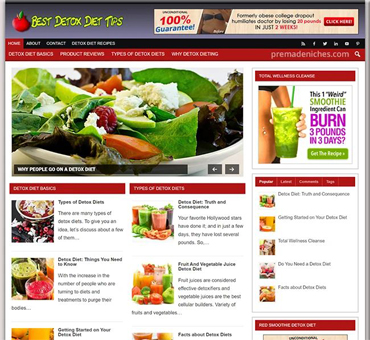


Affiliate Website Content Funnel: From Search to Sale
by Chad Portnova in Affiliate Websites & Monetization onSearch visitors rarely become affiliate customers after reading one page. They usually move through a sequence: they recognize a problem, investigate options, compare alternatives, seek reassurance, and finally click a merchant link with enough confidence to buy. An effective affiliate website content funnel deliberately supports each stage. It connects search intent, useful information, internal links, email or retargeting opportunities where appropriate, and carefully placed calls to action.
The goal is not to push every visitor toward a sale immediately. It is to give each visitor the next answer they need. When content matches that need, commercial recommendations feel relevant rather than intrusive. The result is a stronger user experience and a more dependable path from organic search to revenue.
How the content funnel works
A content funnel is a planned journey from initial discovery to conversion. For an affiliate website, it commonly has four stages: awareness, consideration, decision, and post-click evaluation. These stages are not rigid. A visitor may enter through a comparison page and convert quickly, while another may need several educational articles before becoming ready.
Awareness: attract the right searcher
Awareness content answers broad questions and identifies problems. Searchers may use phrases such as “how to improve home Wi-Fi,” “what causes back pain while working,” or “ways to organize digital photos.” At this point, many do not know which product or service they need.
Create helpful guides, explanations, checklists, glossaries, and troubleshooting articles. Avoid forcing affiliate links into every paragraph. Instead, explain the problem accurately, define relevant criteria, and show possible approaches. Link naturally to deeper articles that address specific solutions.

The checkpoint is simple: can a reader understand the problem and identify a sensible next question? Review analytics and search queries for evidence. If visitors leave quickly or internal links receive little engagement, clarify the introduction, add examples, or improve navigation. Do not respond by adding more sales language.
Consideration: educate and narrow choices
Consideration content helps readers evaluate categories, features, methods, or brands. Examples include “mechanical versus membrane keyboards,” “cloud storage versus external drives,” or “what to look for in a standing desk.” These pages can mention products, but their primary job is to explain tradeoffs.
Use decision criteria that matter to the audience: compatibility, durability, learning curve, maintenance, privacy, total cost, support, and limitations. Explain who benefits from each option and who should avoid it. This balanced approach increases credibility because readers receive useful guidance even when the recommended choice is not the most expensive option.

The checkpoint is movement into commercial pages. Track clicks from educational articles to comparisons, buying guides, or merchant pages. If traffic remains isolated, add contextual links with descriptive anchor text and a short explanation of why the next page is relevant.
Decision: make selection easier
Decision-stage visitors often search for “best,” “review,” “versus,” “alternatives,” “discount,” or a specific model. They need concise evidence, clear comparisons, and practical purchasing information. A strong affiliate page states its audience, explains evaluation criteria, identifies limitations, and presents a reasonable recommendation.
Do not copy merchant descriptions. Add original synthesis: explain differences that affect actual use, distinguish essential features from attractive extras, and discuss setup, returns, subscriptions, compatibility, or recurring costs when relevant. If information changes frequently, show when the page was last reviewed and establish a process for updating it.
The checkpoint is qualified outbound activity, not clicks alone. Examine outbound click rate, merchant conversion feedback when available, and page engagement. Many clicks with poor earnings may indicate mismatched traffic, weak merchant fit, unclear expectations, or a recommendation that does not solve the visitor’s stated problem.
Map intent before creating content
A funnel begins with an intent map, not a list of keywords. Group queries according to the task behind them. Informational intent seeks understanding. Investigational intent compares possible solutions. Transactional intent signals readiness to act. Navigational intent seeks a known brand, product, or destination.
For each group, record the question, likely reader, stage, suitable format, and next step. A spreadsheet might contain columns for query theme, intent, content type, primary promise, supporting evidence, internal links, affiliate relationship, and update frequency. This prevents an affiliate site from publishing ten similar “best” articles while neglecting foundational education.
Search intent also includes context. “Running shoes” could indicate a beginner seeking advice, an athlete comparing models, or a shopper looking for a particular brand. Read existing results for clues, but do not imitate them mechanically. Look for the unanswered concern. Perhaps readers need help with sizing, replacement timing, terrain, or injury prevention. The strongest opportunity often lies in making an implicit question explicit.
Set a single primary action for every page. An awareness article might invite readers to a beginner’s guide. A comparison may point to a detailed review. A decision page may send qualified visitors to a merchant. Secondary actions can exist, but too many competing buttons create uncertainty.

Build the funnel architecture
A useful architecture has a clear hierarchy. Broad pillar pages explain the subject and link to focused cluster articles. Cluster articles answer narrower questions and link back to the pillar and forward to relevant comparisons. Commercial pages receive links from both supporting content and navigation, but they should not become disconnected sales islands.
Plan page roles
Assign every URL a role before publication. Useful roles include problem education, category explanation, comparison, individual review, alternative guide, buying guide, and post-purchase support. Each role should have a different promise. A review should investigate one product or service. A comparison should explain differences. An educational guide should teach without assuming a purchase.
Page roles reduce cannibalization. If two articles target nearly identical intent, combine them, distinguish their audiences, or give each a genuinely different angle. Thin variations can divide internal authority and confuse readers.
Design internal pathways
Place links where they answer an obvious next question. After explaining a feature, link to a guide that defines it. After discussing categories, link to comparisons. Near a recommendation, link to a review or a page explaining alternatives. Use anchor text that describes the destination, such as “compare privacy-focused storage services,” rather than vague phrases like “click here.”
A page should offer escape routes for different readiness levels. A beginner can return to fundamentals; an informed visitor can proceed to a recommendation. This makes the funnel flexible instead of forcing everyone through identical steps.
Use calls to action responsibly
A persuasive call to action names the benefit and sets expectations. “See current availability and included features” is clearer than “Buy now” when the visitor still needs verification. Keep affiliate disclosures conspicuous and close to relevant links. Explain that commissions may result without suggesting that compensation determines every recommendation.
Avoid false urgency, unsupported savings claims, fabricated scarcity, and buttons that obscure the destination. Trust is a conversion asset; once damaged, it is difficult to restore.
Create content that earns confidence
Affiliate content succeeds when it reduces decision risk. Readers want to know whether a recommendation fits their circumstances, what could go wrong, and what happens after clicking.

Start with a direct answer. State the central recommendation or finding early, then explain how you reached it. Use headings, tables, bullets, and short paragraphs to make evidence easy to inspect. Clarity does not mean oversimplification. Define technical terms, distinguish facts from judgments, and acknowledge uncertainty where specifications, availability, or policies may change.
Discuss limitations deliberately. A product may be excellent for beginners but unsuitable for professionals. A low price may involve fewer features or a recurring fee. A service may offer convenience while requiring trust in a provider. Such caveats are not obstacles to conversion; they help the right buyer proceed with realistic expectations.
Where possible, describe an evaluation framework. Explain the relative importance of performance, reliability, compatibility, accessibility, maintenance, privacy, and total ownership cost. Do not pretend that one criterion decides every purchase. A recommendation is more useful when readers can apply the framework to their own priorities.
Images, diagrams, and comparison tables should clarify decisions rather than decorate the page. Label screenshots accurately, use descriptive alternative text, and ensure tables remain usable on small screens. Never imply hands-on testing, laboratory measurement, or personal ownership unless that evidence genuinely exists.
Connect SEO with conversion
Search visibility brings opportunity, but rankings do not guarantee useful traffic. Align the title and introduction with the query’s real purpose. If a page promises a comparison, deliver a comparison immediately. If it promises instructions, present actionable steps rather than a long preamble.
Use related terminology naturally, including category names, features, problems, and alternative solutions. Avoid repeating a keyword unnaturally. Search engines and readers both benefit from complete coverage: definitions, criteria, examples, limitations, and next actions.
Optimize snippets honestly. A compelling title can emphasize the audience and benefit, while a meta description can preview the decision the page helps solve. Do not promise current prices, rankings, or availability unless you can maintain them. Ensure the destination matches the searcher’s expectation; misleading clicks often produce poor engagement and weak commercial outcomes.
Measure the entire path. Useful indicators include impressions, qualified visits, engaged reading, scroll depth, internal-link clicks, outbound clicks, email signups, assisted conversions, and commission revenue. Interpret metrics together. A low outbound rate on an awareness page may be normal, while the same rate on a product comparison may signal a problem.

Improve pages through controlled iteration
Optimization should begin with diagnosis. If impressions are low, investigate topic selection, search demand, technical accessibility, and whether the page addresses a distinct intent. If impressions are healthy but clicks are weak, review the title and snippet. If visitors arrive but leave quickly, examine the opening, page speed, clarity, and content-match. If outbound clicks are strong but sales are weak, inspect merchant alignment and visitor expectations.
Change one meaningful element at a time when practical. Test a clearer recommendation, a revised comparison table, a more prominent disclosure, or a better internal link. Record the change and observe enough traffic for a useful signal, recognizing that seasonality and merchant changes can distort results.
Refresh content according to risk and volatility. Prices, availability, software features, regulations, and merchant policies can change quickly. Evergreen explanations may need less frequent review, but links and claims still require attention. Remove discontinued products, correct outdated specifications, and preserve the page’s original search intent.
Do not automatically delete pages with low traffic. Some pages assist conversions elsewhere, answer valuable niche questions, or support topical structure. Consider consolidation, improved targeting, stronger internal links, or a different format before removal.
Manage disclosures, compliance, and trust
Affiliate websites should clearly disclose material relationships. Follow applicable advertising, consumer-protection, privacy, accessibility, and platform requirements in the jurisdictions where the audience and business operate. Requirements differ, so obtain qualified legal guidance for specific circumstances rather than relying on generic templates.
Separate editorial judgment from merchant messaging. Explain how recommendations are formed, identify important conflicts, and avoid claims that cannot be supported. If a link leads to a merchant, make that destination apparent. Do not disguise commercial links as independent resources.
Privacy deserves careful attention when using analytics, email forms, cookies, or retargeting. Collect only what is needed, explain the purpose, and provide choices required by applicable rules. Ethical restraint supports long-term credibility and protects readers from unnecessary tracking.
FAQ
How many funnel stages should an affiliate website use?
Four stages provide a practical starting point: awareness, consideration, decision, and post-click or retention support. Some businesses combine the first two, while others add loyalty or repeat-purchase stages. The exact number matters less than assigning each page a clear reader need and next action.
Should every article contain affiliate links?
No. Add a link when it genuinely helps the reader take the next step. Educational pages may need none, or they may link to a relevant comparison without promoting a particular merchant. Excessive links distract readers, weaken trust, and can make a page appear commercially motivated.
What should a product comparison include?
Explain who the comparison serves, the criteria used, meaningful differences, limitations, compatibility, ongoing costs, and the circumstances favoring each option. Include a concise conclusion, but do not hide important caveats below the links. Make clear whether information comes from specifications, policies, public documentation, or another stated basis.
Why do pages receive clicks but produce few commissions?
Possible causes include low buying intent, a mismatch between recommendation and audience, weak merchant conversion, unexpected pricing, confusing handoff, or inaccurate expectations. Review outbound placement, destination relevance, device behavior, and available affiliate reports. Avoid assuming that more buttons will solve the problem.
How can a small site compete with larger publishers?
Focus on a defined audience and underserved questions. Provide clearer explanations, tighter topical coverage, transparent limitations, and better pathways between pages. Depth and usefulness can create differentiation even when a site cannot cover every category. Consistent updating is often more valuable than publishing many loosely related articles.
Should a funnel use email marketing?
Email can help when readers want ongoing guidance, reminders, or updates. Offer a clear reason to subscribe and obtain consent appropriately. Use messages to answer continuing questions rather than sending constant promotions. A useful sequence might explain fundamentals, present evaluation criteria, and then offer a relevant buying guide.
Conclusion
An affiliate content funnel works when each page performs a defined job. Awareness content attracts people with genuine problems. Consideration content explains options and tradeoffs. Decision content makes selection easier without hiding limitations. Internal links connect these stages, while honest disclosures and accurate expectations protect trust.
Begin by mapping intent, assigning page roles, and choosing one primary action per URL. Build educational foundations before expanding commercial coverage. Measure movement between stages, diagnose the weakest point, and improve deliberately. The most persuasive affiliate website is not the one that asks for a purchase most often. It is the one that answers the right question at the right moment, gives readers sound reasons to act, and makes the final decision feel informed rather than pressured.
WP AI Autoblogging Beginners Guide

Best WordPress AI Autoblogging Plugin

WP Learning 101

Free YouTube Backlink Generator Software

Latest Product