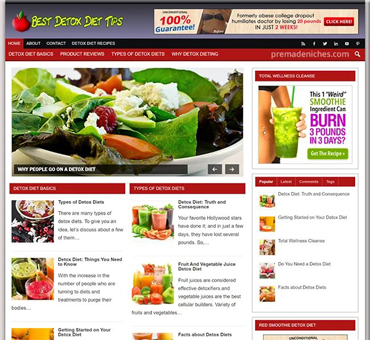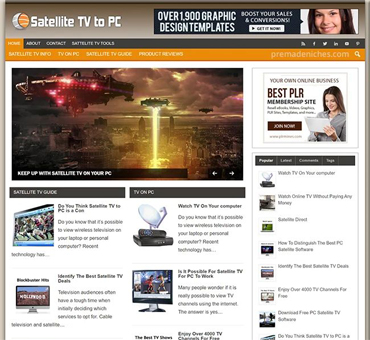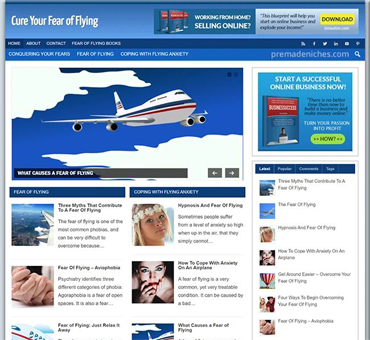


Premade Niche Websites: Build a Faster Path to Online Growth
Launching a website often sounds simple until the real work begins. You need a focused idea, a memorable domain, reliable hosting, attractive design, useful content, search engine optimization, clear calls to action, and a plan for turning visitors into customers. Premade niche websites bring these essential elements together in a ready-to-use package, allowing entrepreneurs, creators, affiliates, local businesses, and digital marketers to begin with a stronger foundation.
A premade niche website is a professionally structured site created for a specific subject, audience, or commercial category. Examples may include home improvement, fitness, pets, personal finance, travel, gardening, technology, hobbies, education, or local services. Instead of starting with an empty dashboard, you receive a functioning framework designed around the expectations and questions of a defined market. This does not eliminate the need for strategy, but it removes many time-consuming technical and creative obstacles.
The greatest advantage is momentum. You can spend less time choosing colors, arranging pages, configuring plugins, and writing basic placeholder copy, and more time understanding your audience, publishing valuable updates, promoting your brand, and improving conversions. A well-built premade site provides direction without preventing customization. It is a launchpad, not a finished business requiring no effort.

What You Receive
A quality premade niche website commonly includes a domain-ready structure, responsive design, navigation menus, core pages, visual branding, category organization, and starter content. Depending on the package, it may also include contact forms, legal page templates, social media links, email capture areas, analytics integration, search engine settings, and monetization placements.
The exact contents should always be reviewed before purchase. Some providers deliver only a visual theme, while others provide a complete installation with written articles, images, product tables, comparison pages, and technical support. The difference matters. A polished design may look impressive, but useful content and logical architecture are what help visitors find information and take action.
A Focused Foundation
Niche specialization gives your website a clear identity. When every page serves a related audience, visitors understand the purpose quickly. Search engines can also interpret the site more easily when its subjects are organized consistently. A focused website can build topical authority by answering connected questions rather than publishing unrelated material.
For example, a general site about everything outdoors may struggle to develop a recognizable audience. A site dedicated to beginner camping gear can publish guides about tents, sleeping bags, cooking equipment, safety, and trip planning. Each article supports the others, creating a coherent experience. A premade niche website can provide the initial categories and page relationships needed for this type of growth.
Professional Presentation
First impressions influence trust. Visitors often judge reliability through layout, readability, loading speed, mobile compatibility, and visual consistency. A premade website created by experienced designers can offer a more professional presentation than an improvised site assembled under pressure.
Responsive layouts are particularly important because many people browse from phones and tablets. Buttons should be easy to tap, text should remain readable, and images should fit different screens. Clean navigation reduces frustration and helps visitors move from an informational article to a product page, inquiry form, or subscription opportunity.
Why Choose a Premade Website?
The most persuasive reason is efficiency. Building from scratch can require weeks or months, especially when you are learning design, hosting, content management, and optimization simultaneously. A premade website shortens the setup stage so your attention can move toward activities that directly support growth.
Cost control is another benefit. Hiring separate designers, developers, writers, and search specialists may produce excellent results, but the combined expense can be substantial. A premade package offers a predictable starting investment. You can then allocate additional budget to content, advertising, branding, or customer research according to actual performance.
Premade sites also reduce decision fatigue. New owners frequently become stuck comparing themes, plugins, fonts, page builders, and hosting settings. Too many choices can delay publication. A prepared structure gives you a practical default. You can refine it later after collecting feedback and performance data.
This approach is valuable for people testing several business concepts. An entrepreneur can launch a focused site, measure demand, and learn which topics attract attention before investing in a larger custom platform. Agencies may also use premade websites as efficient starting points for clients whose requirements are straightforward.
Selecting the Right Niche
A website cannot compensate for a weak market or unclear audience. Before choosing a premade package, examine whether the niche has meaningful demand, reachable visitors, and realistic monetization opportunities. Consider what people search for, what problems they want solved, and whether businesses already spend money to reach them.
Competition deserves careful interpretation. A crowded niche may indicate strong demand, but competing directly with established authorities can be difficult. Look for a specific angle, such as beginner guidance, budget solutions, regional information, professional equipment, sustainable options, or advice for a particular demographic. Narrow positioning can make your content more relevant and your marketing more efficient.
Check Commercial Potential
Potential revenue models include affiliate recommendations, display advertising, digital products, subscriptions, lead generation, sponsored content, consulting, bookings, and physical products. The best model depends on audience intent. Someone searching for “how to plant tomatoes” may need education first, while someone searching for “best greenhouse kits” may be closer to purchasing.

Review the website’s existing monetization placements, but do not assume every placement is effective. A good site makes recommendations naturally and transparently. Excessive advertisements can damage trust, slow loading times, and distract from useful content. Build revenue around genuine assistance rather than forcing every visitor toward a sale.
Assess Content Quality
Starter articles should be accurate, readable, original, and aligned with the audience. Check whether claims are supported, whether information is current, and whether pages provide practical value. Generic text may help demonstrate structure, but it should not become the permanent foundation of your brand.
Look for opportunities to add first-hand insight, examples, comparisons, illustrations, calculators, checklists, or expert commentary. These additions can distinguish your site from competitors using identical templates. A premade structure is most powerful when your knowledge and perspective make it distinctive.
Customization and Branding
Customization transforms a prepared website into a recognizable business. Begin with the name, logo, color palette, typography, and introduction. The aim is not to change everything immediately. Make deliberate updates that communicate who you serve and what promise you offer.
Rewrite the homepage headline so it explains the benefit clearly. Replace generic calls to action with specific invitations, such as downloading a checklist, comparing solutions, booking a consultation, or joining a weekly newsletter. Update author biographies, contact details, social profiles, and legal information so visitors know that a real organization stands behind the site.
Images should support the subject and reflect your intended audience. Use properly licensed photographs, original graphics, or trustworthy stock resources. Compress large files without making them blurry, and add descriptive alternative text to improve accessibility and provide context when images cannot load.
Content customization should follow a plan. Create a list of major audience questions, organize them by priority, and publish pages that guide readers from basic understanding to confident action. Internal links should connect related articles, while prominent pages should remain easy to reach through menus and contextual links.

Search Visibility and Performance
A premade website may include basic search optimization, but rankings require ongoing attention. Start by checking page titles, descriptions, headings, URLs, image names, and internal links. Each important page should have a clear topic and a useful answer, not merely a collection of keywords.
Research search phrases according to intent. Informational queries can attract people seeking explanations, commercial queries can attract comparisons, and transactional queries can attract buyers. Create content for each stage while maintaining a consistent subject focus. Avoid publishing thin pages simply to increase the page count.
Technical performance affects both user experience and visibility. Test loading speed on mobile connections, remove unnecessary extensions, compress media, enable secure connections, and keep software updated. Broken links, confusing redirects, and inaccessible forms can quietly reduce trust and conversions.
Measurement turns assumptions into decisions. Connect analytics and search monitoring tools, then track traffic sources, popular pages, engagement, inquiries, sales, and email subscriptions. Review results regularly. If an article attracts visitors but produces no action, improve its calls to action or link it to a more relevant offer. If a page receives impressions but few clicks, test its title and description.
Building Authority and Trust
A niche website grows through consistent usefulness. Publish on a realistic schedule rather than promising daily updates and disappearing after two weeks. Even one thoroughly researched article each week can create a valuable resource over time.
Trust signals should appear throughout the site. Provide clear contact information, transparent disclosures, accurate author details, privacy information, refund policies where relevant, and citations for important claims. If you earn commissions from recommendations, explain that relationship plainly. Honest disclosure protects credibility and helps readers evaluate advice appropriately.
Community interaction can strengthen the brand. Invite questions, respond thoughtfully, gather testimonials, and observe recurring concerns. Customer feedback can reveal content opportunities that keyword tools miss. It can also help you improve products, services, and navigation.
Promotion should extend beyond search engines. Share useful content through newsletters, professional networks, relevant communities, short videos, podcasts, partnerships, and social platforms where your audience is active. Avoid treating every channel as equally important. Choose a few that match your resources and measure their results.
Maintenance and Support
Ownership includes ongoing maintenance. Update the content management system, themes, extensions, and security tools. Create regular backups and confirm that forms, payment links, menus, and tracking codes continue to work. A site that looked excellent at launch can become vulnerable or confusing when neglected.
Ask the provider what support is included. Important questions include response times, installation assistance, revisions, transfer rights, licensing terms, hosting requirements, and whether future updates cost extra. Determine who owns the domain, written content, images, design files, and customer data. Clear ownership prevents unpleasant surprises if you later change providers.
Support quality can be as valuable as the initial design. Beginners may need guidance connecting a domain, editing templates, configuring email, or fixing a display problem. Responsive help protects momentum and lets you focus on the market rather than troubleshooting alone.
FAQ
Is a premade niche website suitable for beginners?
Yes. It provides a guided starting point and reduces technical complexity. Beginners should still learn basic editing, content planning, security, analytics, and legal responsibilities. Treat the site as a practical learning environment, and ask the provider for documentation or support when necessary.
Can I change the design later?
Usually, yes. Most platforms allow changes to colors, fonts, layouts, images, menus, and page sections. Major alterations may require technical knowledge, so save backups before making changes. Customize gradually and test every update on mobile devices.
Is the content exclusive?
That depends on the provider. Some packages include original content, while others use templates or material sold to multiple buyers. Ask about exclusivity, licensing, duplication, and permitted editing before purchasing. Even exclusive starter content should be reviewed and expanded with your own expertise.
Will the website rank immediately?
No. A prepared structure may support optimization, but rankings depend on competition, content quality, authority, technical performance, and time. Publish consistently, earn relevant references, improve user experience, and monitor results rather than expecting instant traffic.
Can I monetize the site?
Most niche websites can support one or more revenue models, provided the audience and subject are suitable. Begin with an offer that genuinely fits visitor needs. Follow advertising, affiliate, privacy, tax, and disclosure rules applicable to your location and industry.
Do I need hosting?
Many packages require separate hosting, while some include temporary or ongoing hosting. Confirm storage, speed, backups, security, renewal prices, email functionality, and migration options. Reliable hosting is essential for a professional experience.
How quickly can I launch?
Technical launch may take a day or a few weeks, depending on preparation and customization. A credible business launch usually takes longer because you should check content, branding, forms, legal pages, analytics, and mobile presentation before promotion.
What should I do first after delivery?
Verify ownership and create a backup. Then update branding, contact information, passwords, legal pages, homepage messaging, and essential calls to action. Review every starter page for accuracy before inviting visitors. Connect analytics and establish a short publishing plan.
Conclusion
Premade niche websites offer a practical, efficient route into online business. They combine focused positioning, professional presentation, useful structure, and reduced setup time, helping you move from idea to execution with greater confidence. Their value is not that they create success automatically. Their value is that they give you a strong foundation on which focused effort can produce results sooner.
Choose a niche with genuine demand, inspect the package carefully, confirm ownership and support, and customize the experience around a clearly defined audience. Improve the content, protect the site, measure behavior, and promote consistently. With thoughtful management, a premade website can evolve from a ready-made framework into a trusted resource, lead generator, publishing platform, or profitable digital asset.
The strongest investment is not simply the website itself. It is the time saved, the clarity gained, and the opportunity to begin serving a real audience without waiting for every technical detail to be perfect. Select strategically, launch professionally, and keep improving. That combination turns convenience into lasting business momentum.
WP AI Autoblogging Beginners Guide

Best WordPress AI Autoblogging Plugin

WP Learning 101

Free YouTube Backlink Generator Software

Latest Product