

Affiliate Websites & Monetization: Affiliate Websites: Proven Monetization Strategies
by in Affiliate Websites & Monetization onAffiliate Websites & Monetization: Affiliate Websites & Monetization: Build an Affiliate Website That Earns Trust
Affiliate websites are focused publishing businesses that recommend useful products or services and earn a commission when readers complete qualifying purchases through tracked links. Done responsibly, this model combines helpful education, strategic content, and measurable marketing. It is not a shortcut to effortless income. A successful site requires research, consistent publishing, technical maintenance, and a genuine commitment to helping visitors make better decisions.
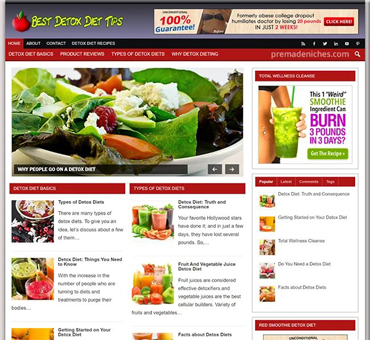
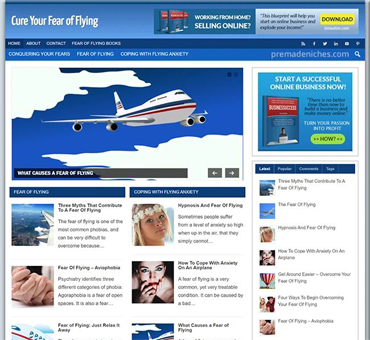
The strongest affiliate websites begin with a clear audience and a specific problem. Instead of trying to promote everything, choose a focused subject such as home coffee equipment, hiking safety, project management software, or sustainable travel gear. A defined topic makes it easier to understand reader needs, compare relevant offers, develop authority, and create content that search engines can categorize. It also helps visitors recognize your site as a dependable specialist rather than a collection of unrelated advertisements.
Your website can include reviews, comparisons, tutorials, buying guides, checklists, case studies, and answers to common questions. Each format serves a different stage of the customer journey. Informational articles attract people who are exploring a problem. Comparisons support shoppers choosing between alternatives. Reviews address practical concerns before purchase. Tutorials help customers use products successfully, which can increase trust and encourage future visits.
Affiliate monetization works when the recommendation is more valuable than the link itself. Readers should understand what a product does, who it suits, where it may disappoint, and how it compares with competing choices. Clear evidence, balanced judgment, and transparent disclosures turn commercial content into a useful resource. Your goal is not merely to generate clicks; it is to create confident decisions and long term relationships.


Choosing a Profitable Niche
Evaluate demand and commercial intent
A promising niche has a recognizable audience, recurring questions, available products, and enough commercial activity to support commissions. Begin by listing problems people regularly search for. Then examine whether those problems connect naturally to products, subscriptions, services, or software. A topic can receive enormous traffic yet produce weak revenue if visitors seek only free information. Conversely, a smaller audience with strong purchase intent may be considerably more valuable.
Study search results, community discussions, retailer categories, and competitor websites. Look for repeated questions that existing pages answer poorly. These gaps may involve missing beginner explanations, outdated comparisons, inaccessible language, or insufficient real world testing. A niche becomes attractive when you can contribute a distinctive advantage, such as professional experience, original experiments, specialist knowledge, or unusually clear instruction.
Consider commission structure alongside demand. Physical products may offer modest percentages but broad appeal. Digital products and software can provide higher commissions, recurring payments, or generous customer lifetimes. However, high payouts often come with stronger competition, stricter program rules, or higher refund rates. Assess earnings realistically by examining product price, conversion likelihood, commission percentage, cookie duration, and payment reliability.
Define the ideal reader
Create a practical audience profile. Identify the reader’s skill level, budget, goals, frustrations, and preferred way of learning. A beginner may need plain definitions, setup guidance, and affordable recommendations. An experienced buyer may value performance measurements, compatibility details, and advanced tradeoffs. Writing for a specific person improves relevance and makes editorial choices easier.
Avoid choosing a niche solely because someone promises exceptional earnings. Sustainable monetization depends on your ability to publish useful material repeatedly. Select a subject you can study deeply and discuss honestly. Enthusiasm helps, but evidence matters more. If a popular product performs poorly, credibility requires saying so, even when a negative assessment reduces immediate commission potential.
Designing the Website and Content System
A professional affiliate website needs a dependable foundation. Choose a memorable domain, reliable hosting, a fast mobile responsive design, and a simple navigation structure. Organize content into logical categories, use readable typography, and remove intrusive popups that prevent visitors from accessing information. Technical polish does not replace excellent writing, but poor usability can undermine even the most accurate recommendation.
Build cornerstone pages around major topics, then connect supporting articles through internal links. For example, a website about running shoes might publish a central guide to choosing footwear, supported by pages about road running, trail running, injury prevention, sizing, and maintenance. This structure helps readers explore naturally and helps search engines understand relationships among pages.
Every article should have a clear purpose. Before writing, state the reader’s question and the action you want the article to support. Research primary sources, manufacturer documentation, credible reviews, customer feedback, and relevant standards. Keep notes about publication dates, prices, specifications, and testing conditions because commercial information changes frequently.
Produce content with buying value
A useful review should explain methodology. State whether you personally used the product, tested a sample, examined documentation, or synthesized reliable user experiences. Describe the evaluation criteria, including durability, ease of use, performance, accessibility, support, and value. Avoid vague praise. Specific observations allow readers to judge whether your experience resembles their situation.
Comparison articles should not simply place products in a table. Explain meaningful differences and identify the best choice for distinct users. One option may be best for beginners, another for demanding workloads, and another for limited budgets. This approach respects reader diversity and prevents simplistic claims that one product is universally superior.
Buying guides should teach decision making. Explain essential features before presenting recommendations, distinguish necessary specifications from marketing language, and warn readers about compatibility issues. If prices fluctuate, describe relative cost rather than promising an exact figure. Include alternatives for readers with different budgets or priorities.

Balance search optimization and usefulness
Search optimization helps the right audience discover your work, but it should support, not control, editorial quality. Use descriptive titles, concise introductions, informative headings, natural keyword variations, helpful metadata, and meaningful internal links. Answer the central question early, then add depth for readers who need it. Avoid repeating phrases unnaturally or creating pages designed solely to capture search traffic.
Update important articles on a schedule. Check broken links, discontinued products, changed policies, new competitors, and inaccurate specifications. Add an update note when substantial revisions occur. Freshness is especially important for software, financial tools, technology, travel services, and any category affected by changing prices or regulations.
Selecting Affiliate Programs
Affiliate programs connect your website with merchants, networks, and tracking systems. Apply only to programs aligned with your audience and editorial standards. Read the operating agreement carefully. Pay attention to prohibited promotional methods, paid search restrictions, coupon rules, disclosure obligations, attribution windows, brand bidding policies, and payment thresholds.
Do not select an offer simply because its commission is high. Assess merchant reputation, product quality, conversion experience, customer service, refund policies, tracking reliability, and geographic availability. A poor merchant can damage your reputation and waste reader time. Recommend products you would feel comfortable explaining to a friend who trusted your judgment.
Diversify carefully. Dependence on one merchant, platform, or traffic source creates avoidable risk. A program can reduce commissions, close unexpectedly, change attribution, or remove a product. Build several relevant revenue paths, such as complementary merchants, recurring software, direct sponsorships, digital resources, or an email based business. Diversification should remain coherent; unrelated promotions can weaken audience trust.
Use tracking links responsibly. Label them clearly, test them regularly, and avoid excessive linking. A link should appear where it helps the reader take the next logical step. Add buttons after a useful explanation, not before it. If a reader needs more information, link to a detailed comparison rather than pushing immediately toward checkout.
Compliance, Ethics, and Reader Trust
Transparency is both an ethical obligation and a business advantage. Clearly disclose that your website may earn commissions from qualifying purchases. Place the disclosure where readers can notice it before interacting with affiliate links, and use straightforward language. A disclosure should not be hidden in a legal page or written so vaguely that visitors cannot understand the relationship.
Protect privacy and follow applicable laws, platform policies, and advertising requirements. Explain how cookies, analytics, email subscriptions, and personal data are handled. Use secure connections, minimize unnecessary data collection, and provide a clear contact method. Requirements vary by location, so obtain professional legal guidance when your business operates across jurisdictions.
Never invent testing, endorsements, discounts, scarcity, or performance claims. Do not copy merchant descriptions without adding original value. Distinguish firsthand experience from research, and identify uncertainty when evidence is limited. If you receive a free sample, sponsorship, or other benefit, explain that relationship where relevant. Honest limitations make positive conclusions more credible.
Trust also depends on accessibility. Use descriptive link text, meaningful image alternatives, adequate contrast, readable paragraphs, and keyboard friendly design. Avoid autoplay media and disruptive interstitials. An inclusive site serves more people and often communicates information more effectively to everyone.
Traffic and Audience Development
Organic search can provide durable traffic, but it takes time and consistent quality. Publish clusters of related content, earn legitimate mentions, and answer questions better than existing results. Do not buy questionable links or use automated content that offers no original insight. Search visibility is an asset built through relevance, reputation, and technical reliability.
Email is another valuable channel. Offer a genuinely useful resource, such as a buying checklist, maintenance calendar, template, or concise course. Obtain permission, set expectations, and send helpful messages rather than constant promotions. Segment subscribers by interests when possible. An email audience gives you a direct relationship that is less vulnerable to algorithm changes.
Social platforms can distribute expertise and reveal audience questions. Adapt content to each platform instead of copying identical promotional posts everywhere. Demonstrate a product, summarize a comparison, explain a mistake, or share a practical tip. Avoid making every interaction a sales pitch. Community participation should create recognition before it creates revenue.
Paid advertising may accelerate testing, but it requires strict financial discipline. Confirm that an affiliate program permits paid traffic, calculate allowable acquisition costs, and begin with small experiments. Track clicks, conversions, earnings, refunds, and net profit. A campaign that produces revenue can still lose money after advertising costs. Never scale based on impressions alone.
Measuring and Improving Performance
Install analytics that show how visitors arrive, which pages they read, and what actions they take. Monitor sessions, engaged visits, outbound clicks, click through rate, conversion rate, earnings per click, average commission, refund rate, and revenue per visitor. These measurements reveal different problems. High traffic with few clicks may indicate weak relevance or poor calls to action. Many clicks with few sales may indicate an unsuitable offer, confusing landing page, or low purchase intent.
Review performance by page, topic, device, traffic source, and merchant. Look for articles that attract visitors but do not monetize, then improve their structure and commercial relevance without forcing links. Also identify pages with strong conversion rates and create related content. Small improvements in headline clarity, comparison organization, button placement, or product selection can produce meaningful gains.
Run controlled experiments. Change one major variable at a time, record the date, and allow enough traffic before judging results. Test introductions, calls to action, comparison formats, and recommendation order. Avoid declaring success from random short term fluctuations. The purpose of testing is learning, not merely chasing a higher number.
Set financial targets based on realistic assumptions. Estimate publishing costs, hosting, tools, taxes, contractor fees, advertising, and your own time. Track net profit rather than gross commissions. Reinvest selectively in better research, original photography, expert review, accessibility, and technical maintenance. A disciplined budget protects the business while it grows.
Common Mistakes to Avoid
Many beginners publish broad, shallow articles and expect immediate rankings. A smaller library of carefully researched pages usually creates more value than hundreds of generic posts. Others promote products before understanding the audience, resulting in irrelevant recommendations and low trust. Start with needs, then match offers to those needs.
Another mistake is treating affiliate links as the entire business. Links cannot compensate for weak positioning, poor design, inaccurate information, or absent distribution. Build a recognizable editorial identity. Explain why readers should return to your site rather than going directly to a retailer.
Ignoring updates creates silent losses. A broken tracking link, discontinued product, or expired coupon can frustrate visitors and reduce earnings. Schedule routine audits and maintain a record of every commercial claim. Also avoid relying on one search ranking or one social platform. Stable businesses develop multiple ways to reach and serve their audiences.
Finally, do not measure success only by traffic. Ten thousand visitors who have no interest in your recommendations may be less valuable than five hundred targeted readers. Prioritize satisfaction, qualified engagement, conversion quality, repeat visits, subscriber growth, and profitable relationships.
Frequently Asked Questions
How much does it cost to start?
A basic site can begin with a domain, hosting, a content management system, and a professional theme. Costs vary by provider and by whether you write, design, and maintain the site yourself. Budget additionally for research tools, email software, photography, specialist review, security, and accounting. Starting lean is sensible, but avoid choosing unreliable services merely because they are cheap.
How long does monetization take?
There is no universal timetable. Search visibility, audience size, topic competition, content quality, and promotional consistency all influence results. Some sites earn early commissions; others require many months of publishing before traffic becomes substantial. Treat the initial period as validation and asset building. Study reader behavior, improve weak pages, and maintain realistic expectations.
Can I use artificial intelligence to create content?
Artificial intelligence can assist with outlines, brainstorming, summarization, and editing, but it should not replace research, judgment, or firsthand expertise. Verify every factual claim, add original analysis, and ensure the final article genuinely helps the intended reader. Publishing unreviewed material can introduce errors, legal concerns, and a repetitive voice that damages trust.
Do I need to own every product I recommend?
No, but you must accurately describe your evidence. Firsthand testing is valuable, while independent research, expert sources, documentation, and verified customer patterns can also support a recommendation. State the basis of your assessment and avoid implying personal use when none occurred. For expensive or safety sensitive products, stronger evidence is particularly important.
Which affiliate program is best?
The best program is the one offering a reliable, relevant product for your specific audience. Compare merchant reputation, commission economics, attribution rules, conversion experience, support, and policy requirements. A lower commission from a trusted, well matched product may outperform a higher commission attached to a weak offer.
How many affiliate links should an article contain?
Use enough links to make the next step convenient, but not so many that the page feels like an advertisement. Place links after context, comparison, or explanation. Include a small number of clear calls to action and ensure each destination matches the surrounding claim. Relevance and timing matter more than quantity.
Should I disclose affiliate relationships on every page?
Disclosure practices depend on your location and circumstances, but readers should see clear notice before or near affiliate links. A consistent sitewide policy can help, yet individual commercial articles may also need visible contextual disclosure. Because rules differ, consult qualified legal advice for your situation.
A Practical Launch Plan
Begin by choosing one audience, one problem area, and one realistic monetization path. Interview potential readers or study their questions. Select a domain and create a fast, accessible site with essential pages for privacy, contact, editorial standards, and affiliate disclosure. Join only programs that meet your quality requirements.
Publish a foundational guide and several supporting articles. Link them logically, add original examples, and include recommendations only where they solve the stated problem. Establish an email option before significant traffic arrives. Then distribute your work through search optimization, communities, partnerships, and carefully selected social channels.
After launch, review data monthly. Identify the pages attracting qualified visitors, the offers producing satisfied customers, and the questions your audience continues to ask. Refresh content, remove weak promotions, and expand successful topic clusters. Keep a written editorial calendar and a compliance checklist so growth does not reduce quality.
Conclusion
Affiliate websites and monetization offer a practical way to turn expertise, research, and helpful publishing into a sustainable digital business. Success comes from alignment: a specific audience, a meaningful problem, trustworthy recommendations, useful content, compliant promotion, and careful measurement. The strongest publishers do not treat visitors as clicks. They treat them as people making decisions with limited time, money, and information.
Choose a focused niche, create evidence based resources, disclose commercial relationships, and improve the experience continuously. Revenue may develop gradually, but every accurate guide, transparent comparison, and thoughtful answer strengthens a valuable asset. When monetization follows genuine usefulness, affiliate marketing becomes more than a commission tactic. It becomes a credible service that helps readers act with confidence while building a resilient business for its publisher.
WP AI Autoblogging Beginners Guide
Best WordPress AI Autoblogging Plugin

WP Learning 101

Free YouTube Backlink Generator Software

Latest Product