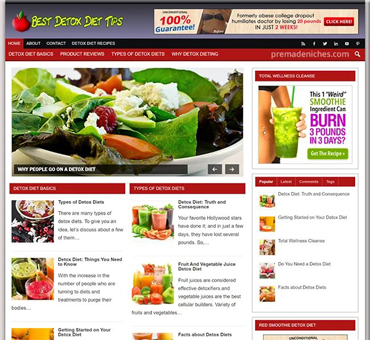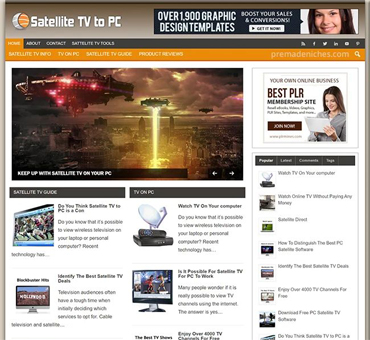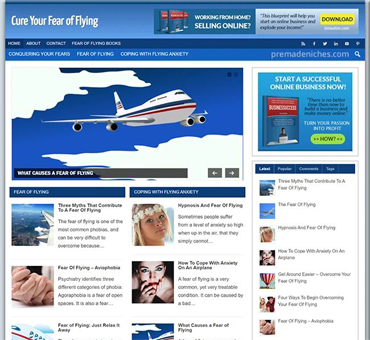


Premade niche websites offer a practical route into online business for people who want to start quickly without building every page, design element, and technical setting from the ground up. A ready-made site typically includes a selected topic, branded layout, foundational pages, and content prepared for a specific audience. Depending on the provider, it may also include hosting guidance, basic search optimization, monetization suggestions, analytics setup, and support.
The central advantage is not that a premade website guarantees income. It is that it removes much of the initial friction. You can begin with a coherent foundation, then improve the site through useful content, careful promotion, and consistent maintenance. The best choice combines a commercially sensible niche with an editable structure, clear ownership terms, and realistic expectations about the work still required.
Premade Niche Websites: What Is a Premade Niche Website?
A premade niche website is a partially or fully assembled website designed around a narrowly defined subject. Examples might include home gardening, travel accessories, personal finance education, pet care, outdoor recreation, or a professional hobby. The word “niche” describes the focused audience and topic, while “premade” describes the prepared website framework.
A package can contain a domain name, logo, color scheme, homepage, category pages, blog articles, product comparison tables, contact forms, and legal page templates. Some packages are simple starter sites with a design and a few pages. Others are more developed assets with established content, email capture, affiliate links, or ecommerce functionality. Because inclusions vary widely, reviewing the offer carefully matters more than relying on the label.
A premade site is best understood as a starting asset, not a finished business. The owner still needs to verify information, understand the audience, replace generic copy, publish new material, monitor performance, and comply with relevant laws and platform policies. That continuing work is what turns a template into a trustworthy brand.
Why Choose a Ready-Made Site?
Building from a blank screen can involve domain research, hosting, content management systems, design decisions, keyword planning, page writing, image selection, technical configuration, and conversion testing. A premade site compresses these early decisions into a prepared structure. This can be especially valuable for a beginner who wants to learn business operations rather than spend weeks resolving minor setup issues.
Speed is another benefit. A focused website can be published soon after purchase if its content and design require only light editing. Faster publication does not mean instant success, but it allows you to collect feedback earlier. You can discover which pages attract attention, which questions visitors ask, and which offers deserve further development.
A ready-made site can also provide a visual model. By examining its navigation, page hierarchy, calls to action, and content categories, a new owner gains a practical lesson in how a niche website is organized. That learning value can reduce uncertainty when planning future pages.

However, convenience has tradeoffs. The site may resemble other purchases from the same provider. Existing articles may be broad, outdated, or unsuitable for your audience. A niche selected for popularity may also be crowded. Treat the initial package as a foundation that saves time, not as proof that demand, authority, or revenue already exists.
What Should the Package Include?
Before buying, request a complete inventory of deliverables. A useful package should identify the platform, domain status, hosting arrangement, number of pages, content volume, image licenses, plugins, customization limits, and support period. If the seller uses vague phrases such as “fully optimized” or “ready to earn,” ask what those claims mean in practical terms.
Design and Technical Foundation
The website should have responsive layouts that remain usable on phones, tablets, and desktop screens. Navigation should be understandable, pages should load reasonably, and forms should work. Confirm whether software updates, security monitoring, backups, and hosting are included or become your responsibility after purchase.
Check ownership carefully. You should know whether the domain is transferred to you, whether you receive administrator access, and whether the design or content may be reused by the seller elsewhere. A site that cannot be edited independently creates unnecessary dependence.
Content and Brand Assets
Look for a clear content structure rather than a collection of disconnected articles. Useful pages often include a focused homepage, informative category pages, an about page, contact information, privacy documentation, and a publishing area. Content should serve readers first. It needs accurate explanations, natural language, useful internal links, and visible editorial improvement opportunities.
Brand elements such as a logo, typography, colors, and image direction help create consistency. Yet generic branding should be treated as temporary. A distinctive voice and clearly described audience make the business easier to remember and easier to trust.
Monetization Features
Possible monetization methods include affiliate marketing, digital products, advertising, lead generation, memberships, sponsored content, or physical products. The right method depends on visitor intent and your ability to provide value. A comparison website may suit affiliate links, while a local service site may focus on inquiries. Do not assume that every niche supports every model.
How to Evaluate a Niche Before Buying
A promising niche sits where audience interest, useful solutions, and sustainable publishing overlap. Start by describing the target visitor in specific terms. “People interested in fitness” is broad; “beginners choosing low-impact home exercise equipment” gives you clearer questions, products, and content opportunities.
Assess the problems people are trying to solve. Search behavior, community discussions, product reviews, and customer questions can reveal recurring needs. You do not need perfect demand data to form a sensible view, but you should investigate whether the topic has enough depth for months of useful publishing.
Consider commercial relevance without reducing the site to sales messages. A niche may attract attention yet offer few legitimate products or services. Conversely, a commercial niche may have strong competition and require exceptional expertise, original demonstrations, or a sharply defined audience. Look for a realistic advantage you can develop, such as practical experience, local knowledge, careful comparisons, or clearer explanations.
Examine risk. Topics involving health, legal decisions, investing, safety, or other serious consequences require higher standards of accuracy and responsible review. If you lack relevant knowledge, choose a narrower educational role and consult qualified sources or professionals where appropriate. Avoid promises that imply guaranteed results.
Also inspect the purchased content for duplication. Multiple sites using identical articles may struggle to appear distinctive and may disappoint readers. Rewrite important pages in your own voice, add original examples, and remove claims you cannot verify.
Turning the Site Into a Real Business
Publication is the beginning of operations. First, define one primary audience and one immediate action you want visitors to take. That action might be joining an email list, reading a buying guide, requesting a quote, downloading a checklist, or viewing a carefully selected recommendation. A focused path is easier to improve than a site offering every option at once.
Create an editorial plan based on genuine audience questions. Organize content into introductory explanations, practical tutorials, comparisons, troubleshooting articles, and decision guides. Link related pages naturally so readers can move from a basic question toward a useful next step. Review older articles periodically for broken links, changed products, unclear wording, and unsupported claims.

Build trust through transparency. Identify the business owner or editorial perspective, disclose affiliate relationships, provide reachable contact information, and distinguish recommendations from paid placements. If you collect personal information, explain what you collect and why, then use suitable consent and privacy practices for your audience and location.
Promote thoughtfully rather than everywhere. Helpful participation in relevant communities, email newsletters, partnerships, demonstrations, and social content can work when they genuinely answer questions. Avoid automated posting, misleading headlines, and unsolicited messages. Sustainable visibility usually follows repeated usefulness, not one burst of promotion.
Track meaningful signals. Page views can be informative, but engagement, email subscriptions, qualified inquiries, product clicks, and completed purchases provide better clues about business value. Compare performance over reasonable periods and change one important element at a time when possible.
Common Mistakes to Avoid
The first mistake is assuming that a polished appearance equals market validation. Attractive design cannot compensate for weak demand, inaccurate content, or an unclear offer. Speak with potential readers, study competing sites, and identify the questions your website can answer better.
The second is publishing the supplied content unchanged. Premade articles often need fact checking, stronger examples, clearer headings, and a more personal editorial angle. Add experience where you genuinely have it, but never invent qualifications or results.
The third is selecting too many monetization methods immediately. Numerous banners, affiliate links, popups, and calls to action can make a small site feel unreliable. Start with one primary revenue path and one secondary experiment. Keep the reader’s task obvious.
The fourth is ignoring technical ownership. Save access credentials securely, understand renewal dates, maintain backups, and know how to export your content. Confirm licensing for photographs, icons, fonts, and software. A low purchase price becomes less attractive if essential services are locked to the seller.

The fifth is neglecting measurement and maintenance. Broken forms, expired recommendations, slow pages, or outdated advice quietly damage credibility. Schedule regular reviews and keep a simple record of changes, results, and pending improvements.
A Practical Buying Checklist
Before committing, ask the seller for a live demonstration and a written list of inclusions. Confirm the website address, platform, hosting terms, transfer process, administrator access, renewal costs, and support boundaries. Ask whether the domain has a history that could affect reputation and whether any previous content, backlinks, or advertising accounts are included.
Review several pages as a reader. Is the audience obvious within seconds? Are menus logical? Does the content answer useful questions, or does it mainly repeat promotional language? Test the site on a phone, inspect forms, and open important links.
Clarify customization. Can you change the logo, layout, categories, and calls to action? Can you add products, email tools, analytics, or new authors? Flexible systems are usually more valuable than visually impressive sites that limit growth.
Read refund, transfer, licensing, and support terms before payment. Keep records of what was promised. If revenue is mentioned, ask whether it refers to verified historical performance, a projection, or a possibility. Treat projections as estimates, not guarantees.
Finally, calculate the total first-year cost. Include the purchase, domain renewal, hosting, paid plugins, email service, professional advice, content editing, advertising, and your own time. A modestly priced site may be a good choice if its ongoing obligations are clear and affordable.
Frequently Asked Questions
Are premade niche websites suitable for beginners?
They can be, particularly for beginners who want a structured starting point. You still need basic skills in editing, research, audience communication, analytics, and ethical promotion. Choose a platform with understandable controls and documentation, then learn one operational task at a time.
Can a premade website make money immediately?
Usually, no responsible seller can guarantee immediate income. Revenue depends on demand, content quality, trust, traffic, conversion, competition, and monetization fit. A prepared site may shorten setup time, but it does not replace audience development or business judgment.
Should I choose a broad or narrow niche?
A focused niche is generally easier to explain and serve, especially when resources are limited. It should still contain enough related questions, products, and audience needs to support expansion. Begin narrowly, then broaden only when your content and data justify it.
Is existing content safe to use?
Ask about ownership and licensing. Even when content is transferred legally, it may require factual review and differentiation. Verify images, quotations, product information, and claims before publication. Rewrite key pages to reflect your standards and audience.
Can I change the platform later?
Sometimes, but migration can involve redesigning templates, exporting content, redirecting addresses, replacing plugins, and checking forms. Before purchase, choose a platform with reliable export options and avoid unnecessary dependence on proprietary features.
How long should I wait before judging performance?
There is no universal timetable. New sites need time for publishing, promotion, testing, and audience response. Establish measurable milestones based on your resources, review progress regularly, and adjust the niche or offer if evidence consistently points elsewhere.
Conclusion
Premade niche websites can accelerate the launch of an online business by providing a coherent technical and editorial base. Their real value lies in reducing setup friction, not in promising effortless income. The strongest purchase is built around a specific audience, a defensible topic, transparent ownership, editable content, and a monetization method that genuinely fits visitor needs.
Approach the site as an unfinished business asset. Research the niche, inspect every deliverable, personalize the brand, improve the content, disclose relationships, and maintain the technical foundation. Measure useful actions rather than vanity numbers, and let evidence guide your next investment of time or money.
With realistic expectations and disciplined execution, a premade website can move you from planning to practice faster. It gives you a place to learn, publish, test, and serve a defined audience. Success will come from the improvements you make after launch, but beginning with a sound foundation can make those improvements more focused, affordable, and achievable.
WP AI Autoblogging Beginners Guide
Best WordPress AI Autoblogging Plugin

WP Learning 101

Free YouTube Backlink Generator Software

Latest Product