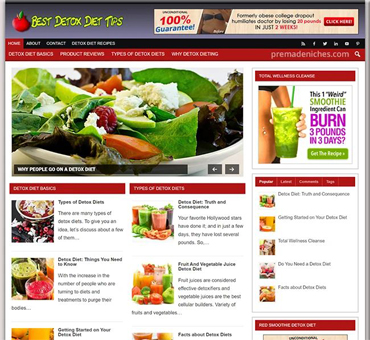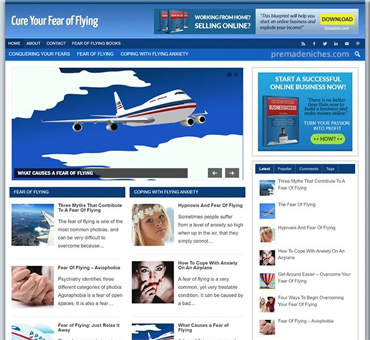


Premade niche websites offer a practical starting point for people who want to build an online business without designing every page, writing every article, and configuring every technical setting from scratch. A well-built site can provide a focused topic, organized structure, responsive design, basic search optimization, and content prepared for a defined audience. It is not a guaranteed income stream, however. Its value depends on research, quality, ownership terms, ongoing maintenance, and a realistic plan for attracting visitors.
The strongest reason to consider a premade website is speed. Instead of spending weeks choosing a domain concept, installing software, creating navigation, and drafting initial pages, a buyer can begin with a functioning digital property. That head start is useful for a beginner learning online publishing, an entrepreneur testing a market, or an established operator adding another project to a portfolio.
Premade Niche Websites: What a Premade Niche Website Includes
A premade niche website is a ready-to-customize website built around a specific subject or audience. Possible niches include home cooking, outdoor recreation, pet care, personal finance education, hobbies, local services, or business software. The website may include a domain name, hosting setup, logo, color palette, page templates, blog posts, product comparisons, legal pages, and connections to email or analytics tools.
The exact package varies considerably. Some providers sell a simple installation with a theme and several starter pages. Others deliver a more developed site containing categorized content, keyword research, affiliate links, monetization placements, and a publishing plan. Buyers should read the offer carefully rather than assuming every advertised feature is included.
A useful package normally has a clear homepage, intuitive menus, an about page, contact information, privacy documentation, and a content area that supports future publishing. It should also work on phones and tablets. If the site targets a commercial audience, product tables, comparison sections, calls to action, and disclosure language may be relevant. These elements do not replace business judgment, but they reduce repetitive setup work.
Why Buyers Choose This Model
The first advantage is reduced complexity. A new owner can focus on understanding readers and promoting useful content instead of solving every technical problem alone. This does not eliminate learning, but it changes the learning curve from “build everything” to “improve and operate what already exists.”
The second advantage is clearer direction. A narrowly defined niche gives a website a recognizable purpose. Visitors can quickly understand whether the site is relevant to them, while the owner can create articles, guides, and offers for a particular group. A focused theme also makes internal linking and editorial planning easier than managing a broad, unfocused publication.
The third advantage is a faster testing cycle. An owner can publish updates, measure engagement, and decide whether the niche deserves more investment. If results are weak, the owner can revise the audience, improve the content, or stop before committing to a larger custom build. Speed is valuable because it supports informed decisions, not because it guarantees immediate results.

Premade sites may also provide a professional appearance from the beginning. Consistent typography, spacing, images, and navigation can make a small business look more established. Yet appearance must support usability and trust. An attractive template filled with thin, inaccurate, or copied content will not create durable value.
How to Evaluate Quality Before Buying
Begin with the niche itself. Ask whether the audience has a recognizable need, whether you can understand its questions, and whether you can continue discussing the subject for at least several months. Consider the available monetization methods, including services, digital products, physical products, advertising, sponsorships, memberships, or affiliate partnerships. A niche with many possible revenue paths may offer more flexibility than one dependent on a single program.
Next, inspect the content. Look for clear writing, specific examples, helpful headings, accurate claims, and a natural connection between articles and audience needs. Avoid pages that repeat generic statements, make unsupported promises, or appear designed only to insert links. Check whether the content is original and whether the seller grants permission for you to edit, republish, and monetize it.
Examine the technical foundation. The site should load efficiently, display correctly across common screen sizes, use secure connections, and have sensible URL structures. Confirm that you receive administrator access and can change text, images, menus, metadata, and design settings. Ask whether hosting, software licenses, plugins, stock images, and future updates are included or billed separately.
Review ownership. A buyer should know exactly what is transferred: the domain, website files, database, graphics, written material, social accounts, email list, and analytics property. Determine whether the seller retains rights to reuse the same design or content for other buyers. A low price may be less attractive if the package imposes restrictive licensing or recurring obligations.
Questions Worth Asking the Seller
Request a written list of deliverables. Ask how many pages and articles are included, whether the content is exclusive, and which tools require separate subscriptions. Ask how the site was built and whether another developer can maintain it. Clarify delivery time, revision limits, training, support duration, refund conditions, and transfer procedures.
If traffic or revenue is advertised, ask for verifiable evidence and the time period represented. A new site should not be presented as an established asset. Traffic estimates are not the same as visitors, and visitors are not the same as customers. Treat optimistic projections as possibilities rather than promises.

Customization After Delivery
Customization is where a premade site becomes your business rather than a generic package. Start by adjusting the brand: name, logo, colors, voice, author information, and contact details. Remove stock wording that does not reflect your expertise or audience. Rewrite the homepage so it explains a specific problem, the people you help, and the next useful action.
Then improve the information architecture. Group related articles into meaningful categories, create cornerstone guides, and link supporting pages to those guides. A visitor should be able to move from a basic explanation to a deeper resource without searching randomly. Keep menus concise; too many options can make a small site feel confusing.
Review every factual statement and recommendation. This is especially important for financial, medical, legal, safety, and technical subjects. Add qualifications where circumstances differ, show publication or update dates when appropriate, and invite readers to consult qualified professionals for decisions requiring specialized advice. Trust develops through accuracy and transparency, not through confident wording alone.
Replace generic images with relevant visuals when possible, and check licenses before using them. Add descriptive alternative text for meaningful images, maintain readable contrast, and ensure buttons are understandable without surrounding guesswork. Accessibility improvements help more people use the site and often reveal broader usability problems.
Content and Audience Development
A website becomes valuable through consistent usefulness. Build an editorial plan from real audience questions, product comparisons, common mistakes, maintenance tasks, and decision criteria. Each article should have a clear purpose. An introductory guide may attract a beginner, while a detailed comparison may help a ready buyer. These formats can work together when internal links guide readers naturally.
Do not publish merely to increase page count. A small library of thorough, accurate resources is often more useful than a large collection of shallow posts. Demonstrate practical understanding with examples, checklists, explanations of tradeoffs, and warnings about common errors. If you recommend products or services, explain why they may suit one situation and not another.
Use several distribution channels appropriate to the audience. An email newsletter can provide a direct relationship with returning readers. Social platforms may help share visual or timely material. Communities and partnerships can introduce the site to people already interested in the subject. Promotion should contribute genuinely useful information rather than repeat sales messages.

Measure progress with relevant signals. Track qualified visits, engaged reading, email subscriptions, inquiries, sales, and returning users. A high visit count may be unhelpful if visitors leave immediately or come from an audience that cannot use the offer. Review results over a reasonable period, then improve the pages that receive attention but fail to guide readers onward.
Monetization Options and Limits
Affiliate marketing can work when recommendations are honest, relevant, and accompanied by appropriate disclosures. The owner may earn a commission after a reader completes a qualifying action, but rates, eligibility, and program rules vary. Never treat affiliate income as automatic, and do not recommend a product solely because it pays more.
Selling services may be more predictable for a specialist. A niche website can explain consulting, repair, coaching, design, installation, or other professional work, then direct qualified visitors toward a conversation. Digital products, courses, templates, memberships, and sponsored placements are other possibilities, but each requires delivery, support, and compliance responsibilities.
Advertising is easy to understand but may require substantial attention before it becomes meaningful. Ads can also reduce readability and distract visitors from higher-value actions. Choose monetization methods that fit the audience’s intent and your capacity to fulfill promises. A simple site with one well-matched offer may outperform a crowded site using every available revenue method.
Common Risks and How to Reduce Them
The largest risk is confusing a finished website with a finished business. A site can be technically complete while lacking authority, demand, distribution, or a compelling offer. Reduce this risk by validating the audience, studying competing resources, and defining what distinctive help your site will provide.
Another risk is duplicate or low-quality content. Search visibility and reader trust may suffer when many sites use identical pages. Request originality, rewrite important material, and add experience-based detail without inventing credentials or results. Keep records of licenses and ownership so future disputes are less likely.
Technical dependency is also important. A site built with abandoned plugins, locked hosting, or an unusual system may become difficult to maintain. Prefer common, documented tools and obtain backups. Update software carefully, test changes, protect administrator accounts, and use strong authentication. Make a recovery plan before a problem occurs.

Legal and ethical duties should not be overlooked. Privacy notices, cookie practices, affiliate disclosures, copyright permissions, accessibility expectations, and industry rules can vary by location and activity. The website owner is responsible for checking applicable requirements, not simply relying on a seller’s template. Professional advice may be appropriate when the site handles sensitive data or regulated claims.
A Practical Launch Sequence
Begin with an inventory. List the included domain, hosting, pages, articles, images, accounts, licenses, and support. Save backups and change passwords immediately after transfer. Confirm that you control the domain registration and administrative email.
Next, conduct an audience review. Write down the primary reader, their urgent questions, their level of knowledge, and the action you want them to take. Use this profile to revise the homepage, navigation, calls to action, and first publishing schedule.
Then perform a content audit. Correct errors, remove weak pages, combine overlapping articles, add internal links, and identify missing topics. Create a small set of priority updates rather than attempting to revise everything simultaneously.
After that, test the user experience. Open the site on multiple devices, complete contact forms, inspect links, check loading behavior, read pages aloud for awkward wording, and verify that important information is easy to find. Ask an impartial person to attempt common tasks and report confusion.
Finally, establish an operating routine. Schedule content research, publishing, backups, software updates, email communication, performance review, and financial recordkeeping. Treat the site as an ongoing asset requiring decisions, not as a one-time purchase.
FAQ
Are premade niche websites suitable for beginners?
They can be suitable when the buyer accepts responsibility for learning and operating the site. The premade structure reduces technical setup, but beginners still need to understand their audience, edit content, promote resources, follow disclosures, and evaluate performance. Choose a package with clear documentation and manageable complexity.
Can a premade website make money immediately?
There is no reliable guarantee of immediate income. Revenue depends on demand, trust, traffic, conversion quality, monetization terms, and consistent improvement. A site may provide a useful foundation, but results usually require audience development and testing.
Should I choose a broad or narrow niche?
A narrow niche is often easier to explain and serve, especially for a new owner. A broader niche may offer more topics but can create stronger competition and weaker identity. Select a scope that is specific enough to attract a recognizable audience while broad enough to support sustained, useful publishing.
Is included content safe to use?
Do not assume it is. Confirm whether the seller created the material, licensed it, or has authority to transfer it. Ask whether images, fonts, videos, and software carry separate restrictions. Keep written records of permissions and replace uncertain assets.
What should I do if the website receives no traffic?
First verify that the site is accessible, indexed where appropriate, and free of technical errors. Then assess topic demand, content quality, audience fit, and distribution. Improve useful pages, answer specific questions, build legitimate relationships, and measure qualified engagement. Avoid purchasing dubious traffic, which can obscure performance and harm trust.
Can I redesign the site later?
Usually, if you control the files and platform, but confirm before purchase. A redesign may affect URLs, speed, accessibility, branding, and conversion paths. Preserve valuable pages, create appropriate redirects, and test changes before making them public.
How much time does ownership require?
The answer depends on the niche, publishing schedule, monetization model, and technical complexity. Even a simple site needs periodic content review, security updates, backups, audience communication, and performance analysis. Estimate your available time honestly before selecting a package.
Conclusion
Premade niche websites can shorten the distance between an idea and a functioning online presence. Their real benefit is not magic automation; it is a prepared foundation that can save setup effort and help an owner test a focused opportunity sooner. The best purchase combines a credible niche, original and useful content, transferable ownership, sound technology, clear support, and realistic expectations.
Before buying, investigate what is included and what remains your responsibility. After delivery, personalize the brand, improve the content, verify compliance, build relationships with readers, and measure outcomes that matter. If you approach the website as a starting asset rather than a guaranteed business, it can become a persuasive platform for publishing, lead generation, affiliate recommendations, services, or digital products. Careful selection followed by disciplined operation gives a premade site its strongest chance to support lasting online progress.
WP AI Autoblogging Beginners Guide
Best WordPress AI Autoblogging Plugin

WP Learning 101

Free YouTube Backlink Generator Software

Latest Product