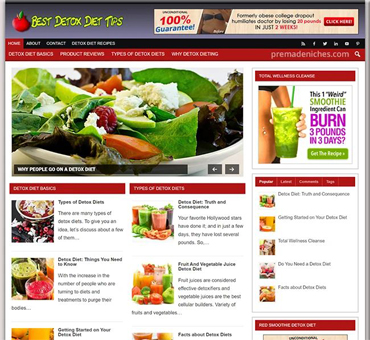


Affiliate websites are content-driven businesses that recommend products or services and earn a commission when visitors complete qualifying actions through tracked links. They can serve beginners seeking a side project, publishers building a media brand, or established companies adding revenue to an existing audience. The strongest sites do not simply place links on pages. They help readers make better decisions through useful explanations, comparisons, demonstrations, and honest limitations.
Building one requires more than choosing a profitable topic. You need a defined audience, a trustworthy publishing plan, suitable affiliate programs, technically sound pages, and a method for measuring results. Growth usually comes from consistent improvements rather than a single viral article. This guide explains how affiliate websites work, how to create one responsibly, how to increase earnings, and how to avoid common mistakes.
Affiliate Websites: What an Affiliate Website Does
An affiliate website connects a reader’s interest with a relevant commercial solution. A visitor might search for a comparison, learn how a product works, click a retailer link, and purchase. The retailer or affiliate network records the referral, then pays the publisher according to the program’s terms. Some programs pay for sales, while others may pay for leads, trials, registrations, or other approved actions.
The website’s value sits between the search question and the buying decision. A page can explain features in plain language, identify who a product suits, compare alternatives, or show how to use it. This information reduces uncertainty. When the recommendation is relevant and credible, readers are more likely to click and return later.
Affiliate income is not guaranteed. Commissions, tracking periods, approval rules, product availability, and refund policies vary by merchant. Earnings can also change when a program alters its terms or when audience behavior shifts. Treat affiliate marketing as a business model requiring testing, disclosure, customer-focused publishing, and financial patience.

Choose a Focused Niche
A niche is the subject area and audience your website serves. Good choices balance three qualities: genuine reader demand, enough products or services to recommend, and your ability to publish useful material. A broad subject such as technology may offer many opportunities but creates intense competition. A narrower area, such as equipment for home recording or tools for small garden spaces, can make your expertise easier to recognize.
Start by describing a specific reader. Consider their experience, budget, goals, frustrations, and buying context. “People interested in fitness” is vague. “Beginners creating a quiet home workout space in a small apartment” gives you clearer questions, products, and editorial boundaries.
Assess commercial relevance without forcing it. A topic may attract attention but have few suitable programs. Another may contain many expensive products but require specialist knowledge and careful explanations. Review product quality, commission structure, replacement cycles, customer support, and merchant reputation. A high commission cannot compensate for recommending unsuitable products.
Validate Before Building
Create a list of questions readers ask before, during, and after a purchase. Include beginner guides, comparisons, setup instructions, maintenance advice, troubleshooting, and alternatives. If you can imagine a substantial library without repeating yourself, the niche may support a durable site.

Check whether existing content leaves room for improvement. Look for unclear explanations, outdated instructions, missing comparisons, weak photographs, or limited advice for a particular audience. Your opportunity is not merely to repeat popular pages. It is to serve an identifiable need more thoroughly and honestly.
Build the Website Foundation
Choose a memorable domain that is easy to spell and broad enough for sensible expansion. Avoid names tied to one temporary product unless that narrow identity is intentional. Register the domain through a reputable provider, use reliable hosting, and enable security protections. A content management system can simplify publishing, navigation, updates, and basic technical management.
Design for reading first. Use clear typography, descriptive headings, comfortable spacing, accessible color contrast, and menus that reveal the site’s main categories. Pages should function well on phones because many visitors arrive through mobile devices. Avoid intrusive popups, excessive animations, auto-playing media, and advertisements that obscure the answer.
Create essential pages before promoting the site. An About page can explain the site’s purpose and editorial perspective. A Contact page gives readers and merchants a way to communicate. A privacy notice should accurately describe relevant data practices. An affiliate disclosure should clearly state that qualifying purchases may generate compensation. Legal requirements differ by location, so obtain appropriate professional advice when necessary.
Organize content into logical clusters. A category page can introduce a subject, link to foundational guides, and direct readers toward comparisons or product-specific articles. Internal links help visitors continue researching and help you maintain a coherent information structure. Use descriptive link text rather than vague phrases such as “click here.”
Create Content That Earns Attention
The most persuasive affiliate content answers a real question before asking for a click. Begin with the reader’s problem, not a catalogue of features. Explain what matters, identify tradeoffs, and tell readers what to do next. A buyer’s guide might define selection criteria, while a comparison should make differences easy to understand.
Useful formats include tutorials, product comparisons, alternatives pages, use-case recommendations, maintenance guides, checklists, and carefully written reviews. Each format serves a different decision stage. Informational pages attract early research. Comparison pages help readers narrow choices. Product pages support final evaluation. Post-purchase guides can build loyalty and additional relevant opportunities without pushing unnecessary purchases.
A strong review should explain who the product is for, what it does, important limitations, setup requirements, competing options, and factors that could make another choice better. Do not imply personal testing unless you actually performed it. If information comes from manufacturer materials, state that appropriately and avoid presenting promotional claims as independent findings.

Use specific examples. Instead of saying a device is “easy to use,” explain which tasks require setup, what controls do, and what experience level may be comfortable. Instead of calling a service “affordable,” describe the pricing structure without inventing figures, then identify costs readers should check.
Match Content to Intent
Before writing, define the question a page answers. “How to choose a standing desk” needs educational guidance. “Standing desk comparison” needs a structured evaluation. “Best standing desk for a small room” needs space-related criteria and suitable recommendations. A page that satisfies the wrong intent may receive visitors yet produce few useful outcomes.
Use a consistent evaluation framework across related articles. Criteria might include performance, compatibility, durability, maintenance, support, learning curve, and total ownership considerations. Not every criterion matters equally in every niche. Explain why each one appears and acknowledge when evidence is limited.
Refresh pages when products, links, program terms, or user needs change. Maintain a review schedule based on importance and volatility. A page involving frequently changing software may need more attention than a durable household product guide. Remove unavailable recommendations quickly, and preserve transparency when an older conclusion no longer applies.
Select Affiliate Programs Carefully
Affiliate programs may be offered directly by merchants or through networks that manage tracking and payments for multiple advertisers. Compare more than commission rates. Examine cookie or attribution rules, approved promotional methods, payment thresholds, geographic restrictions, return handling, reporting quality, and the merchant’s reputation.
Read program terms before publishing links. Some advertisers restrict email promotion, paid advertising, trademark use, coupon claims, or certain types of content. Violating rules can lead to rejected commissions or account termination. Keep records of approved programs and review their terms periodically.
Relevance and trust should guide placement. A program with a modest commission may be better than a lucrative program whose product disappoints your audience. Readers remember poor recommendations, and damaged trust can reduce future conversions across the entire site.
Use link management carefully. Centralized tools can make destination updates easier, but they should not disguise where links lead or create confusing redirects. Test links on desktop and mobile, label commercial links clearly, and check that tracking works as intended. Never click your own links to manufacture activity.

Improve Conversions Without Pressure
Conversion improvement means helping the right reader take an informed next step. Place recommendations near the explanation that makes them relevant. A call to action can summarize the product’s strongest use case, identify a key caveat, and invite the reader to check current details. It should not create false urgency.
Make comparison tables scannable, but do not reduce meaningful differences to decorative badges. Include the criteria readers actually care about and explain unusual terms below the table. Buttons should use clear language, remain accessible, and work without depending on color alone.
Test one meaningful change at a time when possible. You might compare a text link with a button, adjust a recommendation’s position, or simplify a comparison layout. Interpret results cautiously because traffic quality, seasonality, device mix, and product availability can influence outcomes. A higher click rate is not automatically better if it produces poor reader satisfaction or weak qualifying actions.
Place disclosure where readers can notice it before commercial links. Plain language is usually stronger than vague wording. The purpose is not to weaken persuasion; it is to establish an honest relationship. Readers can accept commercial motivation when the page still provides independent, practical value.
Grow Traffic and Audience
Organic search can provide steady discovery when pages closely answer specific questions, but it is not the only channel. Newsletters, communities, video, social platforms, partnerships, and direct referrals may suit different audiences. Choose channels that match your skills and readers rather than attempting all of them immediately.
Build topical depth gradually. Publish foundational pages, then create supporting articles that address narrower questions and link naturally to the central resource. This structure helps readers move from learning to comparing without forcing them through a sales funnel.
Promote useful assets, not empty announcements. A concise checklist, original comparison framework, maintenance calendar, or explanatory video gives people a reason to share or subscribe. Email can turn occasional visitors into a returning audience, but every message should provide a clear benefit and respect permission requirements.
Measure growth with context. Track visits, engaged reading, outbound clicks, conversion events reported by programs, revenue, and revenue per visitor where available. These figures are imperfect because attribution systems differ. Use trends to identify promising topics and weak pages, not to claim certainty about every individual action.

Common Mistakes to Avoid
One common mistake is publishing thin pages that repeat manufacturer descriptions. Readers need interpretation, not rearranged specifications. Add decision criteria, context, limitations, and practical guidance.
Another mistake is promoting too many unrelated products. A crowded site may generate links but lack a recognizable purpose. A focused editorial standard is more persuasive and easier to maintain.
Ignoring compliance creates avoidable risk. Disclosures, privacy practices, advertising rules, intellectual property, and platform policies vary. Do not copy images, reviews, trademarks, or text without permission. Obtain professional guidance for obligations that apply to your business or location.
Expecting immediate income can also lead to poor choices. Traffic may take time to develop, and some pages will underperform despite careful work. Review evidence, improve the page, test a different angle, or retire it when the opportunity is weak. Persistence should be informed, not automatic.
Practical Launch Plan
Begin by defining your audience, niche boundary, and editorial promise. Then research questions and products, select a domain, establish the site, and publish essential trust pages. Create a small foundation of genuinely useful articles before adding numerous commercial links.
Next, publish a balanced content mix: foundational education, problem-solving guides, comparisons, and recommendations. Add internal links as the library grows. Apply disclosures consistently, test every affiliate destination, and keep a simple record of sources, updates, and program terms.
After collecting meaningful usage data, improve the pages with the clearest opportunities. Strengthen weak introductions, clarify comparisons, replace broken links, answer recurring questions, and refine calls to action. Expand into adjacent topics only when they serve the same audience.
FAQ
How much does it cost to start?
Costs vary according to domain registration, hosting, software, design, content creation, and optional services. A lean site can begin with basic tools, while custom design, professional media, or specialist assistance increases investment. The crucial requirement is not a large budget but a realistic plan for producing trustworthy content and maintaining the site.
How long does affiliate income take?
There is no dependable universal timetable. Results depend on topic demand, competition, content quality, distribution, audience trust, program availability, and conversion conditions. Some sites obtain early commissions, while others require extended publishing and refinement. Budget and plan as though income will be delayed.
Can beginners succeed?
Beginners can build a viable site by selecting a manageable niche, learning basic publishing and measurement skills, and solving specific reader problems. Avoid presenting yourself as an expert when you are not. Careful research, transparent sourcing, and useful organization can still create value.
Should every article contain affiliate links?
No. A link belongs where it helps answer the reader’s question. Informational pages may need none, while comparison or recommendation pages may need several. Forced links make content feel commercial and can distract from the main answer.
Are expensive products always better for earnings?
No. A higher-priced product may produce a larger commission, but it may convert less often, suit fewer readers, or carry greater return risk. Fit, trust, usefulness, and program reliability matter more than price alone.
How should products be compared?
Choose criteria relevant to the intended user, define terms clearly, use consistent evidence, and explain tradeoffs. Include an alternative for readers with different budgets, priorities, or constraints. Avoid declaring a universal winner when the best choice depends on circumstances.
What should happen when a program closes?
Remove or replace affected links promptly, update related statements, and check whether the product remains available through another legitimate program. If no suitable replacement exists, preserve the educational explanation without pretending that a commercial option is still active.
Conclusion
A successful affiliate website is a helpful publishing business, not a collection of links. Choose a focused audience, build a dependable foundation, create content that improves decisions, select programs responsibly, and measure results with patience. Honest disclosures, accurate limitations, strong organization, and regular maintenance protect trust while improving commercial performance.
Start with a clear reader problem and one useful page. Expand only when each new article strengthens the site’s purpose. By combining service, consistency, and informed experimentation, you can create an affiliate website capable of attracting attention, earning qualified referrals, and growing into a durable online asset.
WP AI Autoblogging Beginners Guide
Best WordPress AI Autoblogging Plugin

WP Learning 101

Free YouTube Backlink Generator Software

Latest Product