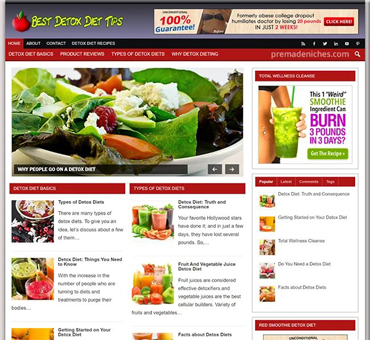


Understanding Affiliate Websites
Affiliate websites are online businesses that recommend products or services and earn commissions when visitors complete qualifying actions through tracked links. Those actions may include purchasing an item, starting a subscription, booking accommodation, requesting a quote, or registering for a service. The website owner does not usually handle inventory, payment processing, shipping, or customer support. Instead, the owner attracts a relevant audience, helps that audience make informed decisions, and receives compensation from participating merchants or networks.
A successful affiliate website is more than a collection of links. It is a useful publishing asset built around a clear audience, a defined problem, and trustworthy guidance. The strongest sites answer practical questions, compare realistic alternatives, explain limitations, and direct readers toward suitable solutions. This approach creates value before a visitor ever clicks an affiliate link.
Affiliate marketing can be attractive because it offers flexible operations and relatively low overhead. However, it is not a shortcut to passive income. Results depend on research, content quality, technical reliability, audience trust, and consistent improvement. Search visibility may take time, while social platforms, email lists, and communities require their own forms of patience and discipline.
Choosing a Profitable Website Niche
Begin with a topic narrow enough to establish relevance, but broad enough to support many useful articles. “Technology” is too wide for most new publishers. “Noise-canceling headphones for remote workers” is more focused and gives you clearer readers, products, questions, and comparison criteria. Other examples include hiking equipment for beginners, software for independent designers, kitchen tools for small apartments, or financial education resources for new freelancers.
Evaluate a niche using four questions. First, does the audience have a recurring problem or meaningful purchasing intent? Second, are there reputable products or services with affiliate programs? Third, can you contribute useful expertise, research, testing, or organization? Fourth, can you produce enough distinct content without repeating shallow variations of the same idea?

Consider commercial value without assuming that expensive products automatically create a better business. High-priced items may generate larger commissions, but they often require stronger trust and longer decision cycles. Lower-priced products can convert more readily and provide opportunities for bundles, accessories, repeat purchases, or related services.
Study competing websites to understand what readers already receive. Do not copy their wording or structure. Look for missing explanations, outdated recommendations, confusing comparisons, and audiences they overlook. A clear editorial advantage might be simpler language, better buying criteria, stronger organization, more transparent limitations, or specialized knowledge.
Building the Website Foundation
Choose a memorable domain connected to the topic, while avoiding names that are overly narrow or dependent on a temporary trend. Select dependable hosting, install a content management system, and use a responsive design that works comfortably on phones. Fast loading, readable typography, clear navigation, and accessible contrast are not cosmetic details; they affect whether visitors can understand and trust your work.
Create essential pages before publishing heavily. An About page should explain your editorial focus and the audience you serve. A Contact page provides a route for corrections, questions, and business communication. A privacy policy explains relevant data practices. An affiliate disclosure should plainly state that some links may earn you compensation, without suggesting that compensation changes your standards.

Organize your site into logical categories. A reader interested in choosing a product should be able to move from an educational guide to a shortlist, then to a detailed comparison, and finally to a merchant page. Use descriptive menus, internal links, breadcrumbs where appropriate, and consistent labels. Avoid cluttered sidebars filled with unrelated advertisements.
Set up analytics and search monitoring from the beginning. Track visits, landing pages, outbound affiliate clicks, conversions when available, and revenue by content group. These measurements help distinguish popular articles from commercially useful ones. Protect your data and avoid collecting personal information you do not genuinely need.
Selecting Affiliate Programs
Affiliate programs may be offered directly by merchants or through affiliate networks that manage tracking and payments for multiple advertisers. Examine each program’s commission structure, cookie or attribution rules, payment threshold, geographic restrictions, promotional policies, and product return treatment. Terms can differ substantially, so read the agreement rather than relying on assumptions.
Relevance should come before commission size. A highly paid offer that does not solve your reader’s problem can damage trust and produce poor results. Assess the merchant’s reputation, website experience, customer support, delivery expectations, refund process, and availability in the countries you serve. If a merchant’s claims seem exaggerated or its policies are difficult to understand, treat that as a warning.
Maintain a simple program record containing the merchant, network, link format, commission conditions, prohibited promotion methods, and date reviewed. Recheck important terms periodically. Products disappear, prices change, tracking systems are updated, and programs can close. Broken or misleading links weaken both user experience and credibility.
Use deep links when allowed, taking readers to the relevant product, plan, or information page rather than a generic homepage. Test links on different devices and browsers. Label commercial links naturally, and avoid disguising them in ways that could confuse readers.
Creating Content That Earns Trust
Content should match the reader’s stage of decision-making. Informational articles explain concepts, methods, and problems. Commercial investigation articles compare options, identify suitable users, and discuss tradeoffs. Transaction-oriented pages help readers act by presenting concise specifications, pricing context, alternatives, and clear next steps.
Informational Guides
A useful guide answers a real question completely enough for the reader to make progress. Define unfamiliar terms, explain selection criteria, discuss common mistakes, and include practical examples. For instance, an article about choosing a home printer could address print volume, running costs, connectivity, maintenance, paper handling, and whether a multifunction model is worthwhile.
Reviews and Comparisons
A review should explain how the product fits a particular use case, not merely repeat manufacturer language. Describe notable features, limitations, setup considerations, compatibility, ongoing costs, and who should avoid it. If you cannot personally test an item, distinguish verified specifications from your interpretation and avoid presenting assumptions as hands-on findings.
Comparisons work best when they use consistent criteria. A table may summarize dimensions, compatibility, pricing model, warranty, or key functions, but prose should explain why those differences matter. “Model A has more ports” is less helpful than explaining that additional ports may reduce the need for adapters for a particular user.
Tutorials and Decision Tools
Checklists, calculators, templates, and decision trees can make affiliate content more useful than ordinary articles. A checklist helps a buyer inspect compatibility before ordering. A calculator can organize recurring costs. A decision tree can guide readers based on budget, experience, space, or intended frequency of use.
Designing Pages for Conversions
Conversion does not mean pressuring visitors. It means reducing uncertainty and making the next appropriate action obvious. Place a relevant call to action after the reader understands the problem and solution. Use descriptive wording such as “View current plan details” or “Check compatible sizes” instead of vague commands.
Present important context near the link. If a product requires an extra accessory, mention it. If pricing varies, say so. If a service has a trial, renewal, regional, or cancellation condition, explain it clearly. Transparency may reduce some clicks, but it improves the quality of clicks and protects long-term trust.
Use visual hierarchy carefully. Headings, short paragraphs, comparison tables, bullets, and highlighted recommendations can help scanning. Avoid excessive pop-ups, auto-playing media, fake countdowns, and repeated calls to action. A visitor should never feel that the page is hiding information to force a decision.
Create focused landing pages for major topics when appropriate. A landing page can summarize the category, explain selection criteria, present recommended paths, and link to supporting articles. Internal links should reflect genuine relationships, not arbitrary keyword repetition.
Growing Traffic and Audience
Search optimization begins with usefulness. Research the language readers use, then build pages around their actual questions and decisions. Include the central topic naturally in the title, headings, opening, and relevant descriptions, but prioritize clarity over repetition. Satisfy search intent rather than writing an article that merely mentions a keyword.

Build topical depth through connected content. A central guide might link to beginner explanations, product comparisons, troubleshooting articles, and maintenance advice. This structure helps visitors continue learning and helps you identify gaps in coverage. Update pages when recommendations, software interfaces, regulations, prices, or product availability change.
Do not depend on search traffic alone. An email newsletter can bring readers back when you publish updates, buying guides, or seasonal advice. Social channels can distribute concise insights, demonstrations, and visual comparisons. Communities may provide valuable questions, but participation should be genuinely helpful rather than a stream of promotional links.
Partnerships can extend reach. Consider expert interviews, complementary newsletters, suppliers, educators, or organizations serving the same audience. Ask for contributions that improve the reader’s understanding, not arrangements designed only to exchange exposure.
Measuring and Improving Performance
Use a simple measurement cycle: publish, observe, diagnose, improve, and review again. Important indicators include qualified visits, engagement with key pages, affiliate link clicks, conversion rate when available, earnings per visitor, refund patterns, and email signups. No single metric tells the whole story.
A page with substantial traffic but few clicks may lack commercial relevance, place links poorly, or answer the question so completely that no product is needed. That is not necessarily failure. It may support other pages through internal links or build audience trust. A page with many clicks but weak earnings may target unsuitable offers, attract low-intent visitors, or promote a merchant with poor conversion performance.
Improve one meaningful element at a time when possible. Test a clearer comparison table, stronger introduction, more relevant call to action, updated recommendation, or improved internal links. Record changes and allow enough time to interpret results, especially when traffic fluctuates seasonally.
Review pages for accuracy and reader usefulness, not only revenue. Remove obsolete products, correct errors, add missing caveats, and disclose material changes. A site that protects its credibility can remain valuable even as individual offers change.
Common Risks and Ethical Responsibilities
Affiliate websites operate within legal, platform, and ethical boundaries. Requirements vary by jurisdiction, audience, product category, and advertising relationship, so obtain qualified legal advice for your circumstances. In general, disclosures should be conspicuous, understandable, and placed where readers can notice them before relying on a recommendation.

Do not make unsupported health, financial, safety, performance, or savings claims. Be especially careful with products affecting vulnerable people or significant financial decisions. Explain uncertainty and encourage readers to consult appropriate professionals when the decision exceeds ordinary consumer guidance.
Respect trademarks, copyright, privacy, and advertising rules. Do not copy merchant descriptions, use images without permission, impersonate a brand, or create misleading redirects. Keep records of sources and permissions. If you receive a product, payment, discount, or other material benefit, consider whether and how that relationship should be disclosed.
Diversify your business risk. A website dependent on one merchant, one traffic source, or one product can suffer suddenly when terms change. Build an email audience, develop direct resources, serve multiple reputable programs, and maintain evergreen educational content.
A Practical Launch Plan
In the first phase, define the audience, niche, editorial promise, and initial product categories. List the problems readers face and group them by awareness and buying intent. Verify that suitable programs exist before investing deeply in the site.
Next, establish the technical foundation, publish essential trust pages, and create a content map. Start with several comprehensive guides that answer fundamental questions, then add comparisons, reviews, tutorials, and supporting articles. Each page should have a clear purpose and a logical next step.
During the following phase, inspect links, improve formatting, request indexing where relevant, and begin audience distribution. Track which articles attract qualified visitors and which questions remain unanswered. Add email capture only when you can offer a credible reason to subscribe, such as useful updates, a checklist, or a practical digest.
After the site has enough evidence, strengthen what works. Update promising pages, expand successful topic clusters, negotiate appropriate program relationships, and remove weak or misleading offers. Reinvest revenue into research, editing, design, accessibility, and dependable tools rather than indiscriminate expansion.
FAQ
How much does it cost to start an affiliate website?
Costs vary according to hosting, domain registration, design, software, research, editing, and promotion. A lean site can begin with basic tools, while specialized content, professional development, or product testing increases investment. Budget for ongoing maintenance rather than treating launch expenses as the complete cost.
How long does it take to earn money?
There is no dependable universal timetable. Results depend on niche competition, publishing quality, distribution, audience trust, and merchant conversion. Some sites receive early commissions; others require sustained work before traffic becomes commercially meaningful. Focus on building useful assets instead of promising a fixed deadline.
Do I need to buy every product I recommend?
No, but you must represent your knowledge honestly. Use official specifications, reputable documentation, demonstrations, and clearly attributed information when direct testing is unavailable. State what you know, what you have not verified, and which claims come from the merchant.
Can a small website compete with established publishers?
Yes, particularly by serving a narrower audience and addressing overlooked needs. Specialization, clearer explanations, stronger local or practical context, and better updating can provide advantages. Competing successfully does not require covering every product; it requires being unusually useful for a defined reader.
Are social media links enough?
Social media can generate attention, but relying on one platform creates dependency on changing algorithms, policies, and audience behavior. A website and email list provide more durable foundations. Use social channels to distribute genuinely useful content and invite interested people into an owned communication channel.
Should I promote the highest-paying program?
Not automatically. Recommend the option that best fits the reader’s needs and your evidence. A lower-paying but trustworthy, relevant offer may produce better long-term value than an expensive program with poor alignment or weak customer experience.
Conclusion
Affiliate websites succeed when they combine commercial opportunity with responsible education. Choose a focused niche, understand the audience, build a reliable technical foundation, select relevant programs, and publish content that helps people decide with confidence. Make disclosures clear, explain limitations, test links, and measure outcomes without allowing short-term commissions to control every editorial choice.
Growth comes from a repeatable process rather than one fortunate article. Research questions, create useful resources, connect related pages, distribute them thoughtfully, study reader behavior, and improve the strongest opportunities. Treat merchants as partners, but keep the audience’s interests central. When visitors consistently find accurate guidance and appropriate solutions, affiliate links become a natural extension of the website’s value, not an interruption. That is the foundation for a durable online business.
WP AI Autoblogging Beginners Guide
Best WordPress AI Autoblogging Plugin

WP Learning 101

Free YouTube Backlink Generator Software

Latest Product