

Build Sustainable Visibility With Niche Website SEO
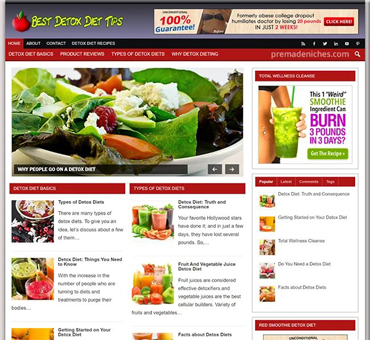
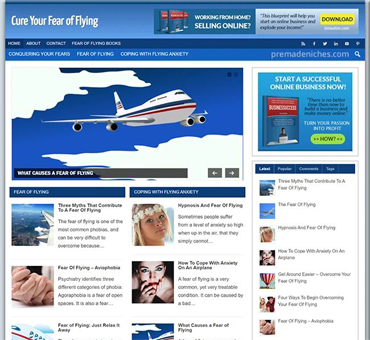
Niche website SEO is the practice of improving a focused website so the right audience can discover it through search engines, trust its guidance, and take useful action. Unlike broad publishing, niche SEO concentrates resources on a defined subject, audience, and set of problems. That focus can make it easier to develop topical authority, create relevant content, attract qualified visitors, and compete against larger websites.
A successful strategy is not simply a collection of keywords. It is a coordinated system involving audience research, site structure, helpful content, technical performance, links, conversion planning, and continuous evaluation. The goal is sustainable growth: traffic that remains valuable because it answers genuine questions rather than relying on temporary trends or manipulative tactics.
For example, a general fitness site may face enormous competition, while a site dedicated to strength training for older beginners can serve a clearer need. Its articles, product recommendations, terminology, and internal links can reinforce one another. Searchers receive a coherent experience, and search engines gain stronger signals about the website’s purpose.
Why Niche SEO Works
Niche SEO succeeds because specificity improves relevance. A narrowly defined website can understand its readers more deeply than a general publisher. It can address their vocabulary, concerns, buying stages, constraints, and preferred solutions. That understanding helps produce pages that are more useful than generic summaries.
Focused sites also make better use of limited resources. A small team cannot publish authoritative material about every subject, but it can investigate one field carefully. It can interview practitioners, compare products using transparent criteria, explain complicated concepts clearly, and update important pages as conditions change.

The commercial value of niche traffic is often strong because visitors may have a defined problem. Someone searching for “quiet mechanical keyboard for shared offices” has a more specific need than someone searching for “keyboard.” Relevance does not guarantee a sale, but it creates a better foundation for trust, engagement, and conversion.
Still, a niche is not automatically profitable. Before committing, assess audience size, search demand, competition, available products or services, content depth, and your ability to offer genuine expertise. A tiny topic may be easy to rank for but difficult to monetize. A crowded topic may offer opportunity if you possess a distinctive perspective or underserved audience.
Define the Audience and Position
Begin by describing one primary audience in practical terms. Identify what they are trying to accomplish, what prevents progress, what alternatives they have tried, and what evidence they need before acting. Avoid vague labels such as “people interested in gardening.” A sharper description might be “apartment renters seeking low maintenance vegetables for balconies with limited sunlight.”
Next, define the website’s promise. This statement should explain whom you help, what you help them do, and why your approach is useful. A clear promise guides editorial decisions and prevents the site from drifting into unrelated topics.
Study existing results for your central subject. Observe the formats that appear, the questions pages answer, the gaps they leave, and the perspectives repeated across competitors. Do not copy their structure or wording. Instead, identify opportunities to be clearer, more current, more practical, or more transparent.
Consider creating a positioning matrix with four columns: audience, urgent problem, preferred solution, and evidence required. This simple document can reveal whether your planned content serves a real need or merely repeats familiar advice.
Build a Search Topic Map
Keyword research should uncover needs, not produce a list of phrases. Group terms according to search intent. Informational queries seek explanations, commercial queries compare options, transactional queries indicate readiness to act, and navigational queries seek a specific brand or page.
Create topic clusters around your core subject. A pillar page should provide a broad, useful overview, while supporting pages explore narrower questions. For a home coffee niche, clusters might cover grinders, brewing methods, water quality, troubleshooting, and equipment comparisons. Link related pages naturally so readers can move from basic understanding to detailed decisions.
Match Content to Intent
For every target query, ask what a satisfied searcher expects. A beginner’s question may require a step-by-step explanation, definitions, and common mistakes. A comparison query needs criteria, tradeoffs, and clear distinctions. A product-focused query needs specifications, suitability guidance, limitations, and alternatives.
Review the current search results, but do not treat them as an instruction to imitate. Search results can contain outdated or incomplete information. Your opportunity is to meet the underlying need more fully while preserving a readable, human-centered format.
Use one primary topic per page, supported by closely related language. This avoids forcing several unrelated terms into one article and gives each page a clear purpose. Topic breadth should come from meaningful coverage, not repetition.
Create Content Worth Choosing
Useful niche content combines accuracy with application. Explain concepts, then show readers how to use them. Include examples, decision criteria, checklists, calculations, cautions, or workflows when they clarify the subject.
Start important articles with a direct answer. Readers should understand the page’s value quickly, especially on mobile devices. Follow with context, supporting detail, and practical next steps. Use descriptive headings, short paragraphs, tables where comparisons genuinely benefit from them, and summaries that help readers act.
Demonstrate first-hand understanding without inventing credentials or experiences. You can provide transparent methodology: explain how products are evaluated, which sources inform a claim, what assumptions a recommendation uses, and where uncertainty remains. Honest limitations often increase credibility because readers can judge whether advice fits their circumstances.

Update content according to importance, not merely age. A safety guide, buying guide, or page dependent on changing specifications deserves regular review. Record the review date internally, verify links, remove obsolete claims, and note meaningful changes for readers when appropriate.
Avoid publishing thin pages solely to target slight keyword variations. Several weak pages can compete with one another and dilute editorial effort. Consolidate overlapping topics when one comprehensive resource would serve readers better.
Improve Site Architecture and Internal Links
A logical architecture helps visitors and search engines discover important pages. Organize content into a small number of meaningful categories. Keep URLs readable, stable, and descriptive. Avoid unnecessary folders, dates, or parameters that make a page’s subject unclear.
Internal links should answer the reader’s next likely question. An introductory article can link to a detailed tutorial, a comparison can link to evaluation criteria, and a troubleshooting page can link back to foundational instructions. Use descriptive anchor text that explains the destination naturally.
Give priority to pages that support your goals. Important commercial pages should not be isolated, but links must remain editorially relevant. A large number of forced links creates clutter and weakens user confidence.
Use breadcrumbs where they clarify location, especially on larger sites. Maintain an HTML sitemap or useful category navigation if the site contains substantial material. Check for orphan pages, broken links, redirect chains, and accidental noindex directives during regular maintenance.
Strengthen Technical Foundations
Technical SEO cannot rescue unhelpful content, but technical problems can prevent strong content from performing. Ensure search engines can crawl important pages, render essential content, and understand canonical versions. Submit an accurate XML sitemap, monitor index coverage, and resolve accidental blocks.
Prioritize performance and usability. Compress suitable images, reduce unnecessary scripts, use reliable hosting, and test pages on mobile devices. Visitors should be able to read, navigate, and interact without frustrating delays or layout movement.
Use clear title tags and meta descriptions that accurately represent each page. They influence how a result is understood and can support qualified clicks, but they should not promise more than the page delivers. Implement structured data only when the page genuinely qualifies and the markup describes visible, accurate information.

Protect the site with HTTPS, accessible navigation, sufficient color contrast, meaningful alternative text, and keyboard-friendly controls. Accessibility improvements often help every visitor, not only those using assistive technologies.
Earn Trust and Relevant Links
Links remain valuable when they represent genuine editorial recognition. Pursue relevance rather than volume. A link from a respected publication, professional association, specialist community, or complementary business may be more useful than many unrelated placements.
Create assets worth citing, such as original explanations, carefully documented comparisons, templates, glossaries, calculators, research summaries, or visual guides. Outreach should explain why the resource helps a specific audience. Avoid mass emails that treat every site identically.
Partnerships can create legitimate visibility. Offer expert commentary, educational contributions, interviews, or collaborative resources when your contribution adds substance. Never pay for undisclosed endorsements or participate in schemes designed only to manipulate rankings.
Promote new work through newsletters, communities, and relevant social channels. Promotion does not guarantee links, but it gives useful material a chance to reach people who may reference or share it.
Design for Conversions Without Losing Trust
Traffic is only useful when it supports a meaningful outcome. Decide whether your primary conversion is an email subscription, consultation request, product sale, trial, donation, or another action. Match calls to action to the reader’s stage.
An early research visitor may appreciate a practical checklist or newsletter. A comparison reader may need a concise recommendation framework. A ready buyer may need pricing, delivery details, compatibility information, guarantees, and clear next steps.
Keep calls to action visible but not aggressive. Explain what happens after clicking, protect personal information, and make forms easy to complete. Place relevant evidence near the decision, including transparent policies, qualifications, demonstrations, or independently verifiable details.
Measure conversion quality, not only volume. A smaller number of well-matched leads may create more value than a large number of casual clicks. Review which pages assist conversions and whether visitors return, subscribe, contact you, or purchase.

Measure Progress and Refine the Strategy
Establish a baseline before changing the site. Record indexed pages, impressions, clicks, rankings for important topics, organic conversions, engagement patterns, and technical issues. Treat rankings as directional evidence rather than the only definition of success.
Use analytics and search reporting to identify opportunities. Pages with impressions but few clicks may need clearer titles or better alignment with intent. Pages receiving visits but producing no useful action may have weak calls to action, mismatched audiences, or insufficient trust. Pages ranking near the first results may benefit from improved depth, internal links, and freshness.
Analyze performance by topic cluster, device, country, and conversion type where appropriate. Avoid reacting to a single day or an isolated ranking change. Search demand fluctuates, competitors update pages, and technical incidents can distort short-term results.
Run controlled improvements when possible. Change one major element, document the date, and allow enough time to observe meaningful patterns. Preserve successful versions and avoid constant edits that make learning impossible.
Common Mistakes to Avoid
One mistake is choosing a niche solely because it appears easy. Validate demand and business relevance before investing heavily. Another is publishing at high volume without editorial standards. More pages do not compensate for unclear purpose or weak usefulness.
Keyword stuffing, copied summaries, misleading titles, hidden text, purchased links, and fabricated expertise can damage trust and create serious risk. Sustainable SEO rewards alignment between what a page promises and what it delivers.
Ignoring existing visitors is also costly. Read comments, support questions, sales objections, and community discussions. They reveal language and needs that keyword tools may miss. Use those insights to improve content rather than treating optimization as a purely technical exercise.
Finally, do not neglect business resilience. Diversify valuable traffic sources, maintain an email relationship where appropriate, keep backups, document processes, and avoid depending on one page or one platform.
FAQ
How long does niche website SEO take?
There is no dependable universal timeline. Progress depends on competition, site history, content quality, technical health, authority, and consistency. New sites often need time to establish credibility and earn visibility. Focus on publishing genuinely useful resources and measuring leading indicators, such as impressions, indexing, returning visitors, and qualified actions, rather than expecting immediate results.
How many articles should a niche site publish?
Publish enough to cover important audience needs, not an arbitrary number. A small collection of excellent, connected resources can outperform a large archive of repetitive pages. Begin with foundational topics, add supporting questions, and expand when reader feedback or performance data reveals a meaningful gap.
Should every article target a keyword?
Every article should have a clear purpose and audience need, but not every useful page requires a narrowly defined keyword target. Glossaries, tools, reference pages, case analyses, and supporting resources can attract discovery through broader language and links. Optimize for understandable topics and satisfying answers.
Are backlinks essential for a new niche website?
Backlinks can help discovery, authority, and referral traffic, but they are not permission to pursue low-quality links. Strong content, sound architecture, and relevant promotion should come first. Earn attention by creating resources people have a reason to cite, then build relationships with organizations serving the same audience.
Should I use AI or outsourced writers?
Tools and external writers may support research, drafting, or editing, but responsibility for accuracy and usefulness remains with the publisher. Provide a clear brief, verify claims, add subject-specific insight, remove generic language, and review sensitive advice carefully. A polished article is not automatically a trustworthy one.
How can I choose affiliate products responsibly?
Recommend products only when they fit the audience and you can explain their strengths, limitations, compatibility, and alternatives. Disclose commercial relationships clearly. Avoid exaggerated claims, outdated specifications, and recommendations based solely on commission. Reader trust is a long-term asset worth protecting.
Conclusion
Niche website SEO is a disciplined method for becoming the best answer to a clearly defined audience. Define the audience, map genuine needs, build connected content, improve technical foundations, earn relevant recognition, and design honest conversion paths. Then measure results patiently and refine what evidence reveals.
The strongest niche sites do not win by publishing the most or repeating keywords most often. They win by understanding a specific problem more deeply, explaining solutions more clearly, and helping visitors make better decisions. Treat every page as part of a useful system rather than an isolated traffic experiment. With consistent quality, transparent practices, and resilient measurement, focused SEO can create durable visibility and meaningful business growth.
WP AI Autoblogging Beginners Guide
Best WordPress AI Autoblogging Plugin

WP Learning 101

Free YouTube Backlink Generator Software

Latest Product