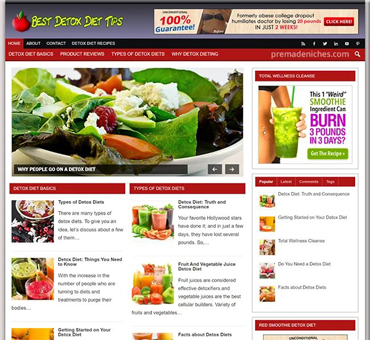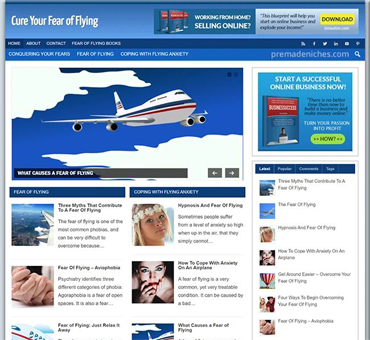


Building a Valuable Niche Website
Niche Website SEO is a focused approach to attracting qualified visitors to a website that serves a specific audience, solves a defined problem, or covers a narrow subject. Instead of competing broadly for terms such as “fitness” or “insurance,” a niche site targets opportunities like beginner strength training for remote workers, insurance for independent photographers, or sustainable equipment for small cafés. This concentration makes content more relevant, competition more manageable, and conversions easier to measure.
A well-optimized niche website is more than a collection of articles designed to capture search traffic. It is a useful resource with a recognizable purpose, dependable information, clear navigation, and a logical path from discovery to action. Search engines increasingly evaluate whether pages demonstrate experience, expertise, authority, and trust. Visitors do the same, often within seconds. Strong niche SEO therefore combines technical quality, thoughtful research, persuasive writing, and consistent improvement.
The central commercial benefit is efficiency. A focused website can build topical authority without requiring the enormous budget associated with a broad publication. By understanding one audience deeply, you can create pages that answer precise questions, compare relevant products, explain complicated choices, and guide readers toward suitable solutions. Those pages can support affiliate commissions, digital products, services, advertising, memberships, or direct sales.
What Niche Website SEO Includes
Niche Website SEO begins with strategic positioning. You need a subject that has genuine demand, a clearly identifiable audience, and enough commercial or informational depth to support many useful pages. A niche should be narrow enough to distinguish your brand, yet broad enough to provide sustainable publishing opportunities. Before building, investigate search volume, current results, competitor weaknesses, product availability, seasonal patterns, and the language real customers use.
Keyword research is the next foundation. Do not focus only on high volume phrases. Long tail searches frequently reveal stronger intent because they describe a specific need. For example, “best waterproof hiking shoes” is valuable, but “waterproof hiking shoes for wide feet under one hundred dollars” may attract a visitor much closer to purchasing. Group related queries into clusters, then assign each cluster to an appropriate page. This prevents duplicate content and gives your site a coherent architecture.

Technical SEO ensures that search engines can discover, understand, and deliver your pages. Important elements include crawlable links, an XML sitemap, sensible URL structures, mobile responsiveness, secure hosting, reliable uptime, and fast loading performance. Compress images, limit unnecessary scripts, use descriptive page titles, and make essential content available without intrusive interactions. Technical optimization does not replace excellent content, but technical problems can prevent excellent content from earning visibility.
On page optimization connects a page with its intended query. Use a clear title, a helpful introduction, logical headings, descriptive image alternatives, concise metadata, and natural internal links. Include related terminology where it improves understanding, but avoid repeating keywords mechanically. Search engines interpret context, while readers respond to clarity. Each page should have one primary purpose and should satisfy the visitor more completely than competing results.

Internal linking is especially powerful for small sites. Link introductory pages to detailed guides, comparison pages, definitions, and relevant commercial resources. Use descriptive anchor text that explains the destination. A sensible internal linking system distributes authority, helps crawlers discover content, and gives visitors a guided learning path. It also reveals missing pages: if an important concept cannot be linked naturally, your topical coverage may need improvement.
Selecting a Profitable Niche
Profitability depends on the relationship between audience needs and available offers. A niche can attract substantial traffic yet produce little revenue if visitors have no reason to buy, subscribe, or contact a provider. Conversely, a smaller audience can be valuable when products are specialized and customer lifetime value is high. Examine affiliate programs, average order values, service margins, advertising rates, sponsorship potential, and the likelihood of creating your own offer.
Study competitors with curiosity rather than intimidation. Record the pages that earn visibility, the questions they omit, their content depth, their backlink profiles, and the quality of their user experience. Look for underserved groups, outdated recommendations, unclear explanations, weak comparisons, and missing practical examples. Your opportunity may not be discovering a completely untouched subject. Often, it is serving a familiar subject with greater precision, transparency, and usefulness.
Audience research should include communities, reviews, support forums, social discussions, and customer interviews. Notice repeated frustrations and exact phrases. A visitor might search for “quiet printer for apartment,” but describe the real problem as noisy equipment disturbing a sleeping child. That context can produce better content, stronger recommendations, and more persuasive copy. Empathy is a competitive advantage because it transforms generic information into relevant guidance.
Avoid choosing a niche solely because a trend appears popular. Temporary demand can create impressive traffic followed by rapid decline. Assess whether the problem will remain meaningful, whether new products will continue entering the market, and whether you can develop enough knowledge to publish responsibly. A durable niche supports a library of related topics and allows your expertise to deepen over time.
Creating a Content Strategy
A useful content strategy usually combines cornerstone pages, supporting articles, commercial pages, and trust-building resources. A cornerstone guide explains a broad topic comprehensively and links to narrower pages. Supporting articles answer specific questions, address problems, and capture long tail searches. Commercial pages compare options, review products, explain pricing, or present services. Trust resources introduce the team, disclose relationships, explain methods, and provide contact information.

Build a topic map before publishing. Place the main subject at the center, then identify subtopics, audience stages, product categories, and recurring questions. Organize pages into clusters so that each article contributes to a larger understanding. This approach reduces random publishing and makes internal links intentional. It also helps you recognize when a new article would add genuine coverage rather than repeat existing material.
Search intent deserves particular attention. Informational visitors want explanations, definitions, tutorials, or solutions. Commercial investigation visitors want comparisons, reviews, specifications, and evidence. Transactional visitors want prices, availability, or a straightforward buying path. The same keyword can support different formats depending on the results already ranking. Examine those results, identify the dominant intent, and create a page that matches it while offering a more useful experience.
Update content according to value, not an arbitrary calendar. Refresh statistics, prices, product availability, screenshots, links, and recommendations. Add newly discovered questions, clarify confusing sections, and remove claims that no longer remain accurate. A visible update date can strengthen confidence only when the revision is substantive. Do not change dates merely to make old content appear fresh.
Writing Pages That Earn Trust
Persuasive niche content should inform before it sells. Explain how a product works, identify who benefits, disclose limitations, and distinguish evidence from personal judgment. Readers appreciate recommendations that acknowledge tradeoffs. A review saying that an item is excellent for portability but weak for heavy-duty use sounds more credible than exaggerated praise.
Demonstrate firsthand experience whenever possible. Include original photographs, testing notes, measurements, screenshots, procedures, or observations from actual use. If you cannot personally test something, explain your research method and rely on authoritative sources. Cite primary evidence for medical, financial, legal, safety, or scientific claims. Accuracy is not merely an ethical obligation; it protects rankings and preserves the relationship that makes conversion possible.
Use a consistent page structure. Begin with the visitor’s problem, present the answer early, explain the reasoning, and provide practical next steps. Break complex information into tables, bullets, examples, and short sections. Place important qualifications near the relevant claim rather than hiding them at the end. Clear writing reduces cognitive effort and increases the chance that readers will act.

A compelling call to action should follow the reader’s needs. Invite a visitor to compare options after explaining evaluation criteria, download a checklist after teaching a process, or request a consultation after establishing the problem’s cost. Avoid competing calls to action that create confusion. One primary next step, supported by secondary navigation, usually performs better than a page crowded with requests.
Authority, Links, and Reputation
Backlinks remain useful when they represent genuine editorial recognition. Pursue links by creating assets worth referencing: original research, calculators, useful templates, expert interviews, detailed tutorials, and data-driven guides. Contact relevant publishers with a specific reason your resource improves their existing page. Generic outreach and mass submissions rarely build lasting authority and can damage your reputation.
Digital public relations can support both links and brand awareness. Contribute informed commentary to journalists, participate in professional communities, publish expert opinions, and collaborate with complementary businesses. Keep the focus on useful expertise rather than promotional repetition. A small niche brand can become memorable when it consistently provides precise answers in places where its audience already gathers.
Internal reputation matters as well. Maintain transparent editorial policies, affiliate disclosures, correction procedures, and accessible contact details. Show authorship where appropriate and explain relevant qualifications. If contributors have different expertise, identify their roles honestly. Trust signals should be integrated into the experience, not presented as decorative badges without supporting evidence.
Do not purchase low quality links, spin articles, hide advertisements, or publish unreviewed artificial content at scale. Such shortcuts may produce temporary impressions but create serious algorithmic and reputational risk. Automation can assist research, outlining, transcription, and quality checks, yet a knowledgeable human should verify facts, add original insight, and accept responsibility for the finished page.
Measuring and Improving Performance
Measure SEO with business outcomes as well as rankings. Track organic impressions, clicks, engaged sessions, returning visitors, email subscriptions, leads, sales, revenue per visitor, and assisted conversions. A page ranking first for an irrelevant phrase may contribute less than a page ranking tenth for a highly commercial query. Connect analytics and search data so you can evaluate the complete journey from query to result.

Use search performance reports to find opportunities. Pages with many impressions but few clicks may need clearer titles and descriptions. Pages with clicks but weak engagement may fail to satisfy intent, load slowly, or present confusing introductions. Pages with strong engagement but few conversions may require a better offer, stronger evidence, or a more appropriate call to action. Diagnose the problem before changing the page.
Compare content groups rather than relying only on individual URLs. A cluster may grow slowly while establishing authority, then accelerate after internal links and supporting pages mature. Monitor new versus returning visitors, device performance, geographic differences, and seasonal behavior. Record significant changes, such as redesigns or link campaigns, so future results can be interpreted accurately.
Experiment carefully. Change one important variable at a time when possible, establish a baseline, and allow sufficient data to accumulate. Test titles, introductions, comparison formats, calls to action, email placements, and page layouts. Do not judge success solely by a short-term ranking movement. A modest traffic increase with higher conversion quality may be more valuable than a large increase in poorly matched visitors.
A Practical Launch Plan
During the first phase, define the audience, promise, revenue model, and editorial standards. Research competitors and collect a prioritized keyword list. Build essential pages, including an about page, contact page, privacy information, disclosure statements, and navigation. Set up analytics, search monitoring, backups, security, and performance tracking before publishing widely.
Next, create a compact foundation of excellent resources rather than dozens of shallow posts. Publish a central guide, several supporting articles, and carefully selected commercial pages. Link them together from the beginning. Invite knowledgeable reviewers to check accuracy and usability. Correct mistakes promptly, and use early reader questions to guide revisions.
After launch, promote the strongest assets through relevant communities, partnerships, newsletters, and outreach. Continue publishing according to gaps and evidence rather than pressure to produce. Review performance monthly, refresh important pages, and archive content that has no value after reasonable improvement attempts. Expansion should follow demonstrated audience interest.
Frequently Asked Questions
How long does niche SEO take?
Meaningful results commonly require several months, although timing varies with competition, content quality, technical health, authority, and publishing consistency. New sites may earn impressions before they earn substantial clicks. Focus on building useful assets and measuring progress through visibility, engagement, and conversions rather than expecting an instant ranking breakthrough.
How many articles should a niche site publish?
There is no universal number. A site needs enough coverage to answer the important questions in its subject, but quality and connectedness matter more than volume. Twenty comprehensive, well-linked pages can outperform one hundred repetitive articles. Publish when you can add distinct value, demonstrate understanding, or satisfy a clear audience need.
Should every article target a keyword?
Every page should have a discoverable purpose, but not every useful resource must target a separate keyword. Some pages support trust, conversion, navigation, or existing topics. Research should inform language and intent, not force unnatural writing. Prioritize the visitor’s problem and use keywords as clues to expectations.
Is affiliate marketing suitable for a niche website?
It can be suitable when recommendations genuinely help readers and the site adds independent value. Compare alternatives fairly, disclose affiliate relationships, explain selection criteria, and keep availability information current. Never let commission rates override suitability. Long term trust is usually more valuable than a single high commission.
How can a small site compete with large brands?
Small sites can win through specificity, firsthand experience, speed, and audience intimacy. Focus on underserved questions, narrow use cases, original evidence, and unusually clear guidance. Large publishers often cover broad subjects; a specialist can understand one customer group more deeply and provide more practical answers.
Does social media directly improve rankings?
Social activity can increase discovery, relationships, referral visits, and the likelihood that people cite or link to your content. It is not a substitute for crawlable, relevant, high quality pages. Use social channels to meet the audience, learn their language, distribute resources, and build authentic professional relationships.
Should old content be deleted?
Review it first. Improve pages that have valuable history, links, or potential. Consolidate overlapping articles with appropriate redirects when one page can serve the intent better. Remove content that is inaccurate, thin, irrelevant, or impossible to improve responsibly. Every deletion should protect users and preserve useful search pathways.
Conclusion
Niche Website SEO is a disciplined method for turning specialized knowledge into durable visibility and measurable business value. Success comes from choosing a defensible audience, understanding its problems, building connected content, maintaining technical quality, earning trust, and improving through evidence. The strongest sites do not chase every trend or publish for volume. They become dependable destinations for a particular group of people.
Begin with a narrow promise and a realistic commercial model. Research what your audience needs, create pages that answer those needs more completely than competing results, and make every recommendation transparent. Use internal links to build topical depth, original experience to strengthen credibility, and analytics to identify the next improvement. Treat search engines as a route to people, not as the final customer.
When SEO is paired with genuine usefulness, a small niche website can compound. A helpful article earns visibility, supports another page, attracts a reference, gains a subscriber, and contributes to a trusted brand. That compounding effect requires patience, but it is precisely why focused optimization remains persuasive. Build for relevance first, earn authority consistently, and let sustainable growth follow.
WP AI Autoblogging Beginners Guide
Best WordPress AI Autoblogging Plugin

WP Learning 101

Free YouTube Backlink Generator Software

Latest Product