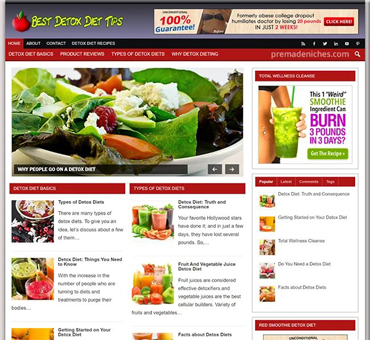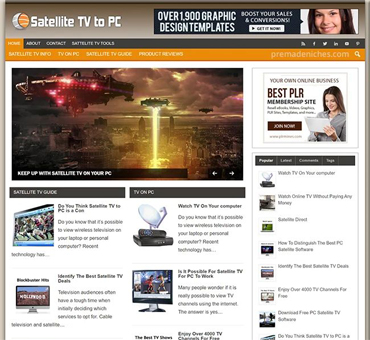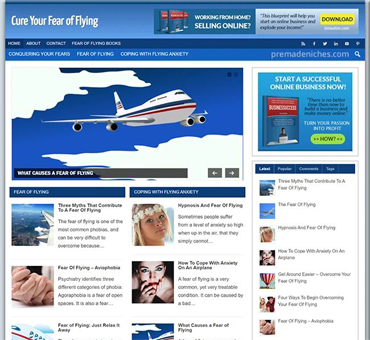


Premade Niche Websites: Build an Online Business Faster
Starting an online business usually requires several jobs at once. You need a clear market, a memorable domain, a useful website, persuasive pages, reliable hosting, search visibility, and a plan for attracting visitors. A premade niche website brings many of these elements together in a ready-to-customize package, allowing you to move from idea to launch far more quickly than building every component from scratch.
A niche website is designed around a specific audience and subject, such as home fitness, pet care, gardening, travel accessories, personal finance, or local services. Instead of presenting a broad catalogue for everyone, it addresses a defined group with recognizable problems and interests. That focus can make content, branding, promotion, and product selection easier to manage.
Premade does not mean finished forever. The strongest results come from treating the site as a foundation rather than a shortcut that removes all responsibility. You still need to inspect the structure, improve the wording, confirm the accuracy of claims, choose suitable offers, and create a realistic traffic strategy. When used thoughtfully, a premade site can reduce technical friction while leaving room for your judgment and creativity.
What You Receive
The contents of a premade niche website vary by provider, so examine the offer carefully before purchasing. A package may include a domain, hosting, a completed design, category pages, product descriptions, blog articles, basic search-engine settings, contact forms, social links, and instructions for editing the site. Some packages also include affiliate links, advertising placements, email signup forms, or ecommerce functionality.
A useful package should have a coherent relationship between its design, audience, and business model. A gardening site, for example, might include product comparison pages, seasonal guides, space for retailer links, and a newsletter form. A local cleaning website might instead prioritize service pages, inquiry forms, location information, testimonials, and prominent telephone buttons.
Review ownership and access terms. You should know whether you receive the domain registration, administrative login, design files, content rights, and permission to modify every page. Ask whether hosting is optional, transferable, or tied to the seller. Also check renewal charges, support limits, software licenses, and policies for replacing defective or duplicated content.
A professional package should make its limitations clear. Be cautious when a seller promises guaranteed rankings, instant passive income, or effortless sales. A website can provide a strong starting point, but neither design nor automation can replace audience research, trustworthy content, consistent promotion, and a useful offer.
Why Choose a Niche
Narrow positioning helps you communicate with greater relevance. Visitors are more likely to understand a site when its pages answer related questions for one particular audience. Focus also supports internal organization: articles can connect naturally to product pages, guides can lead to recommendations, and frequently asked questions can reveal subjects for future content.
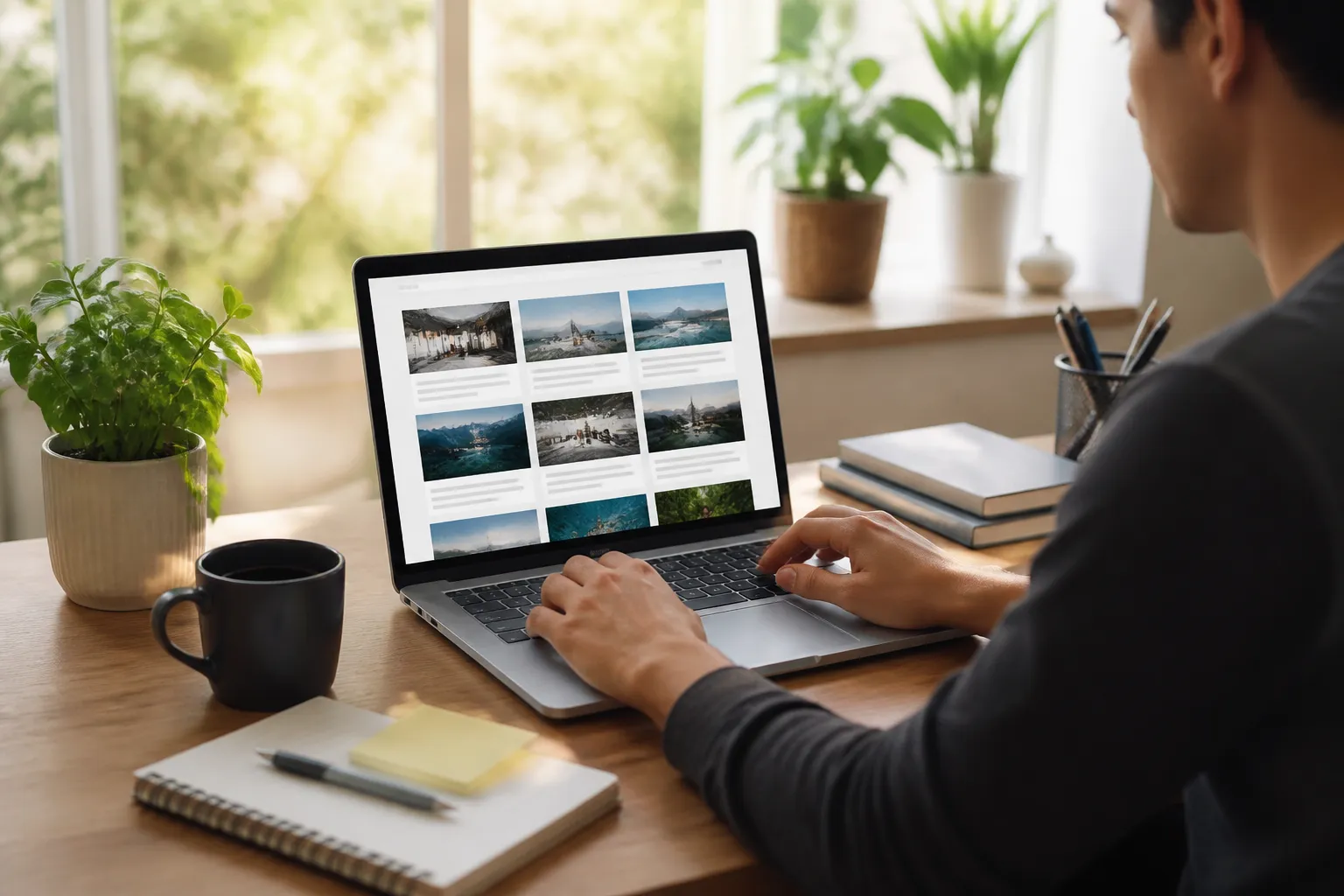
A niche should be specific enough to create identity but broad enough to support sustained activity. “Fitness” is extremely broad, while “low-impact home fitness for older beginners” offers a clearer direction. The narrower version suggests appropriate language, equipment, safety considerations, and content ideas. It may also help you distinguish your site from general competitors.
Before selecting a niche, investigate practical demand. Search for recurring questions, active communities, established retailers, competing websites, and products that people can realistically buy. Competition is not automatically a warning sign; it can indicate commercial interest. However, competition should encourage sharper positioning, not imitation.
Consider your ability to understand the audience. If you have relevant experience, you may explain decisions more naturally and recognize weak advice. If you lack expertise in a sensitive field, such as health, law, or money, use extra care. Provide general information, avoid unsupported promises, and direct readers toward qualified professionals when decisions carry serious consequences.
Match the Model to the Audience
Common models include affiliate marketing, digital products, advertising, lead generation, subscriptions, and direct sales. Affiliate sites earn commissions when visitors purchase through tracked links. Lead-generation sites collect inquiries for a service provider. Content sites may build an email audience before introducing paid products.
The model should fit visitor intent. Someone comparing camping stoves may appreciate affiliate recommendations, while someone seeking emergency plumbing needs a clear contact path rather than a long article. Map the audience’s problem, desired action, and appropriate revenue source before editing the site.
Inspect the Website Before Launch
Begin with a complete tour. Open the homepage, navigation menu, category pages, articles, forms, buttons, and checkout or external links. Test the site on a phone and a desktop screen. Look for missing images, awkward spacing, broken links, placeholder text, inconsistent fonts, and pages that still mention the original buyer or provider.
Read every important page aloud or slowly on screen. Premade content may sound generic, repeat phrases, contain outdated references, or make claims you cannot support. Rewrite introductions, headings, calls to action, and product explanations in a voice that suits your intended audience. Clear, honest language builds more confidence than exaggerated sales wording.

Check technical basics. Confirm that the site uses secure connections, loads reasonably quickly, has a readable mobile layout, and displays a useful title and description for each major page. Make sure visitors can find a contact method, privacy information, and any required disclosures. If you collect personal data, review the applicable rules for your location and audience.
Create a launch checklist with three categories: essential corrections, valuable improvements, and future experiments. Essential corrections include broken forms, inaccurate information, inaccessible pages, and missing legal notices. Valuable improvements might include better photographs, comparison tables, internal links, and clearer navigation. Experiments can wait until the site is stable and you have enough visitor behavior to evaluate changes.
Customize for Trust and Conversion
Customization should go beyond changing colors and adding a logo. Explain who the website serves, what problem it addresses, and why visitors should continue reading. A concise positioning statement can guide the homepage, navigation, article topics, and promotional messages.
Use original visual choices where possible. Replace generic stock images with photographs, diagrams, screenshots, or illustrations that genuinely clarify the subject. Add captions when they improve understanding, and use descriptive alternative text for meaningful images. Visual consistency matters, but usefulness matters more than decoration.
Make calls to action specific. “Learn more about beginner equipment” tells visitors what happens next, while “Click here” provides little context. Place calls to action after useful explanations, beside relevant recommendations, and near contact information. Avoid filling every paragraph with a sales prompt; excessive pressure can weaken credibility.
Strengthen product pages with decision-making information. Explain who the product suits, which problem it addresses, important limitations, maintenance needs, compatibility requirements, and reasonable alternatives. If you earn a commission, disclose that relationship clearly. Honest guidance can still persuade because it helps visitors choose with confidence.
Add proof carefully. You may include verified credentials, genuine reviews with permission, transparent policies, demonstrations, or links to authoritative sources. Never invent testimonials, certifications, results, or customer experiences. If the site lacks proof, improve the offer and content instead of disguising that weakness.
Create a Practical Content Plan
A premade site may arrive with articles, but publishing more pages is not automatically progress. Build a plan around the questions your audience asks before, during, and after a purchase. Beginner guides can attract early research, comparisons can support evaluation, and troubleshooting content can serve existing customers.

Organize topics into clusters. A central guide about indoor herb gardening might connect to articles about lighting, containers, soil, watering, and seasonal maintenance. Internal links should help readers move logically, not merely increase the number of links on a page. Every article should have a clear purpose and a next useful step.
Improve existing content before creating large quantities of new material. Remove repetition, verify facts, update links, add examples, and make headings descriptive. Explain technical terms when they first appear. Use tables or bullet lists when readers need to compare features, costs, or procedures.
Establish a sustainable publishing rhythm. A smaller number of carefully maintained pages can serve visitors better than a flood of shallow articles. Keep a simple editorial calendar showing the topic, intended reader, search question, supporting sources, call to action, and review date.
Promote Without Overpromising
Traffic can come from several channels. Search optimization rewards useful, understandable pages over mechanical keyword repetition. Social platforms can distribute practical tips, visual demonstrations, and short explanations. Email allows you to build a relationship with people who choose to hear from you. Partnerships, communities, podcasts, and carefully targeted advertising may also fit the niche.
Choose one or two channels initially. Learn what your audience actually uses, then produce content suited to those habits. Do not assume that every platform deserves equal attention. A visual craft business may benefit from image-led promotion, while a specialized software site may gain more from tutorials and professional communities.
Promotion should lead to a relevant destination. Sending every visitor to the homepage creates unnecessary friction. Link a comparison post to the related comparison page, a local service tip to an inquiry form, and a beginner guide to a carefully selected starter offer.
Measure and Improve Performance
Install an appropriate analytics system and define useful events. Depending on the business model, you might monitor contact submissions, outbound affiliate clicks, newsletter registrations, downloads, purchases, or calls. Visits alone do not show whether the site is helping people or generating sustainable value.

Review performance by page and by traffic source. A page with fewer visitors may produce more qualified inquiries than a popular general article. Look for patterns in search queries, exit points, device types, and returning visitors. Treat these observations as clues rather than absolute explanations.
Improve one meaningful element at a time when possible. Test a clearer headline, a shorter form, a more relevant recommendation, or a better comparison layout. Record what changed and when. Avoid judging an experiment immediately after launch, since visitor volume and seasonal behavior can influence early results.
Protect the site after launch. Update the content management system, themes, plugins, and security tools according to reliable guidance. Maintain backups, use strong unique passwords, limit administrative access, and remove unused extensions. Check forms periodically, because a silent failure can cost opportunities even when the pages appear normal.
Common Mistakes to Avoid
The first mistake is assuming the package itself creates a business. It creates an asset that still needs a market, offer, audience, and operating process. Define how you will earn revenue and how you will serve visitors before investing heavily in customization.
The second is copying the package exactly. If many buyers receive the same wording and design, your site may appear interchangeable. Rewrite key pages, develop a distinct editorial viewpoint, and add firsthand analysis only when you can support it honestly.
The third is ignoring compliance. Affiliate disclosures, privacy information, accessibility, copyright, consumer protection, and sector-specific rules can affect how you publish and sell. Requirements differ by location and business model, so obtain suitable professional advice when the risk is significant.
The fourth is choosing a niche only because it looks profitable. Interest matters, but persistence matters too. You will need to answer questions, update pages, evaluate offers, and communicate with visitors. Select a subject you can responsibly support for the long term.
Frequently Asked Questions
Are premade niche websites suitable for beginners?
They can be. A premade site may reduce the technical learning curve and show how pages fit together. Beginners still need to learn basic editing, content review, disclosure practices, analytics, and promotion. Choose a package with clear documentation and responsive support rather than one that relies on vague income claims.
Can I change the niche after purchasing?
You can often change branding and content, but the ease depends on the site structure, domain, existing links, and business model. A major change may require rewriting every page and replacing images, offers, and navigation. It may be more efficient to select a new domain or build a separate site when the audiences are unrelated.
Will a premade website rank in search results immediately?
No responsible provider can guarantee immediate visibility. Search performance depends on relevance, quality, competition, technical accessibility, authority, and ongoing maintenance. Treat any existing content as a draft to evaluate and improve, not as a guaranteed traffic source.
Do I need coding skills?
Basic packages often allow editing through a visual interface, so coding may not be necessary. However, technical skills can help with customization, troubleshooting, speed improvements, and integrations. If a change affects security, payments, tracking, or personal data, use qualified assistance when you are uncertain.
How much customization is enough?
Customize anything that affects identity, accuracy, trust, and action: the brand, positioning, main pages, offers, disclosures, contact details, images, and important content. You do not need to redesign every component immediately. Launch a sound version, observe behavior, then prioritize improvements that solve real problems.
Is an affiliate model the only option?
No. You can sell your own digital resources, generate leads for services, offer memberships, publish sponsored material with disclosure, or sell physical products. Select a model that matches audience needs, operational capacity, margins, and legal responsibilities.
What should I ask a provider before buying?
Ask what is included, what you own, how transfers work, whether content is exclusive, which fees recur, what support covers, and whether links or software licenses have restrictions. Request a demonstration, inspect representative pages, and read the terms before paying. A clear answer is a useful sign; evasiveness deserves caution.
How quickly can the site become profitable?
There is no universal timetable. Profit depends on demand, offer quality, costs, traffic, conversion, competition, and consistent execution. Set milestones you can control, such as completing revisions, publishing useful guides, gaining subscribers, or receiving qualified inquiries. Avoid financial plans based on guaranteed dates.
Conclusion
Premade niche websites offer a practical way to begin with structure instead of an empty screen. They can save time on design and setup, clarify a business direction, and help you focus sooner on content, relationships, and customers. Their value, however, comes from what you do after purchase.
Choose a focused audience, inspect the package carefully, confirm ownership, and remove anything inaccurate or generic. Shape the branding around a real need, connect every page to a useful purpose, and select a business model that serves visitor intent. Then publish trustworthy content, promote it through suitable channels, measure meaningful actions, and improve the site consistently.
The best purchase is not necessarily the most elaborate package. It is the one with a credible foundation, transparent terms, manageable costs, and enough flexibility for you to build something distinctive. Approach the website as a starting asset rather than a promise of effortless income, and you can turn a fast launch into a durable online business.
WP AI Autoblogging Beginners Guide
Best WordPress AI Autoblogging Plugin
WP Learning 101

Free YouTube Backlink Generator Software

Latest Product