

Understanding Niche Website SEO
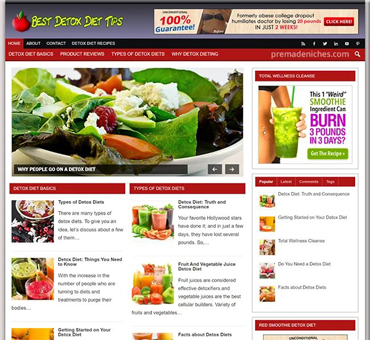
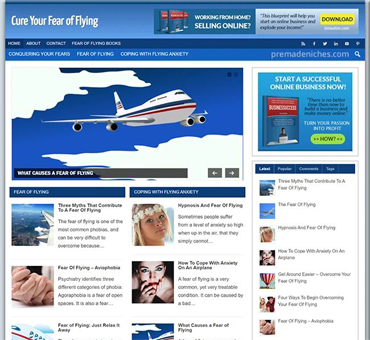
Niche website SEO is the disciplined process of improving a focused website so that it attracts qualified visitors from search engines. Instead of trying to compete for broad phrases such as “fitness” or “travel,” a niche site serves a clearly defined audience with specific needs. Examples include hiking equipment for beginners, accounting software for freelancers, or low-maintenance plants for apartments.
The central advantage is relevance. A narrow subject makes it easier to understand search intent, create useful content, develop topical authority, and earn trust. However, a small topic does not automatically produce results. Sustainable growth depends on selecting a viable niche, mapping realistic keywords, publishing genuinely helpful pages, improving technical performance, and measuring outcomes over time.
A successful niche website should solve problems better than general competitors. It should help readers make decisions, complete tasks, compare options, or avoid costly mistakes. Search visibility is a consequence of that usefulness, supported by clear structure and consistent optimization.
Choose a Niche With Sustainable Potential
The best niche is not merely one you enjoy. It combines audience demand, commercial relevance, manageable competition, and enough depth for continued publishing. Begin by listing subjects where people repeatedly ask questions, compare products, seek services, or need instruction. Then examine whether those needs are specific enough to serve with specialized expertise.
A promising niche usually has several related subtopics. For example, “home coffee brewing” can include grinders, brewing methods, water quality, maintenance, recipes, and equipment comparisons. A topic with only a few possible questions may produce a quick content burst but offer limited long-term growth.

Consider audience value as well as search volume. A phrase with fewer searches can be more valuable when visitors have strong buying intent. “Best compact grinder for espresso” signals a different opportunity from “what is coffee.” One may lead to a purchase, while the other primarily requires education.
Avoid selecting a niche solely because competitors appear weak. Weak competition may indicate weak demand, limited monetization, or rapidly changing interest. Investigate forums, product marketplaces, specialist publications, and search results to confirm that people actively seek solutions.
Validate the Business Model
Decide how the website could create value and revenue before producing hundreds of pages. Possible models include affiliate recommendations, digital products, memberships, advertising, lead generation, consulting, or physical products. The model should fit the audience’s behavior. A professional audience may respond to software referrals or services, while a hobby audience may prefer equipment guides and downloadable plans.
Check whether potential partners offer transparent terms, reliable products, and compliance-friendly policies. Never build an entire business around one advertiser or affiliate program. Diversification makes the site more resilient when commissions, inventory, or platform rules change.

Build a Search Intent Keyword Map
Keyword research is more than collecting popular phrases. It is the process of discovering what visitors want and organizing that demand into useful pages. Start with broad seed topics, then expand them using search suggestions, competitor categories, customer questions, community discussions, and relevant product terminology.
Classify each phrase by intent. Informational searches seek explanations, such as “how to sharpen a Japanese knife.” Commercial investigation searches compare possibilities, such as “best sharpening stones for beginners.” Transactional searches indicate readiness to act, while navigational searches seek a particular brand or resource.
Create a keyword map that assigns one primary purpose to each page. This prevents multiple articles from competing against one another. A beginner guide might target foundational questions, a comparison page might evaluate choices, and a tutorial might explain execution. Related phrases can appear naturally when they improve completeness, but do not force every variation into separate articles.
Prioritize topics using four practical factors: relevance to your audience, usefulness of the resulting page, realistic competition, and business value. A difficult keyword may deserve attention later, after supporting pages establish topical depth. Start with specific, underserved queries that allow your site to demonstrate competence.
Use Topic Clusters
Organize content into clusters rather than publishing isolated articles. A central pillar page explains the broad subject, while supporting pages address narrower questions and link back to it. The pillar might cover balcony gardening, with supporting articles about containers, sunlight, soil, watering, and seasonal maintenance.
This structure benefits readers because they can move naturally from overview to detail. It also helps search engines understand relationships between pages. Internal links should use descriptive, natural anchor text and appear where the next resource genuinely assists the reader.
Avoid creating thin pages simply to target minor keyword variations. If two queries have nearly identical intent, combine them into one stronger resource. Consolidation often produces a clearer experience and reduces maintenance.
Create Content That Deserves Attention
Useful content demonstrates understanding, not just keyword placement. Address the reader’s situation early, explain the reasoning behind recommendations, and show how to apply advice. Use examples, limitations, decision criteria, and practical steps. Readers should leave with a clearer decision or completed task.
For product-focused content, explain who a product suits, who should avoid it, important specifications, setup considerations, maintenance, alternatives, and total ownership factors. Do not repeat manufacturer descriptions without adding interpretation. A persuasive recommendation acknowledges trade-offs, because honest limitations increase credibility.
For instructional content, define the required tools, sequence the process, identify common mistakes, and explain how to check the result. If safety, legal, health, or financial concerns apply, use cautious language and encourage appropriate professional guidance.
Originality does not require an unusual opinion. It can come from a more useful structure, clearer testing criteria, better comparisons, carefully organized examples, or a sharper understanding of a specific audience. Before publishing, ask whether the page answers the question more completely than the visible alternatives.
Improve Readability
Use short paragraphs, informative subheadings, lists, tables, and meaningful summaries when they clarify information. Put the most important answer near the beginning, then add depth for readers who need it. Avoid exaggerated introductions that delay the solution.
Write in language your audience understands. Explain necessary specialist terms, but do not dilute the subject with empty generalities. A beginner guide and an expert comparison may discuss the same topic at different levels; match vocabulary and detail to the intended reader.
Update pages when products change, links break, regulations shift, or recommendations become outdated. A useful update should improve accuracy, not merely alter the publication date. Keep notes about sources, editorial decisions, and revision dates so maintenance is efficient.
Strengthen On-Page SEO
Each important page needs a clear title, a concise description, one primary heading, and a logical heading hierarchy. Place the main topic naturally in the title and opening, then use related language where it helps. Do not repeat a phrase mechanically.
Improve the introduction so visitors immediately understand the page’s purpose. Use descriptive URLs, compress images, write useful alternative text, and ensure links lead to relevant destinations. Add comparison tables or summaries when they make complex choices easier, but ensure essential information remains accessible on small screens.
Structured data can help search engines interpret eligible content, including products, articles, frequently asked questions, or reviews. Use markup only when the page visibly supports it and follows applicable guidelines. Markup cannot compensate for inaccurate or low-quality content.
Review search result pages periodically. Observe the formats that appear, the questions searchers ask, and the information competing pages omit. Use those observations to improve usefulness, not to copy wording or structure blindly.

Make the Technical Foundation Reliable
Technical SEO should remove obstacles between visitors, content, and search crawlers. Ensure pages can be discovered through internal links, return appropriate status codes, and avoid accidental indexing of duplicate, private, or unfinished pages. Maintain a clean sitemap and check indexing reports for unexpected exclusions.
Performance matters because slow, unstable pages frustrate users. Optimize image dimensions, reduce unnecessary scripts, choose dependable hosting, and test pages on mobile connections. A fast theme is helpful, but performance is also affected by plugins, advertising, embedded media, and poor image handling.
Make navigation predictable. Use categories that reflect how readers think about the subject, not internal publishing habits. Breadcrumbs may help visitors understand location, while descriptive menus help them reach important pages quickly. Check keyboard access, readable contrast, scalable text, and logical focus behavior.
Security is part of trust. Use secure connections, maintain software, protect administrative accounts, and review third-party tools. Technical improvements should support people first: a technically elegant site that is confusing or inaccessible will still perform poorly as a business.
Earn Trust and Authority
Links from relevant, reputable websites can help a niche site become more discoverable and credible, but link acquisition should begin with something worth citing. Produce original guides, useful tools, clear research summaries, expert interviews, glossaries, or reference resources that others can legitimately recommend.
Promotion can include thoughtful participation in specialist communities, partnerships with complementary businesses, industry newsletters, and outreach to writers who already cover the subject. Personalize outreach and explain why the resource benefits their audience. Avoid mass email, paid link schemes, automated comments, and low-quality directories.
Trust also develops through transparent editorial practices. Identify the site’s purpose, explain how recommendations are evaluated, disclose commercial relationships, and provide contact information. Author pages can clarify relevant experience without making unsupported claims. Correct errors openly and distinguish fact from opinion.
A niche site does not need to appear larger than it is. Clear limits are persuasive. If you have not tested a product, explain that your assessment is based on specifications and available documentation rather than implying personal use.
Measure Progress and Improve Deliberately
Use analytics and search performance tools to understand what happens after publication. Monitor impressions, clicks, rankings, engaged visits, conversions, email subscriptions, and revenue where relevant. No single metric tells the whole story. A page can attract traffic yet fail commercially, while a modestly visited page may produce valuable leads.

Establish a baseline before making major changes. Review performance by page type, topic cluster, device, and acquisition source. Pages with impressions but few clicks may need clearer titles or better descriptions. Pages with clicks but weak engagement may fail to meet intent. Pages with engagement but no conversions may need stronger calls to action or a more suitable offer.
Run controlled improvements when possible. Change one major element, record the date, and allow enough time for meaningful observation. Search results fluctuate, so avoid judging an edit immediately. Keep successful patterns, but do not assume every topic responds identically.
A Practical Quarterly Review
Every few months, audit priority pages. Check factual accuracy, broken links, outdated products, title clarity, internal links, search intent, page speed, and conversion paths. Combine overlapping articles, expand thin resources, and remove pages that have no useful purpose after careful review.
Review your editorial calendar against actual audience needs. Questions appearing in comments, support messages, sales conversations, and community discussions can reveal topics keyword tools miss. These signals often provide an advantage because they reflect real problems rather than estimated demand.
Common Mistakes to Avoid
Publishing at high volume without a quality standard can create a large maintenance burden and weaken the site’s reputation. Choose a sustainable schedule that allows research, editing, updating, and promotion. Consistency matters more than frantic output.
Another mistake is treating every visitor identically. A beginner needs definitions and reassurance; an experienced buyer needs specifications, trade-offs, and efficiency. Segment content by stage and state clearly who each page serves.
Do not depend on exact-match keywords, automated text, copied product descriptions, or superficial summaries. Search engines and readers increasingly reward satisfaction, clarity, and evidence of care. Do not hide important information behind intrusive popups or excessive advertising.
Finally, resist constant redesign. Frequent structural changes can consume time without improving outcomes. First identify the problem, then choose the smallest intervention likely to solve it. Preserve working elements while testing improvements deliberately.
Frequently Asked Questions
How long does niche SEO take?
Results vary according to competition, content quality, technical condition, authority, and consistency. Some specific pages may gain visibility relatively quickly, while competitive topics require sustained development. Treat SEO as an accumulating asset rather than a guaranteed short campaign.
How many articles should a niche website have?
There is no universal target. Publish enough connected resources to serve the audience comprehensively, then prioritize updates and improvements. Ten excellent, interlinked pages can be more valuable than fifty shallow articles. Depth, usefulness, and commercial fit matter more than a fixed count.
Should every article target a keyword?
Every article should address a discoverable need, but keyword targeting should not become artificial. A page can serve several closely related searches when their intent is the same. Focus on the reader’s problem and use language naturally.
Are backlinks essential?
Relevant links can support discovery and authority, but they are not a substitute for useful content. A strong resource can earn attention through its practical value, while aggressive link tactics can create risk. Build relationships and resources rather than buying questionable links.
Is affiliate marketing suitable for every niche?
No. It works best when readers naturally research products or services and the site can add meaningful guidance. Check commission terms, attribution rules, product quality, disclosure requirements, and customer fit before committing. A poor recommendation can damage trust more than it earns.
How should a small site compete with large publishers?
Be more specific, more useful, and closer to the audience. Cover overlooked questions, explain practical details, maintain pages carefully, and develop a recognizable editorial standard. Large sites often have scale; a focused site can offer precision and genuine community understanding.
Conclusion
Niche website SEO succeeds when strategy and service reinforce each other. Choose a topic with real audience needs, map intent carefully, build connected content, optimize technical foundations, earn trust, and improve from evidence. Avoid shortcuts that produce thin pages, artificial links, or exaggerated claims.
The most persuasive website is not the one that publishes the most. It is the one that consistently helps a defined group make better decisions and solve meaningful problems. Begin with a narrow promise, fulfill it thoroughly, and expand only when the audience and evidence justify growth. Over time, that disciplined approach can create durable visibility, loyal visitors, and a business asset capable of adapting as the niche evolves.
WP AI Autoblogging Beginners Guide
Best WordPress AI Autoblogging Plugin

WP Learning 101

Free YouTube Backlink Generator Software

Latest Product