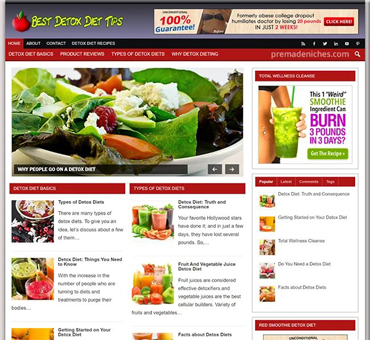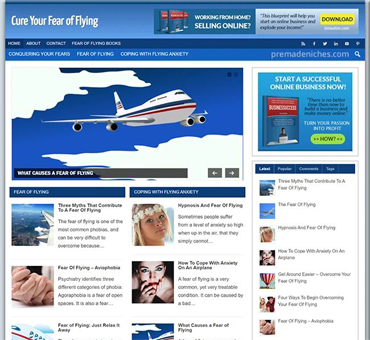


Turnkey WordPress Websites: What a Turnkey WordPress Website Includes
by in Turnkey & Ready-Made WordPress Websites onTurnkey WordPress websites offer a practical way to establish a professional online presence without managing every technical, design, and content decision from the ground up. Instead of receiving an empty installation and a long list of tasks, you receive a prepared website that can be customized, reviewed, and launched with far less friction. For entrepreneurs, local businesses, consultants, creators, and growing organizations, this approach can shorten the path from idea to functioning website while preserving the flexibility that makes WordPress widely useful.
A turnkey website typically combines hosting or installation support, a selected theme, page layouts, navigation, responsive styling, essential plugins, placeholder or starter content, and basic configuration. The exact package varies by provider, so buyers should examine what is included rather than assume every service offers the same deliverable. The strongest option is not necessarily the one with the most features. It is the one that matches your goals, skills, budget, timeline, and ability to maintain the site after launch.
Turnkey WordPress Websites: What a Turnkey WordPress Website Includes
A turnkey WordPress website is a prebuilt or partially prepared site designed to be made usable quickly. It may arrive as a complete website populated with industry-relevant content, or as a structured starter site that requires your branding, wording, images, and business details. In either case, the objective is to remove repetitive setup work and provide a coherent foundation.
Common components include a WordPress installation, a responsive theme, a homepage, service or product pages, an about page, a contact page, menus, footer areas, forms, and basic legal or privacy placeholders. Some packages also include blog templates, appointment integrations, ecommerce functionality, analytics setup, search visibility settings, performance configuration, backups, security tools, and training.
The phrase “turnkey” should not be interpreted as “requires no work.” You still need to supply accurate business information, approve design choices, check links, replace demonstration text, confirm mobile presentation, and establish a maintenance plan. A turnkey solution reduces complexity; it does not remove your responsibility for accuracy, compliance, accessibility, and ongoing care.
Design and Branding
A prepared site can establish visual consistency through colors, typography, spacing, buttons, image treatments, and page hierarchy. Customization should begin with your audience and offer rather than personal preference alone. A polished design is useful only when visitors can understand what you provide, whom you serve, and what action they should take.
Your provider may adapt a logo, color palette, photographs, icons, and written messaging. Ask whether revisions are included, how many are permitted, and whether you receive editable access. Stock imagery can be helpful during development, but final images should accurately represent your organization and must be properly licensed.
Functionality and Integrations
Plugins extend WordPress with forms, payments, event calendars, memberships, search tools, newsletters, backups, and other capabilities. Every additional plugin introduces another component to update and monitor. A trustworthy build uses only necessary, maintained tools and explains why each important plugin is installed.
Integrations deserve special attention. A contact form may need an email delivery service. An online store may require payment, shipping, tax, and inventory settings. A booking system may need calendar synchronization. Confirm that the package covers configuration, testing, subscription fees, and future compatibility, because these details often determine the real cost of ownership.

Why Businesses Choose a Turnkey Approach
The clearest advantage is reduced setup time. Starting with a planned structure avoids decisions about every page, layout, and technical setting before you have a functioning prototype. You can review an actual website, identify gaps, and refine the message more effectively than you might while working from a blank screen.
A turnkey build can also improve consistency. Professional designers and developers usually understand responsive layouts, spacing systems, navigation patterns, form placement, and common usability concerns. That expertise can prevent avoidable mistakes, especially for owners who have strong knowledge of their service but limited experience with web production.
Another benefit is predictable coordination. A package can place design, development, content organization, and launch assistance within one workflow. Fewer handoffs may reduce confusion over responsibility. However, the benefit depends on a clearly written scope. Ask for a list of pages, revisions, integrations, launch tasks, support limits, and exclusions before approving the project.
Turnkey websites can be especially valuable when timing matters. A new business preparing to open, a professional changing services, or an organization replacing an outdated site may need a credible presence quickly. Speed should not justify careless publishing, though. Check claims, contact details, accessibility, privacy information, and security settings before inviting visitors.
Choosing the Right Package
Begin by defining the website’s primary job. Is it meant to generate inquiries, explain expertise, sell products, accept bookings, collect donations, publish information, or support an existing community? The answer determines which pages, integrations, and measurements matter.
Next, describe your audience and user journeys. A local service business may need prominent location information, calls, directions, reviews, and a simple inquiry form. A consultant may need case studies, credentials, booking options, and a strong explanation of outcomes. A retailer requires product organization, checkout reliability, shipping information, and customer support pathways. Matching structure to behavior is more important than selecting a visually impressive demo.
Review ownership terms carefully. You should know who owns the domain, hosting account, website files, content, licenses, and premium plugin subscriptions. Avoid arrangements that make it unnecessarily difficult to export your site or access administrator credentials. If a provider uses proprietary components, ask what happens if you end the service.
Evaluate support as a separate product. Some providers offer one-time launch assistance; others provide continuing updates, backups, security monitoring, edits, or troubleshooting. Neither model is automatically superior. A technically confident owner may prefer control and documentation, while a busy organization may value a managed service. Ensure that response times, communication channels, and billable work are explained.

Essential Evaluation Questions
Before purchasing, request direct answers to these questions:
- Which pages and features are included?
- Is content writing included, or must you provide final copy?
- Are images licensed, supplied, or merely placeholders?
- How many design revisions are allowed?
- Is the site tested on phones, tablets, and major desktop browsers?
- Who configures forms, email delivery, analytics, backups, and security?
- Are hosting, domains, themes, and plugin subscriptions included?
- What are the renewal costs?
- Can you access administrators, files, databases, and exports?
- What support continues after launch?
Clear answers reveal whether the package is genuinely convenient or simply a low initial price followed by unplanned work.
The Launch Process
A sensible turnkey process begins with discovery. You provide business details, goals, audience information, competitors or references, brand assets, existing content, and technical requirements. The provider should identify missing information early rather than fill important gaps with assumptions.
The next phase is planning. A sitemap defines the pages and their relationships. Content outlines establish the purpose of each page, while calls to action clarify the desired next step. This stage prevents attractive design from hiding weak communication.
Development then turns the plan into a working WordPress installation. The team configures the theme, templates, plugins, menus, forms, media, and settings. During this phase, request access to a staging environment if available. Reviewing changes before public release makes it safer to identify layout problems and content errors.
Testing should include navigation, forms, buttons, links, search, responsive behavior, image display, loading behavior, user permissions, and error messages. Test real scenarios, such as submitting an inquiry from a phone or completing a purchase with a test transaction. Ask who is responsible for correcting defects found after launch.
Before publication, replace all sample content and inspect every page. Confirm that phone numbers, email addresses, hours, prices, policies, service descriptions, and locations are correct. Check image alternatives, headings, contrast, keyboard navigation, and readable text. Accessibility is not merely a design preference; it helps more people use the site and supports clearer communication.
Launch should be deliberate. Create a current backup, confirm domain settings, verify secure connections, check redirects if replacing an older site, and monitor forms after publication. Keep a record of administrator accounts and renewal dates. A short post-launch review can catch problems that were invisible in a private environment.

Content That Makes the Site Effective
A turnkey structure cannot compensate for vague messaging. Each important page should answer a visitor’s practical questions: What do you offer? Who is it for? Why should someone trust you? What should they do next? Use specific language, concrete benefits, and evidence that you can substantiate.
The homepage should orient visitors quickly rather than describe everything. A concise opening statement, supporting explanation, relevant proof, and visible action can guide users into the site. Service pages should explain scope, process, expected outcomes, limitations, and next steps. About pages should build confidence by connecting experience and values to the customer’s needs.
Calls to action should match readiness. Someone seeking a quote may need a form; someone researching a complex service may prefer a guide or consultation option. Repeating one command everywhere can feel unnatural. Offer clear choices without creating competing priorities.
Images should support meaning, not merely fill empty space. Use descriptive alternative text where appropriate, compress large files, and avoid imagery that implies services or locations you do not actually provide. If the site serves a community, authentic photographs can communicate more effectively than generic stock scenes.
Performance, Security, and Maintenance
Launching a site is the beginning of ownership. WordPress core software, themes, and plugins require updates. Updates can improve security and compatibility, but changes may occasionally conflict with custom features. Maintain reliable backups and test significant updates in a staging environment when practical.
Use strong, unique passwords and limit administrator accounts. Enable multifactor authentication where supported, remove unused users, and choose reputable hosting. Security tools can help, but no plugin replaces careful access management and timely maintenance. Keep records of licenses and service providers so renewal decisions do not become emergencies.
Performance depends on hosting, page design, image sizes, scripts, fonts, caching, and third-party services. A visually rich site may be persuasive, but excessive animation or large media can slow pages and frustrate visitors. Prioritize essential content, optimize images, and assess performance on ordinary mobile connections rather than relying only on a fast office network.
Monitor forms, uptime, search visibility, analytics, and important user actions. Review pages periodically to remove outdated offers and correct broken links. A maintenance plan should include content updates as well as technical tasks, because inaccurate information can damage trust even when the software is current.

Costs and Value
The purchase price is only one part of the financial picture. Consider hosting, domain renewal, premium plugin or theme licenses, payment processing, email delivery, maintenance, content updates, photography, accessibility improvements, and future development. Ask which costs are recurring and whether fees change after an introductory period.
A cheaper package may be appropriate when your needs are simple and you are prepared to handle content and maintenance. A more comprehensive package may offer better value when delays, technical mistakes, or internal labor would cost more than professional support. Compare outcomes and ownership terms, not just the number displayed in an advertisement.
Avoid paying for features that do not serve a defined user need. At the same time, do not omit essentials such as secure forms, backups, accessible content, or reliable checkout merely to reduce the initial quote. Value comes from a site that works for visitors and remains manageable for its owner.
Common Mistakes to Avoid
One common mistake is choosing a demo because it looks attractive without checking whether its structure fits the business. A restaurant, nonprofit, software company, and tradesperson may require very different navigation and conversion paths. Design should support the task, not dictate it.
Another mistake is treating supplied text as final. Demonstration copy often contains generic claims, assumptions, or industry language that does not reflect your actual offer. Review every sentence and obtain appropriate permissions for testimonials, logos, and photographs.
Some owners also overlook exit planning. Keep control of the domain and maintain administrator access. Store backups and documentation independently when possible. If a relationship ends, you should be able to continue operating, transfer hosting, or appoint another professional.
Finally, do not confuse launch with completion. Learn how inquiries are received, how updates are performed, and how performance is reviewed. Assign responsibility internally, even if outside support handles the technical work.
Frequently Asked Questions
Is a turnkey WordPress website suitable for a small business?
Yes, when the package matches the business’s actual needs. A small business can gain a professional structure without hiring separate specialists for every task. Confirm that the design can be edited, the content reflects your services, and ongoing costs are affordable. A simple, well-maintained site is usually more useful than an elaborate build that nobody updates.
Can I customize a turnkey website?
Usually, yes, but the extent depends on the theme, builder, licensing, and provider’s workflow. Ask whether you can edit pages, colors, menus, forms, images, and content without code. Custom changes beyond the package may involve additional fees. Request examples of editable areas and learn whether customization affects future updates.
Will I own the website?
Ownership depends on the contract. You should clarify ownership of the domain, written content, photographs, design files, database, and custom code. Some third-party themes, fonts, and plugins remain licensed rather than personally owned. Obtain a written explanation of what transfers to you and what remains dependent on the provider.
How quickly can the site launch?
Timing varies with scope, content readiness, revisions, integrations, and approvals. A small informational site can move faster than a store, membership platform, or booking system. You can help by supplying organized materials, giving consolidated feedback, and making decisions promptly. Never sacrifice testing simply to meet an arbitrary date.
Do turnkey sites help with search visibility?
They can provide a sound technical and structural starting point, including headings, metadata controls, readable URLs, mobile layouts, and performance considerations. They cannot guarantee prominent placement or replace useful, accurate content. Search visibility develops through relevance, quality, accessibility, technical health, and continued attention to what visitors need.
What happens after launch?
You remain responsible for decisions about content, services, users, and business information. Your provider may offer updates, backups, monitoring, training, or support, depending on the agreement. Establish a routine for reviewing security, forms, links, licenses, performance, and content. Keep contact information current so customers can reach you.
Should I choose a managed service?
A managed service can be worthwhile if you lack time or technical confidence and the agreement clearly defines included work. It may reduce the burden of updates and troubleshooting. However, check response times, backup ownership, cancellation terms, and extra charges. Management is valuable when it provides dependable accountability, not when it creates avoidable lock-in.
Conclusion
Turnkey WordPress websites make launching more approachable by combining planning, design, configuration, and implementation into a structured service. Their greatest value is not simply speed. It is the ability to begin with a coherent foundation, reduce technical uncertainty, and focus sooner on serving visitors and growing the organization.
Choose carefully by defining the site’s purpose, reviewing the exact scope, confirming ownership, testing real user journeys, and budgeting for maintenance. Replace generic content, protect administrator access, and treat accessibility, security, performance, and accuracy as essential requirements. With those safeguards in place, a turnkey website can become more than a quick launch: it can be a flexible, credible, and sustainable platform for communication and business development.
WP AI Autoblogging Beginners Guide

Best WordPress AI Autoblogging Plugin

WP Learning 101
Free YouTube Backlink Generator Software

Latest Product