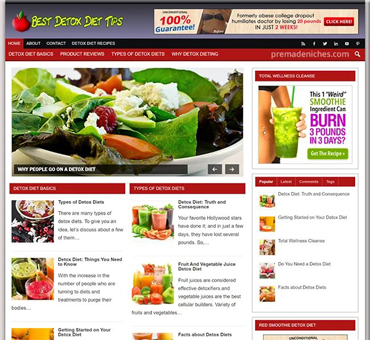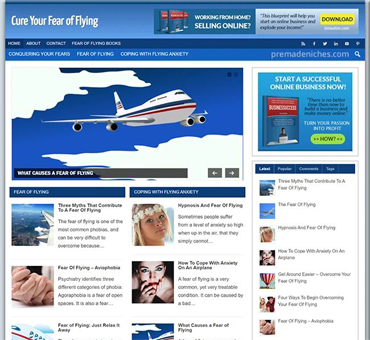


Profitable Niche Ideas
A profitable blog niche sits at the intersection of audience demand, useful expertise, and realistic monetization. The strongest opportunity is rarely the broadest subject. “Health,” “travel,” or “finance” can attract enormous attention, but each contains established competitors and many specialized subtopics. A focused blog can serve a clearly defined reader, solve recurring problems, and build trust faster.
This guide presents practical niche ideas for launching a successful blog. It also explains how to evaluate demand, choose revenue models, avoid weak concepts, and turn useful content into a sustainable business. You do not need to predict the next trend perfectly. You need a specific audience with a persistent problem, an honest solution, and a publishing plan you can maintain.
Before selecting a name or designing a website, write one sentence describing your reader and promised benefit: “I help [specific audience] achieve [specific result] without [important obstacle].” If that sentence sounds vague, the niche probably needs narrowing.
How to Judge a Profitable Niche
Profitability depends on more than page views. Consider five factors: demand, commercial intent, competition, content depth, and personal fit.
Demand means people regularly seek answers, comparisons, tutorials, or recommendations related to the subject. You can examine question patterns in online communities, autocomplete suggestions, product categories, and recurring conversations. Avoid treating a temporary viral topic as dependable demand unless you can connect it to an enduring need.

Commercial intent describes the likelihood that readers will spend money after learning. A visitor researching “how to organize a small kitchen” may buy storage products, plans, or consultation. Someone searching for a definition may only want a quick answer. Informational content still matters because it builds trust, but a viable business usually includes some buying, booking, subscribing, or hiring intent.
Competition is not automatically a warning sign. Competitors can confirm that money exists. The better question is whether you can serve a narrower audience, offer clearer explanations, use stronger firsthand knowledge, or present a distinctive perspective. A specialist blog about accessible travel, for example, may compete less directly than a general travel site.
Content depth asks whether the niche provides enough legitimate topics for months or years. Look for beginner guides, advanced tutorials, product comparisons, case-based explanations, seasonal questions, mistakes, checklists, and frequently updated resources. A niche with only a handful of possible posts may become repetitive quickly.
Personal fit affects consistency and credibility. You do not need formal credentials for every topic, but you should know what you can responsibly explain. High-stakes subjects, including medical, legal, and financial decisions, require careful sourcing and appropriate professional boundaries.
1. Personal Finance for a Defined Audience
General personal finance is crowded, yet focused financial education remains useful. You might serve freelancers managing irregular income, young families creating a first budget, immigrants learning financial systems, or artists handling taxes and contracts. Narrowing the audience makes examples more relevant and recommendations more believable.
Potential content includes budgeting methods, emergency funds, debt organization, software comparisons, banking features, and preparation questions for licensed professionals. Revenue may come from carefully selected software affiliates, digital worksheets, memberships, sponsorships, or educational products. Never promise guaranteed returns, hide affiliate relationships, or present individualized financial advice as universal guidance.
A strong finance blog emphasizes clarity and responsible decision-making. Explain assumptions, distinguish education from professional advice, and update information that can change by location or regulation.
2. Home Organization and Small-Space Living
People continually seek practical ways to reduce clutter, arrange rentals, and use limited space. A focused site could target apartment kitchens, family entryways, shared bedrooms, or home offices in small homes. Readers often want both inspiration and specific purchasing guidance.
Useful articles can compare storage systems, explain measuring techniques, design routines, and evaluate whether an item solves a genuine problem. Monetization opportunities include retailer affiliates, printable plans, sponsored products, consultations, and online workshops. Demonstrations, diagrams, and honest limitations improve trust because storage products can be expensive and highly dependent on room dimensions.
Avoid recommending containers before explaining sorting, measurement, access, and maintenance. A beautiful system that requires constant effort may fail in ordinary households.
3. Sustainable Household Decisions
Sustainability becomes more actionable when attached to everyday choices. Instead of discussing the entire environmental movement, focus on low-waste kitchens, durable clothing care, energy-conscious apartments, or repair skills for beginners.
Readers may appreciate product comparisons, maintenance guides, reuse ideas, and decision frameworks that consider cost, longevity, convenience, and disposal. Revenue can include ethical affiliate partnerships, digital guides, memberships, workshops, and carefully screened sponsorships. Be cautious with environmental claims. Explain what is known, what depends on local infrastructure, and why “eco-friendly” labels do not automatically prove superior impact.
Persuasion works best when it respects budgets and avoids demanding perfection. Practical progress is more useful than guilt.
4. Hobby Instruction
A blog teaching a hobby can attract readers who buy tools, materials, classes, and patterns. Examples include watercolor for busy adults, beginner woodworking in apartments, home coffee brewing, gardening on balconies, or tabletop role-playing preparation.
The opportunity lies in reducing frustration. Create starter guides, equipment comparisons, project sequences, troubleshooting articles, and skill-building exercises. You can sell courses, templates, patterns, workshops, subscriptions, or recommended supplies. Affiliate income may complement products you genuinely understand, but avoid promoting advanced equipment to beginners who need practice more than upgrades.
A clear progression helps readers remain engaged: first successful project, common mistake, intermediate challenge, then a path toward mastery.
5. Career Development for Specific Professionals
Broad career advice is easy to overlook. A blog serving nurses moving into administration, remote designers building portfolios, skilled tradespeople starting businesses, or academics preparing for nonacademic work can be more distinctive.
Topics might include résumé examples, interview preparation, negotiation questions, portfolio structure, workplace communication, and continuing education. Revenue options include templates, coaching, paid communities, workshops, job-board partnerships, and relevant software referrals. Because careers affect livelihoods, avoid guaranteeing employment or quoting unsupported salary claims. Encourage readers to consider regional conditions and their own experience.
The strongest articles use concrete scenarios. Show how a vague achievement becomes a measurable résumé bullet, or how a candidate can prepare thoughtful questions for an interview.

6. Travel for a Particular Need
Travel blogs become more useful when they address a defined traveler: parents with toddlers, train travelers, accessible-travel planners, digital nomads seeking quiet locations, or visitors managing dietary restrictions.
A focused travel blog can provide itineraries, packing systems, transport explanations, neighborhood comparisons, and contingency planning. Monetization may involve accommodation referrals, insurance referrals, travel gear, planning services, memberships, or destination guides. Time-sensitive details require caution. Transport schedules, entry requirements, venue access, and business hours can change, so date posts clearly and encourage verification through official sources.
Do not treat personal preference as universal advice. Explain who each option suits, its tradeoffs, and what could make it unsuitable.
7. Pet Care for a Narrow Category
Pet owners spend on food, enrichment, grooming, training, and safety. A blog focused on senior cats, apartment dogs, freshwater aquariums, or first-time rabbit owners can address questions that general pet sites treat briefly.
Useful content includes routines, equipment comparisons, enrichment activities, preparation checklists, and questions to ask a veterinarian or trainer. Revenue can come from product affiliates, digital schedules, memberships, or partnerships with qualified professionals. Animal health advice deserves restraint: describe general education, identify warning signs without diagnosing, and direct readers to veterinary care when needed.
Trust grows when recommendations prioritize welfare rather than maximizing purchases.
8. Technology for Nontechnical Users
Many people need technology explained without jargon. Potential audiences include older adults, small-business owners, teachers, caregivers, or local organizations adopting digital tools.
Content can cover setup instructions, privacy settings, software comparisons, backups, accessibility features, and troubleshooting. Revenue opportunities include software referrals, training sessions, support packages, courses, and downloadable checklists. Demonstrate steps clearly and explain when a tool is unsuitable. Technology changes frequently, so maintain update notes and review older tutorials.
A persuasive review should address setup time, learning curve, data practices, recurring costs, and alternatives rather than merely listing features.
9. Food Planning Around a Real Constraint
Food content is broad, but a real constraint can create a loyal audience: low-preparation meals, affordable vegetarian cooking, freezer planning for one person, allergy-aware organization, or meals for shift workers.
Readers value repeatable systems, shopping lists, substitutions, storage guidance, and recipes that fit their equipment and schedule. Monetization may include cookbooks, meal plans, memberships, kitchen affiliates, sponsorships, and classes. Food allergies and medical diets require careful language. Do not imply that a recipe is medically safe for everyone; readers must verify ingredients and cross-contact risks for their circumstances.

The most useful content reduces decisions. A weekly framework can be more valuable than an endless recipe archive.
10. Education and Learning Systems
Students, parents, and adult learners often need help with organization, study methods, reading, language learning, or exam preparation. Choose a specific learner rather than addressing “education” as one enormous category.
Possible products include planners, flashcard templates, tutoring, courses, memberships, and app referrals. Articles can explain study schedules, note-taking choices, revision mistakes, and ways to measure progress. Avoid promising guaranteed grades. Learning depends on prior knowledge, time, instruction, health, and many other factors.
A credible blog teaches readers how to adapt a method. Present an experiment, explain what to observe, and encourage adjustment instead of insisting that one system works for everyone.
11. Small-Business Operations
Entrepreneurs regularly search for practical help with invoicing, customer onboarding, project management, documentation, and simple marketing. A blog for photographers, independent consultants, local service providers, or online educators can compete through industry-specific examples.
Revenue may come from templates, software referrals, consulting, courses, memberships, and workshops. Explain workflows from beginning to end, including limitations and implementation effort. Do not assume that an expensive platform is necessary. Readers often value a simple spreadsheet, clear process, and reliable follow-up more than a long stack of tools.
This niche rewards content that saves time. Show the sequence, provide a usable template, and explain how to customize it.
Choosing the Best Idea
Create a short list of three niches and score each from one to five for audience clarity, recurring demand, commercial relevance, personal knowledge, content depth, and responsible access to products or services. The score is not a scientific prediction. It is a way to expose assumptions.
Next, list twenty article ideas for each candidate. Separate them into beginner questions, comparison posts, practical tutorials, recurring updates, and advanced topics. If you struggle to reach twenty without repeating yourself, reject or narrow the idea.
Then study competing blogs. Identify what they explain well, where readers remain confused, and which audiences receive little attention. Do not copy their wording or structure. Instead, find a useful editorial position: simpler instructions, better comparisons, a regional focus, a professional audience, or a stronger emphasis on accessibility.
Finally, test the niche before making a major investment. Publish several genuinely useful articles, discuss the subject in appropriate communities without spamming, and invite reader questions. Early feedback can reveal whether your proposed audience uses the language and solves the problem as you assumed.
Building a Sustainable Content Plan
Start with cornerstone resources that answer broad questions within your narrow niche. Surround each resource with supporting articles that address specific problems and link naturally between them. This structure helps readers progress from discovery to action.

Use a balanced editorial mix. Educational posts build trust, comparison posts help decisions, tutorials demonstrate usefulness, and personal or analytical perspectives create differentiation. Include updates when facts, tools, or recommendations can change. Maintain a simple review calendar rather than publishing obsolete advice indefinitely.
Each article should have one primary job. Define the reader, desired action, evidence or reasoning, and next step before drafting. A clear call to action might invite a download, consultation, email subscription, or related guide. It should follow naturally from the reader’s need, not interrupt every paragraph.
Quality also includes accessibility. Use descriptive headings, readable paragraphs, meaningful link text, captions where appropriate, and explanations that do not depend solely on color or visual assumptions.
Monetization Without Losing Trust
Choose monetization that matches reader intent. Affiliate links suit comparison and buying guides. Digital products work when readers need a repeatable system. Services fit complex problems requiring personal context. Sponsorships can work when the sponsor genuinely serves the audience, but disclosure and editorial independence are essential.
Build an email list early because platform traffic can change. Offer a useful resource such as a checklist, template, short course, or decision guide. Communicate consistently and avoid treating subscribers only as immediate buyers.
Measure meaningful signals rather than chasing every view. Look at returning readers, email signups, completed downloads, qualified inquiries, and sales that align with your audience. A smaller group with strong trust can be more valuable than large, uncommitted traffic.
Never recommend a product solely because it pays. Explain limitations, alternatives, costs, and who should avoid it. Long-term credibility is an asset that cannot be repaired easily after careless promotion.
Common Mistakes to Avoid
The first mistake is choosing a niche only because it appears profitable. If you dislike the subject or cannot sustain research, publishing will become inconsistent. The second is being too broad. A general blog often gives readers no clear reason to return.
Another mistake is confusing attention with opportunity. Viral content may produce views but little commercial intent. Similarly, a high-priced product category is not automatically suitable if readers distrust recommendations or require professional advice.
Many new bloggers publish without a reader profile, then change direction repeatedly. Define the audience, problem, promise, and boundaries before building a large library. Avoid spending heavily on branding before validating the editorial idea.
Do not neglect legal, ethical, and disclosure responsibilities. Protect privacy, identify sponsorships and affiliate relationships, respect copyright, and use professional referrals for high-stakes questions. When uncertain, choose transparent language and consult appropriate guidance.
FAQ
How narrow should a blog niche be?
Begin narrow enough that a reader immediately recognizes the blog’s relevance, but broad enough to support many related questions. You can expand after developing authority. For example, start with balcony gardening for renters before covering every gardening style.
Can a new blog succeed in a competitive niche?
Yes, but not by copying large publishers. Focus on a defined audience, useful original analysis, clearer explanations, or an underserved context. Consistency and trust matter more than pretending competition does not exist.
How soon can a niche blog make money?
There is no reliable universal timetable. Results depend on publishing quality, audience demand, distribution, monetization, and persistence. Treat early months as validation and learning rather than guaranteed income.
Should I choose a niche I already know?
Existing knowledge can improve accuracy and consistency, but curiosity can also sustain a blog. Assess whether you can explain the topic responsibly, continue learning, and serve readers better than a generic overview.
What is the best first monetization method?
Use the method that matches your strongest reader need. A template may suit a repeatable task, while consulting suits a complex decision. Start with one clear offer, test it honestly, and improve it through feedback.
Conclusion
Profitable niche ideas are not merely lists of popular subjects. They are focused opportunities where a specific audience repeatedly seeks help and can benefit from trustworthy guidance. Evaluate demand, intent, competition, depth, and your ability to contribute responsibly. Then test a narrow promise with useful content before investing heavily.
Choose a niche you can explain clearly, improve steadily, and monetize without compromising reader trust. Build cornerstone resources, listen to questions, disclose relationships, and create products that genuinely reduce effort or uncertainty. A successful blog grows from sustained usefulness: the right audience finds an answer, takes a practical next step, and returns because your guidance remains relevant. That foundation is more durable than chasing every trend, and it gives your blog a credible path from helpful publication to profitable business.
WP AI Autoblogging Beginners Guide
Best WordPress AI Autoblogging Plugin

WP Learning 101

Free YouTube Backlink Generator Software

Latest Product