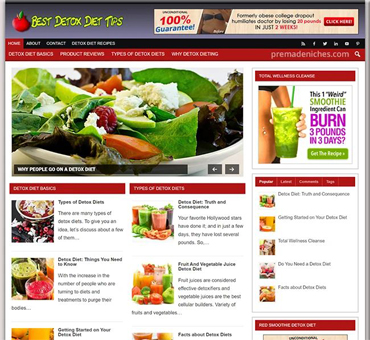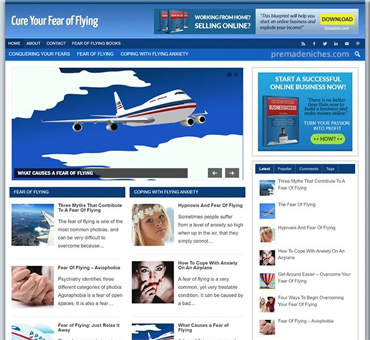


Premade niche websites offer a practical way to begin an online business without starting every task from a blank page. Instead of planning a brand, designing pages, writing initial content, configuring hosting, and researching a market separately, you purchase a website built around a defined audience and commercial topic. The result is a prepared foundation that can be customized, tested, and improved.
That convenience does not mean every premade site is automatically profitable. A strong choice still requires careful evaluation of the niche, site structure, content quality, monetization options, ownership terms, and ongoing responsibilities. The best website is not necessarily the one with the most pages or the flashiest design. It is the one that gives you a credible starting point and leaves enough room for thoughtful growth.
What Premade Niche Websites Include
A premade niche website is usually a ready-to-use digital property focused on a specific subject, customer group, or product category. Depending on the provider, it may include a domain name, hosting, branding, navigation, written pages, blog posts, product displays, lead forms, and basic search optimization. Some packages also include affiliate links, ecommerce functions, email integrations, analytics configuration, or a short training guide.
The phrase “premade” describes the starting condition, not the final level of effort. You may receive a functioning site, but you remain responsible for confirming information, updating content, managing accounts, attracting visitors, complying with applicable rules, and making business decisions. Treat the website as an asset that needs management rather than a machine that produces income by itself.
A niche is a focused market within a broader industry. Outdoor recreation, home organization, pet care, personal finance education, and specialty cooking are broad examples that can contain narrower opportunities. A narrower topic can make branding and audience communication easier, but excessive narrowness may limit demand. The ideal balance offers a clear audience, useful problems to solve, and realistic ways to earn revenue.
Why Choose a Ready-Made Website
The most obvious benefit is speed. Building a site independently involves choosing a platform, purchasing a domain, arranging hosting, developing a visual identity, creating pages, installing tools, and checking mobile performance. A premade website compresses these tasks into a more manageable review and customization process. This can help a new owner move from planning to publishing sooner.
A ready-made site can also reduce decision fatigue. Beginners often spend weeks comparing themes, plugins, colors, layouts, and content systems without producing a usable business. A prepared structure provides a practical reference point. You can see how the pages connect, identify missing elements, and focus attention on the audience instead of endlessly making technical choices.
Another advantage is opportunity cost. Time spent learning basic web production is time not spent contacting partners, improving offers, creating useful resources, or understanding customers. Outsourcing the initial build may be sensible when your strongest skills involve sales, teaching, subject knowledge, or community development rather than design and development.
Premade sites may provide a professional appearance from the beginning, but appearance should support trust rather than imitate a large company. Clear writing, accessible navigation, accurate contact details, and transparent business information generally matter more than decorative effects. A clean starting point can make later improvements easier.

Selecting a Profitable Niche
Profitability depends on more than popularity. Begin by asking whether people have recurring questions, urgent problems, or purchasing needs related to the topic. A niche with active interest but no practical commercial pathway may attract attention without producing revenue. Conversely, a modest audience can support a focused business if its needs are clear and relevant offers exist.
Examine possible monetization routes before buying. Affiliate marketing can work when recommended products genuinely fit the audience and provide a reasonable commission. Digital products may suit a niche where visitors need guides, templates, lessons, or tools. Services can be appropriate when the website demonstrates expertise and captures inquiries. Advertising generally depends on sufficient traffic and engagement, so it should not be the only assumption behind a new site.
Consider competition carefully. Competition confirms that money and attention exist, but crowded results demand stronger differentiation. Your advantage might come from a particular audience, geographic focus, practical testing, simpler explanations, better comparisons, or a distinct brand voice. Avoid choosing a topic solely because someone claims it is easy. Sustainable growth usually comes from serving a real need better than available alternatives.
Assess your own interest and capability. You do not need lifelong passion, but you should be willing to learn the subject and publish consistently. If the niche involves technical, medical, legal, or financial decisions, accuracy and responsible review become especially important. You may need qualified contributors or professional review, and you should avoid presenting general information as personalized advice.
Evaluating the Website Before Purchase
Request a complete list of what the package includes. Confirm whether the domain, hosting, design files, written content, images, plugins, email setup, and analytics accounts transfer to you. Ask whether any subscriptions, licenses, or third-party services require separate payment. Ownership is meaningful only when you can control the relevant assets and continue using them under clear terms.
Inspect the site on a phone, tablet, and desktop. Menus should be understandable, text should be readable, buttons should work, and forms should submit correctly. Check loading behavior, broken links, placeholder text, inconsistent formatting, and stock imagery that does not match the audience. A polished homepage cannot compensate for weak pages elsewhere.
Read the content critically. Does it answer specific questions, demonstrate understanding, and guide visitors toward an appropriate next action? Thin paragraphs, repetitive wording, unsupported claims, and generic introductions may require substantial rewriting. Content that was produced quickly is not automatically useless, but you should price the effort needed to make it accurate, distinctive, and genuinely helpful.
Review technical foundations. Confirm that the site uses secure connections, has sensible page titles, includes descriptive headings, supports mobile access, and can be edited without specialized coding. Check whether analytics and search tools are connected to accounts you control. Never assume that a claim such as “optimized” means the website has earned visibility or traffic.

Ask for evidence rather than promises. If the seller mentions visitors, sales, rankings, or email subscribers, request verifiable access and clarify the period represented. A site with no history may still be valuable as a new foundation, but it should be priced and judged as a new foundation. Avoid paying for imaginary momentum.
Customizing the Site for Real Customers
Begin customization with positioning. Define who the website serves, what problem it addresses, and why visitors should trust it. Replace broad statements with specific language. For example, a site can serve first-time apartment gardeners rather than “everyone interested in gardening.” This focus influences page topics, product recommendations, imagery, and calls to action.
Review every page for accuracy and relevance. Remove claims you cannot support, update outdated references, and rewrite content in a consistent voice. Add an About page that explains the purpose of the business, a Contact page with a workable method of communication, and clear disclosures wherever recommendations, commissions, sponsorships, or data collection are involved.
Improve conversion paths without becoming aggressive. A visitor should understand what to do next, whether that means reading a related guide, joining an email list, requesting a quote, or viewing a product. Use descriptive buttons and place calls to action where they naturally follow useful information. Too many competing requests can create confusion.
Create a simple publishing plan. Organize topics by audience questions, buying stages, and seasonal relevance. Helpful content can attract people who are learning, comparing solutions, or preparing to purchase. Link related pages so visitors can continue exploring. Prioritize depth, accuracy, and usefulness over an arbitrary publishing volume.
Collect feedback before expanding. Ask a few people who resemble your intended audience to find information, complete a form, and explain what feels unclear. Their confusion may reveal problems you would miss because you already understand the site. Make changes based on observed behavior and meaningful comments, not only personal preference.
Monetization Models and Tradeoffs
Affiliate income is relatively simple to implement, but it depends on trust, relevant offers, and terms controlled by outside companies. Programs can change commission structures, tracking rules, or accepted methods. Do not build the entire business around one partner. Compare products honestly and explain limitations, because a recommendation that disappoints readers can damage credibility.
Selling digital products can offer better control over the customer experience and margins, yet it requires expertise, production time, support, payment processing, and updates. A small checklist or introductory guide may be easier to validate than a large course. Start with a clear problem and confirm that people want the proposed solution before investing heavily.

Services often generate revenue with less traffic because each qualified inquiry can be valuable. A niche website can present consulting, installation, coaching, repair, design, or other assistance. However, the site must communicate scope, availability, process, and pricing expectations clearly. Lead generation is not useful if inquiries are sent to an unattended inbox.
Ecommerce creates direct selling opportunities but adds inventory, fulfillment, returns, taxes, customer support, and platform responsibilities. A premade storefront may show products without having reliable suppliers or operational processes behind it. Verify product data, shipping arrangements, payment settings, and legal requirements before accepting orders.
Advertising can supplement other models once the site has consistent, suitable traffic. It may reduce reader experience and distract from higher-value actions if introduced too early. Choose monetization according to audience intent, operational capacity, and trust, not simply the easiest button to install.
Building Traffic Responsibly
Traffic growth is a process of earning attention. Search visibility can improve when pages answer specific questions clearly, use helpful titles, load reliably, and connect related topics. Social platforms, communities, partnerships, newsletters, and direct outreach can also bring visitors. Select channels that match how your audience actually discovers information.
Do not purchase questionable links, fake followers, automated comments, or guaranteed ranking packages. Such tactics can waste money, create reputational problems, and produce visitors who never become customers. Sustainable promotion depends on relevance and credibility. A small group of engaged readers is often more useful than a large, unresponsive audience.
Email can provide a valuable relationship channel because it allows you to communicate beyond a single visit. Offer a clear reason to subscribe, explain how messages will be used, and provide an easy unsubscribe option. Send material that helps subscribers rather than treating every message as a sales announcement. Consent and privacy responsibilities should be treated seriously.
Measure meaningful signals. Track traffic sources, engaged visits, popular pages, form submissions, sales, and email actions where appropriate. Interpret numbers cautiously: a high visit count does not prove business success, and a low count may conceal strong purchase intent. Compare performance over time and test one substantial change at a time when possible.
Common Risks and How to Reduce Them
The largest risk is confusing a ready-made asset with guaranteed income. No seller can honestly promise that a site will succeed without knowing your execution, market conditions, audience response, and compliance obligations. Treat sales language as a claim to investigate, not evidence to accept automatically.

Licensing problems can create unexpected costs. Images, fonts, plugins, themes, and written materials may have restrictions. Ask what rights transfer and retain records of licenses. Replace assets when permission is unclear. Similarly, confirm that copied or syndicated content can legally and ethically be used on your site.
Security and maintenance require continuing attention. Keep software updated, use strong unique passwords, activate appropriate backups, and limit administrator access. Check forms and payment processes periodically. If you lack technical confidence, budget for dependable support rather than waiting until a failure affects visitors.
Niche changes can also weaken a business. Consumer preferences, regulations, platforms, and product availability shift. Review important pages regularly and remove recommendations that no longer work. Maintain a flexible brand that can adapt without abandoning its audience.
A Practical Launch Plan
During the first week, secure access to every account and document ownership details. Change passwords, verify domain registration, inspect hosting, install analytics under your control, and create backups. Record existing settings before making major changes so you can diagnose problems later.
Next, audit the customer journey. Visit the site as a stranger, read the central pages, test navigation, submit forms, and check the experience on different devices. Make a prioritized list of errors, trust gaps, content weaknesses, and conversion improvements. Fix broken or misleading elements before promoting the site.
Then define a small initial objective. You might seek email subscribers, qualified inquiries, product sales, or conversations with potential partners. Choose one primary action and create supporting content for it. A focused objective makes results easier to interpret than launching several unconnected campaigns.
Publish improvements consistently. Update core pages, add useful resources, answer recurring questions, and invite feedback. Review analytics periodically, but allow enough time for meaningful patterns to emerge. Document what you changed and what happened, creating a practical record for future decisions.
Finally, reinvest selectively. Spend on editing, specialist advice, better tools, or promotion only when a clear problem or opportunity justifies it. Growth should increase customer value and operational reliability, not merely add features.
Frequently Asked Questions
Are premade niche websites suitable for beginners?
They can be, particularly for beginners who want a structured starting point. However, you still need basic skills in editing, publishing, customer communication, promotion, and account security. Choose a platform with understandable controls and confirm that support is available. Learning the essentials will help you make informed decisions rather than depending entirely on the seller.
Can a premade website make money immediately?
Immediate income is possible but should not be expected. Revenue usually requires a relevant offer, trustworthy content, visitors, testing, and follow-through. A site with existing verified traffic or customers may shorten the process, but claims must be checked carefully. If the site is new, plan for a development period.
Should I buy a site with existing content?
Existing content can save time when it is accurate, original, relevant, and transferable. It can also create work if it is repetitive, outdated, copied, or poorly aligned with your audience. Review representative pages and calculate editing needs before deciding. Quality matters more than the raw number of articles.
Is a premade site better than building from scratch?
Neither option is universally better. Building from scratch offers maximum control and a deeper understanding of the system, but it requires more time and technical decisions. A premade site offers speed and structure, while customization may be necessary. Choose based on your budget, skills, deadline, and willingness to learn.
What should I ask the seller?
Ask who owns the domain, what transfers, which subscriptions continue, whether content is original, what licenses apply, how support works, and whether the site has verified performance history. Request written terms and a clear handover process. Avoid vague answers about guaranteed rankings, effortless income, or exclusive technology.
How much customization is necessary?
At minimum, customize the brand, audience positioning, core copy, contact details, offers, disclosures, and calls to action. The more competitive or sensitive the niche, the more important distinctive and carefully reviewed content becomes. A generic site may launch quickly but struggle to earn trust.
Conclusion
Premade niche websites can shorten the path from idea to online business by supplying structure, design, and initial content. Their real value lies in the time and uncertainty they remove, not in any promise of automatic profit. Success depends on choosing a viable audience, checking ownership and quality, improving the customer experience, selecting a realistic revenue model, and promoting the site responsibly.
Approach the purchase as due diligence followed by active management. Verify every important claim, protect your accounts, rewrite what needs improvement, and measure outcomes that reflect genuine business value. When the foundation is sound and your decisions remain customer-focused, a premade website can become more than a shortcut. It can become a flexible, credible platform for developing an online business over time.
WP AI Autoblogging Beginners Guide
Best WordPress AI Autoblogging Plugin

WP Learning 101

Free YouTube Backlink Generator Software

Latest Product