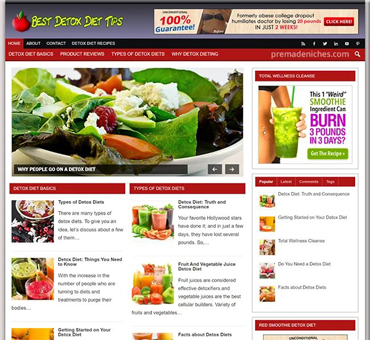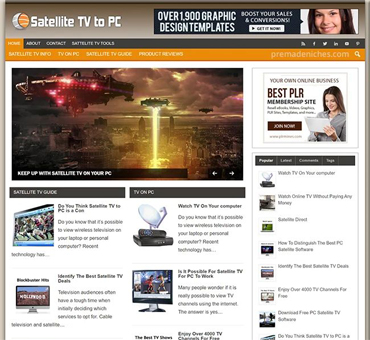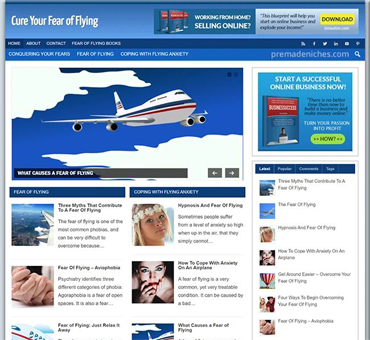


Premade Niche Websites: Build a Focused Online Business Faster
Launching a website from scratch can feel overwhelming. You must choose a profitable topic, research an audience, plan useful pages, write persuasive content, select suitable images, configure technical settings, and create a trustworthy brand. Premade niche websites simplify that process by combining these essential components into a ready to customize digital foundation.
A premade niche website is a professionally structured website created for a specific market, interest, or customer group. Examples include home fitness, pet care, gardening, personal finance, travel, beauty, local services, hobbies, and many other focused categories. Instead of beginning with an empty screen, you receive an organized platform designed to communicate clearly with a defined audience.
This approach does not mean accepting a generic website or an inflexible template. A quality premade site gives you a practical starting point while leaving room for your identity, offers, expertise, and long term strategy. You can adjust colors, logos, wording, images, navigation, calls to action, and monetization methods. The result can become a distinctive business asset rather than a temporary placeholder.
Why Niche Focus Matters
Broad websites often try to speak to everyone and consequently connect deeply with no one. A niche website takes the opposite approach. It concentrates on a recognizable group with shared needs, questions, preferences, and buying motivations. This clarity helps visitors understand your purpose quickly and helps you create content that feels relevant.
A focused audience can also make marketing more efficient. When you know who you serve, you can choose better keywords, write more specific headlines, select appropriate social channels, and develop offers that solve real problems. Search engines may also find clearly organized, useful niche content easier to understand, although rankings are never guaranteed and still depend on quality, competition, authority, and ongoing optimization.
Niche focus supports trust. A visitor looking for practical meal planning, senior dog care, or beginner woodworking is more likely to value a website that consistently addresses that subject. Relevance communicates competence. Over time, helpful articles, transparent recommendations, customer stories, and accurate information can turn casual visitors into subscribers, buyers, or returning readers.
What You Receive
Every provider packages premade niche websites differently, so review the specific inclusions before purchasing. A dependable package commonly includes a responsive design, foundational pages, category structure, sample content, navigation menus, contact functionality, and basic search engine settings. Some packages may also provide branding elements, legal page templates, social links, lead capture forms, or starter graphics.
The most valuable inclusion is not simply the number of pages. It is the logic connecting those pages. A strong site guides visitors from an initial question toward a useful answer, a relevant resource, and an appropriate next step. Clear structure reduces confusion and supports both user experience and conversion.
Look for pages such as Home, About, Contact, Services or Products, Blog, Frequently Asked Questions, and Privacy information. Depending on the niche, you may also need booking, comparison, portfolio, recipe, directory, review, or resource pages. The ideal structure reflects how your audience researches and decides.
Responsive Design
Most online browsing occurs on phones and tablets, making responsive design essential. Text should remain readable, buttons should be easy to tap, forms should work properly, and images should load without creating awkward layouts. A site that looks impressive on a desktop but frustrates mobile visitors can lose attention and credibility immediately.
Editable Content
Customization should be straightforward. You should be able to replace demonstration text, update images, revise page titles, add services, and publish new articles without rebuilding the entire site. Ask whether the website uses a familiar content management system and whether instructions, documentation, or support are included.
Performance Foundations
A premade website cannot guarantee speed because hosting, plugins, images, traffic, and third party tools affect performance. Nevertheless, the initial build should use clean layouts, compressed media, limited unnecessary scripts, and sensible page structures. Faster pages generally create a more comfortable experience and can support better engagement.
Benefits for New and Growing Businesses
Save Valuable Time
Planning and construction can consume weeks or months, especially when you are learning design and technical processes simultaneously. A premade niche website removes many early decisions. You can spend more time understanding customers, preparing useful offers, building partnerships, and promoting your business.
Reduce Initial Complexity
Starting with a tested structure can be less intimidating than assembling every component independently. The site gives you a visible framework, helping you identify which information is missing and which pages deserve priority. This confidence can encourage consistent progress instead of endless planning.
Create a Professional First Impression
Visitors often judge credibility within seconds. Balanced spacing, coherent colors, readable typography, and logical navigation make a business appear prepared. Professional presentation does not replace excellent service, but it gives your expertise a fair opportunity to be noticed.
Support Multiple Revenue Models
A niche website can support several legitimate income paths. You might sell services, physical products, digital downloads, memberships, consultations, courses, sponsorships, or carefully selected affiliate recommendations. You can begin with one model and add others as your audience and capabilities develop.

Choosing the Right Website
The best website is not necessarily the one with the most attractive preview. It is the one that fits your goals, knowledge, audience, and operating capacity. Begin by defining what you want visitors to do. Should they request a quote, schedule an appointment, purchase an item, join an email list, download a guide, or read educational content?
Next, evaluate the niche itself. Is there a clear audience with recurring problems? Are people already searching for information or purchasing solutions? Can you contribute genuine insight or partner with qualified experts? Avoid choosing a subject solely because it appears trendy. Sustainable progress usually comes from a combination of demand, differentiation, and your ability to publish consistently.
Review the demonstration site carefully. Test its navigation on a phone. Read the sample pages. Examine the checkout or contact process if applicable. Check whether the tone suits your audience. Consider whether the layout can accommodate your future plans. A beautiful preview may still be unsuitable if its structure depends on content you cannot produce.
Questions to Ask the Provider
Clarify what is included in the price and what requires an additional fee. Ask whether hosting, domain setup, technical support, updates, stock images, plugins, and licensing are included. Confirm whether you own the website and content after purchase, and understand any restrictions on transferring or duplicating the design.
Find out whether sample content is original, licensed, or intended only as demonstration material. You should replace generic claims with accurate information related to your business. Ask how long support lasts, how revisions are handled, and whether training resources are available.
Also ask about security and maintenance. Who updates the platform? Are backups provided? How are vulnerabilities addressed? These questions may seem technical, but reliable maintenance protects your investment and reduces preventable interruptions.
Making the Website Your Own
Customization transforms a premade site from a purchased framework into a credible brand. Start with positioning. Write one clear sentence explaining whom you help, what problem you address, and why your approach is useful. Use that message throughout your homepage, profile, and marketing materials.
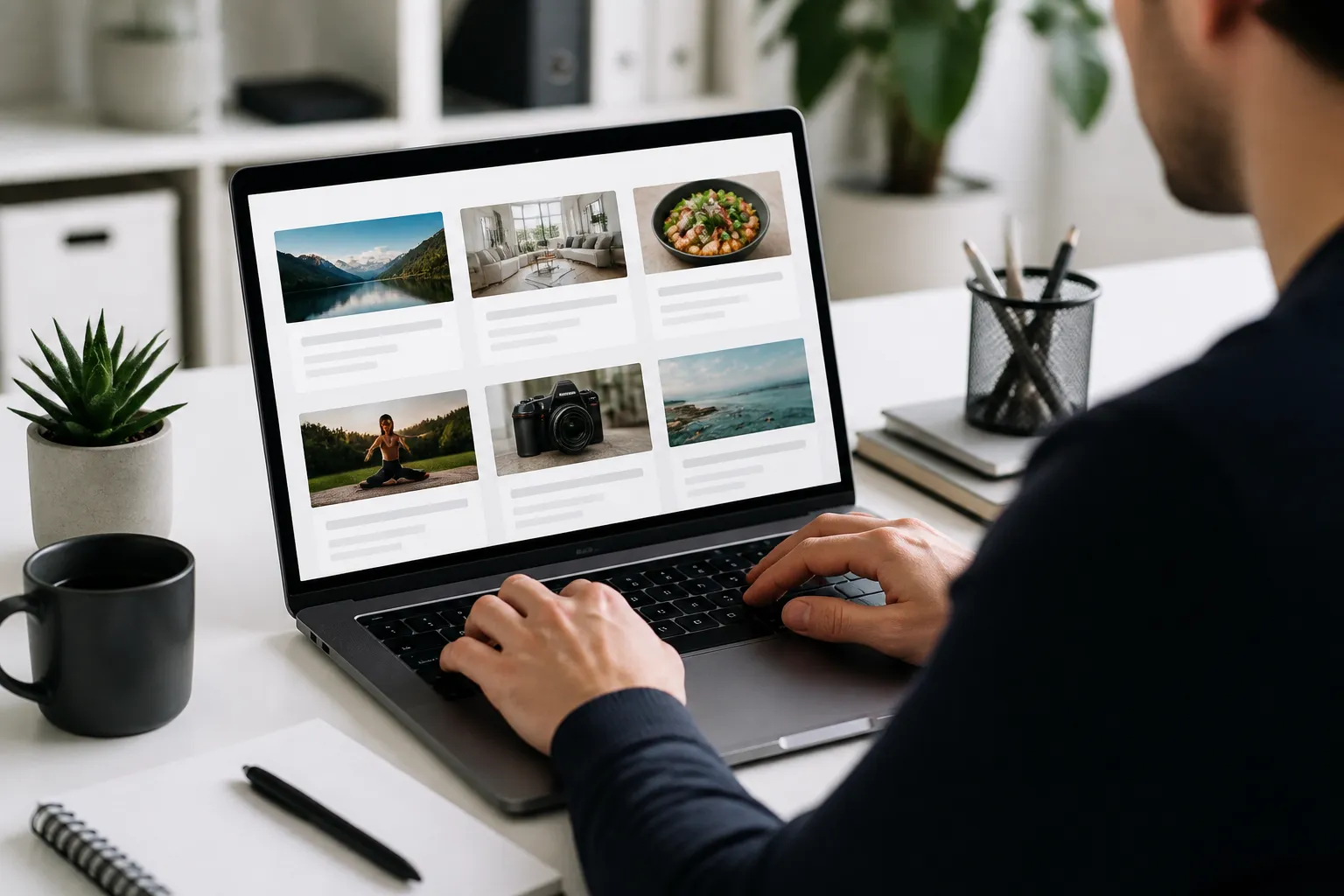
Replace placeholder branding with a memorable name, suitable logo, consistent color palette, and readable font choices. Do not sacrifice clarity for decoration. Your visual identity should support recognition while keeping important information easy to scan.
Rewrite every page in your natural voice. Remove exaggerated promises, vague filler, and claims you cannot support. Add practical details that demonstrate understanding, including process explanations, service boundaries, pricing guidance, timelines, examples, and answers to common concerns.
Use original or properly licensed images. Where possible, show your team, work, products, environment, or customers with permission. Authentic visual evidence often communicates more than polished stock photography. Optimize image dimensions and file sizes so quality and performance remain balanced.
Improve the User Journey
Arrange each page around a visitor’s questions. What is offered? Who is it for? Why should someone trust you? What happens next? Make calls to action visible but not aggressive. A visitor who is still learning may prefer an article or guide, while a ready buyer may want a clear purchase or booking button.
Connect related pages with helpful internal links. An educational article can lead to a service page, an FAQ can lead to a contact form, and a comparison page can lead to a recommendation with transparent disclosure. This structure helps visitors continue naturally rather than reaching a dead end.
Content and Marketing Strategy
A premade website becomes more valuable when supported by consistent, audience-centered content. Create a list of questions customers ask before, during, and after purchasing. Turn those questions into articles, videos, checklists, case studies, newsletters, or downloadable resources.
Prioritize usefulness over volume. A detailed guide that genuinely solves a problem is usually more valuable than several short pages written only to insert keywords. Use clear headings, concise paragraphs, descriptive page titles, and straightforward language. Cite reliable sources when discussing health, finance, safety, law, or other sensitive subjects.
Search optimization should begin with relevance. Research the phrases your audience uses, but write for humans first. Include important terms naturally in titles, headings, introductions, image descriptions, and links. Avoid stuffing keywords or copying competitors. Search performance develops through helpful content, technical health, reputation, and patience.

Email marketing can give you a direct relationship with visitors. Offer a useful resource in exchange for permission to communicate, explain what subscribers will receive, and send consistently. Respect privacy requirements and provide an easy unsubscribe option. Social media can increase visibility, but your website should remain the central destination you control.
Trust, Compliance, and Security
Persuasive design must be supported by honesty. Display accurate contact details, explain your policies, identify business ownership where appropriate, and make purchasing terms easy to find. Testimonials should be genuine and presented with permission. Never invent reviews, qualifications, results, or scarcity.
Depending on your location and industry, you may need privacy notices, cookie information, accessibility considerations, refund terms, affiliate disclosures, or professional disclaimers. A website provider may supply templates, but you remain responsible for ensuring that published information suits your circumstances. Seek qualified legal advice when requirements are complex.
Protect the website with strong unique passwords, limited administrator access, reputable hosting, regular backups, software updates, and security monitoring. Use an encrypted connection and review forms regularly. A trustworthy experience includes protecting visitor information as carefully as you protect your own business data.
Measuring and Improving Results
Install appropriate analytics and define meaningful goals. Track actions such as contact submissions, purchases, bookings, downloads, newsletter registrations, and engaged visits. Traffic alone does not demonstrate success. A smaller audience that consistently takes valuable actions may be more beneficial than a large audience that leaves immediately.
Review performance regularly. Which pages attract visitors? Where do users exit? Which calls to action receive attention? Are mobile visitors completing forms? Use these observations to make focused improvements. Test one meaningful change at a time when possible, such as a headline, form length, button wording, or page arrangement.
Remember that early results may be modest. A new domain needs time to earn visibility, and an unfamiliar brand needs repeated exposure. Continue publishing, collecting feedback, serving customers well, and refining your message. A premade website accelerates the starting point, but durable growth comes from disciplined follow through.
Frequently Asked Questions
Is a premade niche website suitable for beginners?
Yes. It can reduce technical barriers and provide an organized learning environment. Beginners should still expect to customize content, understand basic hosting and security, and learn how their audience makes decisions. Support and clear documentation make the process substantially easier.
Can I change the design later?
Usually, yes, although the extent depends on the platform, theme, and provider. Colors, fonts, images, menus, and page layouts are commonly adjustable. Ask about major redesigns before buying, especially if you expect to add ecommerce, memberships, booking, or advanced integrations.
Is the website guaranteed to rank in search engines?
No ethical provider can guarantee rankings. Search visibility depends on competition, content quality, technical performance, backlinks, user satisfaction, location, and continuing optimization. A well-built site provides a stronger foundation, but results require ongoing work.
Can I use the site for affiliate marketing?
Many niche websites can support affiliate marketing, provided your recommendations are relevant, transparent, and compliant with applicable rules. Read program terms, disclose relationships clearly, avoid misleading claims, and prioritize products you can reasonably evaluate or explain.
Do I need professional writing?
Professional writing helps, but you do not need complicated language. Clear, accurate, audience-focused writing is more important than impressive vocabulary. You can draft your ideas yourself, edit carefully, or hire a writer who understands your customers and industry.
How quickly can I launch?
The timeline depends on customization, domain and hosting setup, product preparation, legal review, integrations, and your availability. A simple informational site may launch quickly, while an online store or regulated service requires more testing. Launch when essential information is accurate and the main visitor journey works.
What if my niche is competitive?
Competition can indicate demand, but you need a specific angle. Focus on a defined audience, location, use case, price range, experience level, or distinctive method. Narrow positioning can help you create more relevant content and develop stronger relationships than a broad generalist approach.
Conclusion
Premade niche websites offer a practical route from idea to online presence. They combine speed, structure, professional presentation, and flexibility, allowing you to avoid many repetitive early tasks while concentrating on customers and growth. Their real value appears when you treat the website as a foundation rather than a finished business.
Choose a niche with genuine demand and a clear audience. Examine the provider’s inclusions, ownership terms, support, licensing, performance, and maintenance responsibilities. Then customize the branding, rewrite the content, strengthen trust signals, connect useful pages, and create a realistic marketing plan.
The strongest results will come from consistent improvement. Publish information that helps people, measure meaningful actions, protect visitor data, respond to feedback, and refine your offers as you learn. A premade site cannot replace expertise, service, or persistence, but it can remove unnecessary friction and help those strengths become visible sooner.
If you are ready to build a focused digital business, a carefully selected premade niche website can provide the momentum, clarity, and professional foundation needed to begin confidently. With thoughtful customization and ongoing care, it can grow from a ready-made framework into a valuable, recognizable, and sustainable online asset.
WP AI Autoblogging Beginners Guide

Best WordPress AI Autoblogging Plugin

WP Learning 101

Free YouTube Backlink Generator Software

Latest Product