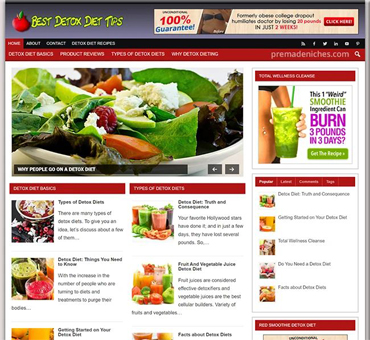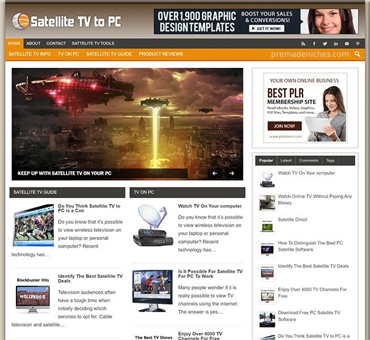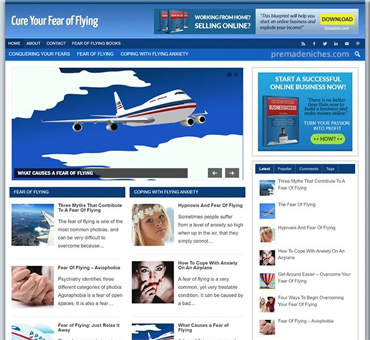


Premade niche websites offer a practical starting point for people who want to build an online business without designing every page, writing every piece of copy, or configuring every technical setting themselves. A niche site is built around a focused audience and subject, such as home fitness, gardening, personal finance education, travel accessories, pet care, or a specialized hobby. A premade version usually arrives with an established structure, branding, sample content, and selected tools, allowing the owner to concentrate on publishing, promotion, and customer service.
That speed is valuable, but it should not be confused with instant income. A website becomes commercially useful when its owner improves the content, verifies claims, understands the audience, earns trust, and develops a realistic traffic strategy. The strongest premade niche websites reduce setup friction while leaving room for thoughtful customization. They are best viewed as foundations rather than finished businesses.
Premade Niche Websites: What a Premade Niche Website Includes
The exact package varies by provider, so inspect the offer before purchasing. A typical site may include a domain name, hosting connection, responsive design, navigation menus, legal page templates, basic search settings, and a collection of starter articles. Some packages also include product comparison tables, email signup forms, affiliate link areas, social media graphics, or a simple publishing guide.
The design should support the niche rather than merely look attractive. A site about outdoor equipment may need comparison layouts and clear specification tables, while a recipe site benefits from readable instructions, category filters, and prominent photography. A service-focused niche may require inquiry forms, appointment links, testimonials, and location information. Features are useful only when they help visitors complete a specific task.
Starter content can save substantial time, but it requires careful review. Check whether every article is original, accurate, current, and appropriate for the intended audience. Replace vague introductions with practical guidance. Correct unsupported statements, remove unnecessary promotional language, and add disclosures where affiliate relationships exist. Treat supplied text as editable material, not as proof that the site is ready for publication.
Why Buyers Choose Premade Sites
The main advantage is reduced complexity. Building a website from an empty installation involves choosing a platform, organizing categories, selecting a theme, creating brand elements, configuring forms, and solving small technical problems. A premade site assembles many of those decisions in advance. This helps beginners make progress and allows experienced marketers to test a concept more quickly.
Speed can also improve consistency. When colors, typography, page layouts, and menus already work together, owners are less likely to publish a collection of disconnected pages. A coherent presentation makes the business easier to understand. Visitors can identify the subject, find related information, and move toward an appropriate action, such as reading another guide, joining an email list, or viewing a recommended product.
A premade site may provide a useful learning environment. New owners can study how pages are organized, how calls to action are placed, and how categories support internal navigation. Instead of learning every tool before publishing anything, they can learn through a functioning example. That practical experience often makes later improvements more informed.
The tradeoff is reduced originality at the beginning. Similar packages may be sold to multiple buyers, and generic content may not distinguish one owner from another. Customization is therefore not optional if the goal is durable growth. The site should develop a recognizable point of view, a clear audience promise, and content that answers questions competitors overlook.
Choosing the Right Niche
A promising niche sits at the intersection of audience need, owner capability, and sustainable monetization. Start by identifying a group of people with recurring questions or problems. Then assess whether you can understand their language, evaluate relevant products, and create genuinely helpful explanations. Personal interest is useful, but commercial potential alone is not enough if you cannot maintain the subject responsibly.

Examine the niche’s content depth. A narrow topic can be attractive when it has several connected subtopics, but it becomes limiting if the site can produce only a few articles. For example, a website about balcony gardening might cover containers, soil, lighting, plant selection, pest prevention, watering, seasonal planning, and tool comparisons. This creates opportunities for related pages without becoming unfocused.
Consider the level of trust required. Topics involving health, law, investing, safety, or essential services demand especially careful research and qualified review where appropriate. A premade design cannot compensate for weak expertise or careless advice. In sensitive categories, educational content should acknowledge limitations and direct readers to suitable professionals or authoritative guidance.
Review monetization options before committing. Possible models include affiliate recommendations, digital downloads, advertising, lead generation, memberships, sponsored content, and physical products. Each model has different requirements. Affiliate content needs transparent disclosures and honest comparisons. Lead generation needs a clear value exchange and responsible handling of contact information. Advertising requires enough useful content and visitor engagement to avoid making the site feel crowded.
Evaluating a Premade Website Before Purchase
Begin with ownership and access. Confirm who controls the domain, hosting account, website files, content management system, analytics, and email tools. You should receive a practical path to manage the site independently. Avoid arrangements where a provider retains essential access indefinitely or makes ordinary edits dependent on unclear fees.
Inspect the theme on a mobile device, not only on a desktop screen. Menus should be understandable, text should remain comfortable to read, buttons should be usable, and images should not distort the layout. Accessibility also matters: strong contrast, descriptive link labels, logical headings, and keyboard-friendly interactions improve the experience for many visitors.
Ask how content and images were sourced. Images should be licensed for the intended use, and text should not be copied from other websites. Request clarification about any stock media, commercial plugins, templates, and recurring subscriptions. A low initial price can become less attractive when essential tools require multiple ongoing payments.
Look for a clear update process. Platforms, themes, and plugins need maintenance, but updates can occasionally create conflicts. Find out whether backups are available, whether security monitoring is included, and who handles technical problems. If support is limited to installation, budget time or money for future maintenance.
Request evidence of actual deliverables rather than relying on broad promises. A phrase such as “search optimized” may mean only that headings and metadata fields exist. It does not guarantee traffic, rankings, or sales. Similarly, “ready to monetize” may describe a layout rather than approved participation in any advertising or affiliate program.
Customizing the Site for Real Visitors
Customization should begin with positioning. Write one sentence explaining whom the site serves, what problem it addresses, and why the visitor should trust its guidance. This statement can shape the homepage, navigation, article topics, and calls to action. A focused promise is more persuasive than a broad claim to cover everything.

Create an editorial map before adding random posts. List major categories, then group related questions beneath each one. Include introductory guides for newcomers, practical tutorials, comparison pages, troubleshooting articles, and deeper resources. Link these pages deliberately so readers can move from a general explanation to a specific decision.
Revise the visual identity with restraint. Choose a consistent logo treatment, color palette, image style, and voice. The objective is recognition and clarity, not decoration. A calm design may suit educational financial content, while a lively palette could fit children’s crafts. Whatever the choice, preserve readable text and avoid distracting animation.
Improve trust pages. An About page should explain the site’s purpose and editorial standards. A Contact page should provide a workable method of communication. Privacy and disclosure pages should accurately describe data practices and commercial relationships. Do not copy legal language blindly; requirements differ by jurisdiction and business model, so professional advice may be appropriate.
Add useful conversion points. An email form can offer a relevant checklist, buying guide, or beginner course. A recommendation page should explain selection criteria, limitations, and alternatives. Calls to action should tell visitors what happens next. Avoid placing aggressive popups or repeated buttons before the reader has received meaningful value.
Building Traffic and Revenue
Traffic usually develops through several complementary channels. Search-focused content can attract people seeking answers, but it requires patience and ongoing improvement. Social platforms may help distribute visual or timely material, while communities and newsletters can create direct relationships. Partnerships with relevant creators, organizations, or businesses may also introduce the site to an established audience.
Content quality depends on usefulness, not length alone. Answer the central question early, define unfamiliar terms, show practical examples, and identify exceptions. Use headings that reflect real questions. Include tables or checklists when they make comparison easier. Update pages when products, policies, technologies, or recommendations change.
Measure behavior rather than celebrating empty activity. Useful indicators may include engaged visits, email subscriptions, outbound clicks, qualified inquiries, repeat visitors, and completed purchases, depending on the business model. A page with modest traffic but strong engagement may deserve more attention than a popular page that produces no meaningful action.
Revenue should be tested gradually. Start with one or two relevant offers and explain them honestly. Compare alternatives instead of presenting every promoted product as the best choice. Track links and record which pages generate responses. If readers repeatedly ask questions that the site does not answer, those questions may reveal opportunities for new content, services, or products.
Do not depend on a single platform. Algorithm changes, policy updates, account suspensions, or product cancellations can reduce income unexpectedly. An email list, downloadable resources, direct partnerships, and diversified offers provide greater resilience. Ownership of your domain, data, and audience relationship is a strategic advantage.
Common Mistakes to Avoid
One frequent mistake is publishing the supplied content unchanged. Generic articles often lack firsthand context, distinctive examples, and a clear editorial perspective. Rewrite important pages in a consistent voice and add information that helps readers make decisions.
Another mistake is choosing a niche solely because it appears profitable. Competitive markets may require substantial expertise, promotion, and patience. A smaller audience with a clear unmet need can offer a more realistic path than a huge subject dominated by established publishers.
Neglecting compliance can damage trust and create avoidable risk. Disclose affiliate relationships, respect copyright, obtain permission for protected material, and handle personal information responsibly. Do not make health, financial, legal, or safety claims beyond your competence. When rules are uncertain, consult an appropriate professional.
Technical neglect is equally costly. Broken forms, expired certificates, missing backups, slow pages, and outdated plugins can undermine a polished launch. Establish a monthly maintenance routine that includes software updates, backup checks, link testing, analytics review, and contact-form testing.
Finally, avoid measuring success too soon. A website may need time to accumulate useful content, establish credibility, and reveal which topics attract the right visitors. Set practical milestones, such as completing a content foundation, securing initial subscribers, improving selected pages, or validating a revenue offer. Review progress regularly and change direction when evidence supports it.
A Practical Launch Plan
During the first week, confirm ownership, access, backups, subscriptions, licensing, and basic settings. Remove placeholder text and test every important link. Make a list of missing information rather than trying to perfect the entire site immediately.
During the next few weeks, define the audience promise, revise core pages, and publish a small group of connected articles. Build navigation around visitor needs. Add contact, privacy, disclosure, and About pages. Configure measurement tools so you can observe behavior without collecting unnecessary personal information.
After the foundation is stable, promote consistently. Share useful excerpts, answer relevant questions, contact potential partners, and invite early readers to join an email list. Use feedback to improve confusing pages. Test one change at a time when possible, so you can understand what influenced results.
After the first month, review content performance and operational effort. Identify pages that attract attention but fail to guide visitors, pages that answer valuable questions but receive little exposure, and offers that generate interest without converting. Improve the most promising gaps before expanding into unrelated subjects.

Questions Buyers Commonly Ask
Are premade niche websites worth buying?
They can be worthwhile when they save setup time, provide legitimate assets, and match your ability to improve the business. They are less attractive when the package relies on duplicate content, vague promises, locked access, or expensive recurring services. Judge the foundation, not the marketing language.
Can a premade site make money immediately?
There is no dependable guarantee of immediate income. Revenue depends on audience demand, content quality, traffic, trust, compliance, and the selected business model. A premade site may shorten preparation, but it does not replace promotion or useful work.
Do I need technical skills?
Basic skills help, but you do not need to be a developer for many platforms. You should understand how to edit pages, manage users, create backups, update tools, and troubleshoot simple issues. For advanced customization or security problems, paid assistance may be sensible.
Should I change the name and design?
Usually, meaningful customization is advisable, especially if similar sites may exist. Change the positioning, brand elements, core pages, examples, and editorial voice. Preserve components that improve usability, but do not keep generic material merely because it was included.
How many articles should I publish?
There is no universal number. Begin with enough connected material to serve the audience’s main beginner questions and support your intended offer. Depth, accuracy, and internal coherence matter more than reaching an arbitrary publishing target.
Which monetization method is best?
The best method depends on audience intent and your capabilities. Product recommendations suit decision-focused visitors, while services or lead generation may fit specialized expertise. Digital products can improve control, but they require creation, support, and clear value. Test carefully rather than adding every model at once.
Can I use the included images and text?
Only if the license or transfer terms allow your intended use. Ask for documentation, especially for commercial publication. Replace assets with uncertain ownership. Copyright responsibility remains important even when material arrives inside a package.
What should I do first after buying?
Secure your accounts, confirm ownership, create backups, inspect every page, and remove inaccurate or unfinished material. Then define the audience promise and build a short editorial plan. These steps reduce risk before you invest heavily in promotion.
Conclusion
Premade niche websites are efficient starting points for focused online projects. They can reduce technical barriers, organize a brand, and provide a working framework for content and monetization. Their value depends on what happens after purchase. Careful evaluation protects you from weak assets and restrictive agreements; thoughtful customization gives the site a distinct identity; consistent publishing and measurement turn a template into a useful business property.
Choose a niche you can serve responsibly, verify every included asset, and treat claims about income or traffic with appropriate skepticism. Improve the site around real visitor questions, diversify audience relationships, and maintain the technical foundation. Used this way, a premade website is not a shortcut that removes the need for judgment. It is a practical head start that gives your judgment, effort, and expertise a stronger place to begin.
WP AI Autoblogging Beginners Guide
Best WordPress AI Autoblogging Plugin

WP Learning 101

Free YouTube Backlink Generator Software

Latest Product