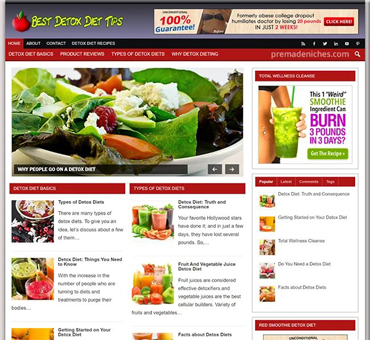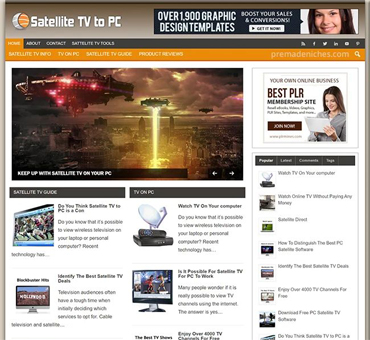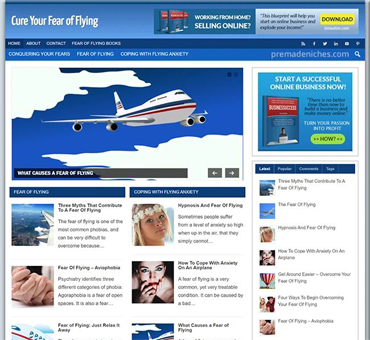


Turnkey WordPress Websites: What a turnkey WordPress website includes
by in Turnkey & Ready-Made WordPress Websites onA turnkey WordPress website is a prepared, professionally structured website that can be launched with minimal technical work. Instead of beginning with an empty dashboard, you receive a functioning foundation containing a suitable theme, essential pages, navigation, responsive layouts, and commonly needed tools. You then add your branding, content, products, services, and contact details.
This approach is valuable for entrepreneurs, consultants, local businesses, creators, nonprofit organizations, and small teams that need a credible online presence without managing every development task themselves. It does not mean every website is identical or that no decisions remain. Rather, turnkey means the complicated starting work has been organized, completed, and made easier to customize.
A strong turnkey WordPress website should be attractive, usable, adaptable, and clear about what is included. Before choosing one, examine the design, editing process, performance expectations, licensing, support, security responsibilities, and future flexibility. The cheapest option is not always the most efficient if it requires extensive correction after launch.
Turnkey WordPress Websites: What a turnkey WordPress website includes
The exact package varies by provider, but a complete solution usually combines several foundational elements.
A prepared design system
The website normally includes a selected WordPress theme or a custom theme framework. This controls visual details such as typography, colors, spacing, buttons, headers, footers, and page layouts. A good design system creates consistency across the site while leaving enough flexibility for your identity.
Templates may be supplied for a homepage, about page, service pages, blog, contact page, portfolio, testimonials, pricing, or online shop. You should confirm whether these are full, editable templates or simply visual demonstrations that must be rebuilt.
Essential pages and navigation
A turnkey site commonly includes a logical menu and starter content. Pages may be populated with instructional text, placeholder images, sample calls to action, and sections explaining what visitors should do next. This structure gives you a practical model for replacing sample material with accurate information.
The website should also include a footer, contact pathway, social links where relevant, and a search-friendly URL structure. Legal pages may be supplied as templates, but they should not be treated as automatically compliant. Privacy, cookie, accessibility, and business requirements differ by location and purpose, so appropriate professional advice may be necessary.
Core functionality
Most packages include features such as contact forms, image galleries, blog publishing, spam protection, basic search-engine settings, and responsive behavior. Business or commerce packages may add appointment booking, payments, product catalogs, memberships, or email marketing connections.
These functions often depend on plugins. Ask which plugins are required, whether they are free or paid, who owns the licenses, and what happens when a subscription ends. A website can appear complete while quietly depending on licenses that you must renew.
Why businesses choose a turnkey approach
The main advantage is reduced friction. Planning a website from scratch requires decisions about hosting, themes, page structure, plugins, content organization, accessibility, analytics, backups, and maintenance. A prepared website gives you a coherent starting point rather than a long list of unrelated choices.
Speed is another benefit. A business can concentrate on refining its message and preparing images while the technical framework is assembled. Faster launch does not guarantee better results, but a shorter setup period can help an organization begin collecting inquiries, publishing useful information, or testing an offer sooner.
A turnkey site can also reduce uncertainty for people without development experience. Clear templates make it easier to understand where content belongs. Reusable sections reduce design inconsistencies, and a guided setup may prevent common errors such as missing mobile layouts or confusing navigation.
The approach can be cost-effective when the included structure matches your needs. You are not paying only for pages; you are also receiving decisions, reusable components, configuration, and a tested workflow. However, value depends on suitability. A polished package built for an online store may be excessive for a simple consultant website, while a basic brochure package may not support complex bookings.
Choosing the right package
Begin with your primary goal. A service business may need persuasive service pages, inquiry forms, testimonials, local information, and a strong mobile experience. A creator may prioritize a portfolio, newsletter signup, digital downloads, and a publishing workflow. An online retailer needs product management, payments, shipping settings, order notifications, and customer support processes.
List required features before comparing designs. Separate essential functions from attractive extras. For example, a contact form may be essential, while animated transitions may be optional. This distinction protects your budget and helps prevent a visually impressive site from distracting you from business requirements.
Review the editing experience. WordPress can be managed through different editors, including the block editor, site editing tools, and third-party builders. A builder may offer convenient visual controls, but it can add complexity or create dependence on a specific product. Ask to see how a nontechnical user changes a heading, replaces an image, adds a page, and updates a menu.
Examine responsive behavior on small screens. Visitors may encounter your site on phones with limited bandwidth, so text should remain readable, buttons should be easy to tap, and layouts should not require awkward horizontal scrolling. Request demonstrations of real pages rather than relying only on desktop screenshots.
Check ownership and access. You should receive administrator access, hosting information, domain control, theme and plugin details, and an explanation of all recurring costs. If someone else controls these assets, moving providers later may become difficult.

Questions worth asking before purchase
Ask what is customized and what is reused. Reused components are not automatically inferior, but you need to know whether competitors could receive an almost identical site. Ask how many revision rounds are included, which content you must supply, and whether image selection or copywriting is part of the service.
Clarify launch support. Will the provider connect your domain, configure email, test forms, install analytics, and verify backups? Are training materials or a handover call included? Also ask how urgent issues are handled after launch and whether support is included for a defined period or billed separately.
Confirm the cancellation process for subscriptions. If a provider licenses a theme or plugin on your behalf, determine whether your site continues functioning when the agreement ends. Written answers are preferable to assumptions.
Customization without losing consistency
A turnkey design should be a framework, not a cage. Start by replacing sample branding: upload a clear logo, choose accessible brand colors, and select typefaces that remain legible at different sizes. Use a limited palette with strong contrast rather than adding many decorative colors.
Next, rewrite the homepage around visitor needs. Explain who you help, what problem you solve, why your approach matters, and what action visitors should take. A headline should be specific enough to orient a new visitor. Supporting sections can address benefits, process, evidence, frequently raised concerns, and the next step.
Replace generic images with visuals that genuinely support your message. Product photographs, team images, diagrams, project examples, or location images can create relevance. Compress files responsibly, provide descriptive alternative text when appropriate, and avoid using photographs that imply services or results you do not actually provide.
Keep layout patterns consistent. If one page uses a particular heading hierarchy, button style, and spacing rhythm, repeat those choices elsewhere. Consistency helps visitors learn how the website works and makes future editing easier.
Content and conversion essentials
A website is not effective merely because it is complete. Its content must answer practical questions. Visitors commonly want to know what you offer, who it is for, how the process works, what it costs or how pricing is determined, why they should trust you, and how to begin.
Organize pages around those questions. Service pages should describe outcomes without making unsupported promises. Include scope, limitations, process details, and a clear invitation to inquire. Portfolio pages should explain the context of each example rather than displaying images without interpretation.

Use calls to action that match visitor readiness. “Request a consultation” may suit a considered service, while “View the menu” or “Download the guide” may be more appropriate elsewhere. Repeating one relevant action is often clearer than presenting several competing buttons.
Forms should collect only information needed for the first response. Explain what happens after submission and provide an alternative contact method when practical. Test confirmation messages, notification delivery, spam controls, and mobile usability before launch.
Performance, accessibility, and search foundations
Performance is influenced by hosting, theme construction, plugins, images, scripts, and third-party services. A turnkey package may be optimized, but you should still ask what testing was performed and what maintenance is expected. Large images, excessive animations, and unnecessary plugins can slow pages.
Accessibility should be considered from the beginning. Use meaningful heading levels, sufficient color contrast, keyboard-accessible controls, visible focus indicators, descriptive link text, and alternative text where it conveys useful information. Automated checks can identify some issues, but they cannot judge every experience. Content should also be plain enough for visitors to understand.
Search visibility begins with useful, organized information rather than a promise of instant rankings. Give each important page a clear purpose, descriptive title, readable address, and concise summary. Connect related pages with meaningful links. Keep business details accurate and maintain a publishing process if fresh information benefits your audience.
Analytics can help you understand visits, engagement, and completed actions, but install only tools you can use responsibly. Explain relevant data practices through appropriate notices and follow applicable privacy requirements. Measurement should support decisions, not become a substitute for improving the customer experience.
Security and maintenance responsibilities
WordPress maintenance continues after launch. Keep the core software, themes, and plugins updated through a controlled process. Before major updates, maintain a recent backup and know how restoration works. A backup that has never been tested may not provide dependable protection.
Use strong, unique administrator credentials and enable additional protection when available. Give contributors only the permissions they need. Remove unused accounts, plugins, and themes, because unnecessary components increase administrative complexity.
Ask whether the package includes managed maintenance or leaves it to you. Managed service can be worthwhile for owners who do not want to monitor updates, backups, uptime, and security alerts. If maintenance is self-managed, establish a recurring schedule and document who handles problems.

Keep copies of original brand files, written content, images, licenses, and configuration details outside the website. This makes future edits and migrations more manageable. Also maintain domain renewal access and ensure important email addresses are not dependent on a single individual.
Launch checklist
Before publishing, review every page on a phone, tablet, and desktop-sized screen. Click menus, buttons, internal links, social links, and downloadable files. Submit each form and confirm that messages reach the intended recipient.
Proofread headings, labels, prices, addresses, opening hours, product details, and contact information. Replace every sample statement and stock image that does not accurately represent your organization. Check that page titles and descriptions are sensible, and confirm that your preferred domain is connected correctly.
Test redirects if an existing website is being replaced. Preserve important addresses where possible, because broken links can frustrate returning visitors and disrupt established pathways. Tell staff how inquiries, orders, comments, or booking requests will be handled after launch.
Create a simple post-launch plan. Schedule content reviews, check performance and forms periodically, update offerings promptly, and record changes to plugins or settings. A launch is a beginning, not the end of website ownership.
Common limitations and tradeoffs
Turnkey websites save time, but convenience can involve constraints. A package may use a standard layout that cannot accommodate unusual workflows. Custom functionality may require additional development, and adding many plugins can increase maintenance needs.
The provider’s process may also shape your site more than your strategy does. If you accept sample copy without thoughtful revision, your website may sound generic. If you choose a theme solely for appearance, its editing experience or performance may later frustrate you.
Migration is another consideration. Some builders use proprietary elements that are difficult to reproduce elsewhere. Before committing, ask whether content remains accessible if you change themes or providers. WordPress itself is portable, but individual designs, plugins, and configurations may not transfer cleanly.
These limitations do not make turnkey websites a poor choice. They simply make fit important. Choose a prepared solution when your needs are reasonably defined and the included system supports your likely growth. Choose a more custom project when your business depends on unusual integrations, complex user accounts, advanced data handling, or a highly distinctive interaction model.
FAQ
Is a turnkey WordPress website ready immediately?
Usually, it is ready for configuration rather than instant publication. You still need to provide accurate content, branding, contact details, legal information, domain access, and business decisions. The more prepared your materials are, the smoother the launch will be.
Can I edit the website myself?
Most turnkey websites are designed for owner editing. Your experience depends on the theme, builder, and training supplied. Request a demonstration before purchase and confirm that ordinary tasks can be completed without code.
Does turnkey include hosting and a domain?
Not necessarily. Some packages include hosting, while others require you to arrange it separately. A domain may also be excluded or registered under a different account. Confirm ownership, renewal charges, storage limits, email arrangements, and migration options in writing.
Are plugins included?
Many packages use plugins for forms, search settings, commerce, backups, or design features. Some are free, and others require subscriptions. Identify every dependency and understand who handles updates, renewals, compatibility issues, and license transfers.
Will a turnkey website rank well in search results?
No website can responsibly guarantee rankings. A prepared site can provide sound structure, but visibility also depends on useful content, technical quality, competition, reputation, links, location, and ongoing improvement. Treat search optimization as a continuing activity.
Can I add online selling later?
Possibly, if the foundation, hosting, theme, and payment setup support it. Adding commerce may require new templates, policies, taxes, shipping rules, security practices, and customer support processes. Discuss future plans before selecting a basic package.
Who owns my content and website?
Ownership depends on your contract and account arrangement. You should retain control of your domain, original content, brand assets, and administrator access. Read terms carefully, especially where proprietary builders, licensed assets, or subscription services are involved.
What happens if I need changes after launch?
Providers may offer support hours, revision periods, maintenance plans, or separate project rates. Ask for a clear process and response expectations. Small content edits and substantial new functionality should normally be treated as different types of work.
Conclusion
Turnkey WordPress websites provide a practical path from idea to functioning online presence. Their greatest value is not simply speed; it is the combination of structure, design decisions, essential configuration, and a clearer editing process. For a small business or organization with conventional needs, that foundation can reduce wasted effort and make professional presentation more attainable.
The best choice is the package that fits your goals, not merely the one with the most features. Evaluate ownership, editing, responsiveness, accessibility, performance, security, plugin dependencies, support, and future expansion. Prepare accurate content, test the complete experience, and establish maintenance responsibilities before launch.
When the foundation is appropriate and the handover is transparent, a turnkey website becomes more than a finished template. It becomes a manageable business tool: one you can update, measure, improve, and use confidently as your work develops.
WP AI Autoblogging Beginners Guide

Best WordPress AI Autoblogging Plugin

WP Learning 101
Free YouTube Backlink Generator Software

Latest Product