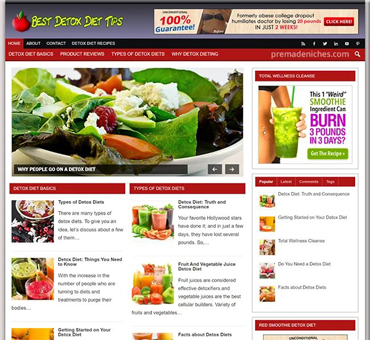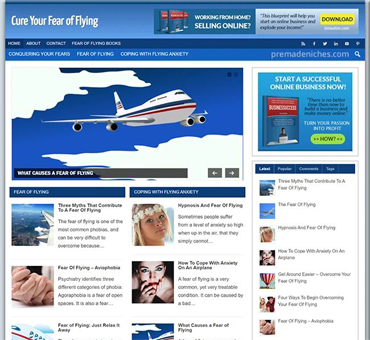


Turnkey WordPress Websites Built for Fast Business Growth
by in Turnkey & Ready-Made WordPress Websites onTurnkey WordPress Websites: A Practical Route to Online Growth
Launching a professional website should create momentum, not months of uncertainty. Yet many businesses discover that building online involves far more than choosing colors and publishing a few pages. Strategy, hosting, design, copywriting, search optimization, security, analytics, and ongoing maintenance must work together. A turnkey WordPress website brings these essential elements into one coordinated solution, allowing you to begin with a polished, functional platform rather than an unfinished collection of tasks.
A turnkey website is prepared for immediate use. Depending on the provider and package, it may include planning, custom design, responsive development, page templates, written content, image selection, contact forms, integrations, performance configuration, training, and launch support. Instead of asking you to assemble separate specialists, it gives you a clear path from initial idea to reliable digital presence.
This approach suits entrepreneurs, service businesses, professional practices, ecommerce brands, nonprofits, consultants, and organizations replacing an outdated site. It is especially valuable when time, technical knowledge, or internal resources are limited. You retain ownership of your brand and business decisions while experienced professionals handle the technical coordination required to transform those decisions into a working website.
What a Turnkey WordPress Website Includes
The phrase “turnkey” should represent readiness, not vague promises. A strong solution begins with discovery. Your provider should learn about your audience, goals, competitors, services, sales process, and preferred customer actions. This information informs the structure and prevents a visually attractive website from becoming strategically ineffective.
Strategic planning
Planning normally produces a sitemap, content outline, functionality list, and launch schedule. The sitemap identifies important pages, such as Home, About, Services, Resources, Blog, Contact, privacy information, and legal notices. The content outline determines what each page must explain and what evidence can build trust. Functionality planning covers forms, bookings, payments, memberships, newsletters, maps, testimonials, and third-party connections.
Good planning also defines measurable outcomes. A local contractor may prioritize quote requests, while a course creator may need registrations and payment completion. A nonprofit may focus on donations and volunteer applications. When outcomes are stated early, design choices can support business performance instead of following fashion.
Custom design and responsive development
WordPress provides a flexible foundation, but a turnkey project should not look like an unchanged template. Your design can reflect your logo, colors, typography, photography, voice, and positioning. Clear visual hierarchy directs visitors toward useful actions, while consistent spacing and readable layouts make information easier to absorb.
Responsive development ensures the experience works across phones, tablets, laptops, and large screens. This matters because mobile visitors often represent a substantial share of traffic. Buttons should be easy to tap, forms should be short enough to complete, and important information should remain visible without excessive scrolling. Accessibility considerations, including contrast, headings, keyboard navigation, labels, and descriptive image text, make the site more usable for everyone.

Content preparation
Visitors need answers before they need design. Professional content explains what you offer, whom you serve, why your approach matters, and how a visitor can take the next step. Effective pages use specific benefits, credible evidence, plain language, and clear calls to action. They avoid exaggerated claims and replace general statements with details that help people make confident decisions.
Content may be supplied by your team, written by the provider, or developed collaboratively. A useful process includes interviews, research, review rounds, and editing for search intent. This creates a site that sounds authentic rather than generic. It also reduces the common problem of launching with attractive pages that say very little.
Technical configuration
A complete project may configure hosting, domain connections, SSL protection, backups, caching, image compression, spam controls, analytics, and search tools. Plugins can extend WordPress with valuable features, but they should be selected carefully. Too many poorly maintained extensions may slow a website, create conflicts, or increase security risk.
Technical quality is not visible in every screenshot, but it affects trust and results. Fast pages reduce frustration. Secure connections protect information. Reliable backups support recovery. Clean forms ensure inquiries reach the right person. Analytics reveal which pages attract attention and where visitors leave.
Launch and training
Launch should be treated as a controlled transition, not a single button press. Before publication, the team should check links, forms, spelling, metadata, responsive layouts, redirects, cookie notices, checkout processes, and tracking. A staging environment allows issues to be corrected without disrupting the current site.
Training helps you manage routine updates confidently. You should understand how to edit text, add images, publish articles, review submissions, and maintain basic settings. Documentation or recorded instructions can be particularly useful when multiple employees share responsibility.
Why Choose WordPress for a Turnkey Project?
WordPress is widely adopted because it combines an approachable editing experience with extensive flexibility. After launch, you are not locked into a proprietary system that only one provider can access. You can update content, add approved functionality, and work with another specialist if your circumstances change.
Its ecosystem supports nearly every business model. A brochure site can evolve into a resource center, appointment platform, membership community, online store, or multilingual publication. This does not mean every feature should be added immediately. A sensible provider recommends the simplest reliable solution for your current needs while leaving room for future growth.

WordPress also supports content marketing. Publishing helpful articles, guides, case studies, and frequently asked questions can answer prospects’ concerns and create opportunities to appear in search results. A well-organized content system makes these materials easier to manage consistently.
Ownership is another important advantage. Before signing, clarify who owns the domain, website files, content, design assets, licenses, and analytics data. A professional provider should explain these matters plainly. Ownership gives you long-term control and protects the investment represented by your website.
Business Benefits of a Turnkey Website
Faster time to market
Building independently often stretches across evenings and weekends. Decisions accumulate, technical problems interrupt progress, and launch dates move repeatedly. A turnkey process assigns responsibilities and establishes milestones, helping you reach customers sooner. Speed is valuable when entering a market, promoting a new service, or replacing a site that damages credibility.
Faster does not mean careless. The advantage comes from coordinated expertise, reusable processes, and clear approvals. You spend less time searching for solutions and more time reviewing meaningful decisions.
Stronger first impressions
People form opinions quickly when they visit a website. Confusing navigation, outdated imagery, slow loading, or inconsistent messages can suggest that a business is inattentive. A polished site communicates organization, competence, and consideration. It can also make a smaller company appear established without pretending to be something it is not.
Trust improves when design is supported by evidence. Testimonials, certifications, project examples, transparent pricing guidance, staff information, guarantees, and accessible contact details help visitors evaluate your offer rationally.
Better conversion opportunities
A website should guide visitors toward an appropriate next step. That step might be requesting a consultation, calling, booking an appointment, downloading a guide, joining a mailing list, or completing a purchase. Turnkey projects can map these journeys and place relevant calls to action throughout the site.
Conversion improvement is not merely a matter of adding larger buttons. It requires reducing uncertainty, answering objections, simplifying forms, presenting benefits clearly, and ensuring that confirmation messages explain what happens next. Small improvements compound when thousands of visitors interact with the site over time.
More manageable operations
Centralizing development, content structure, and technical setup reduces the burden on your team. Staff can focus on serving customers instead of troubleshooting incompatible plugins or rebuilding broken layouts. Maintenance plans may provide updates, monitoring, backups, security checks, content changes, and support.
Ask what maintenance includes, how quickly support responds, and whether emergency assistance costs extra. A clear service agreement is more valuable than a low initial price with undefined future obligations.
A foundation for measurable marketing
A website becomes more useful when it produces information. Analytics can show traffic sources, popular pages, device patterns, form completions, and conversion paths. Search data can reveal questions your audience asks. This evidence enables informed improvements rather than decisions based solely on personal preference.
Measurement should respect privacy and comply with relevant regulations. Collect only information you need, explain tracking transparently, and secure submitted data appropriately.
Choosing the Right Turnkey Provider
Not all turnkey packages offer the same depth. Review the provider’s portfolio, but look beyond visual style. Examine whether examples load quickly, work on mobile devices, communicate clearly, and support obvious business goals. Request references from clients with similar requirements.
Ask for a written scope. It should identify included pages, revision rounds, functionality, content responsibility, hosting, licenses, training, launch support, and post-launch assistance. Clarify what counts as additional work. This prevents misunderstandings when your expectations evolve.
Discuss process and communication. Who is your project contact? How often will you receive updates? How are approvals recorded? What happens if feedback is delayed? A reliable workflow makes collaboration easier and reduces expensive rework.
Evaluate technical practices. Does the provider use staging, backups, version control, security measures, and performance testing? Are plugins licensed and maintained? Will you receive administrator access? Does the provider explain accessibility and privacy requirements? Confident answers indicate maturity.

Price should be evaluated against value, not compared as a single number. A low quote may exclude content, testing, training, or maintenance. A higher investment can be sensible when it produces clearer messaging, better usability, stronger performance, and fewer future repairs. Request a breakdown so you can compare equivalent deliverables.
A Typical Project Process
Discovery and direction
The project starts by defining objectives, audiences, offers, competitors, brand preferences, and success measures. You may complete a questionnaire, attend a workshop, or participate in interviews. The output should be a practical direction document, not abstract jargon.
Structure and content
Next, the team creates the sitemap, wireframes, and content plan. Wireframes show placement and hierarchy before visual styling begins. This stage is an excellent opportunity to correct navigation and messaging because changes are less expensive than they are after development.
Design approval
Design concepts demonstrate how the brand will appear on key pages. Review readability, hierarchy, imagery, calls to action, and emotional tone. Avoid approving a design only because it looks impressive in a presentation. Ask how it will serve real visitors with real questions.
Development and integration
Approved designs are built in WordPress. Forms, payment tools, calendars, email systems, analytics, and other integrations are connected. Content is entered, images are optimized, and responsive behavior is tested.
Quality assurance and launch
Testing checks functionality, compatibility, speed, accessibility, security, and content accuracy. You should receive an opportunity to review a near-final version on desktop and mobile. After corrections, the site is connected to its domain and monitored during launch.
Improvement after launch
Launch is the beginning of learning. Review analytics, search performance, inquiries, and user feedback after the first several weeks. Improve unclear pages, strengthen calls to action, add useful content, and remove unnecessary friction. An active website is more valuable than a finished website that never evolves.
Frequently Asked Questions
How long does a turnkey WordPress website take?
Timing depends on page count, content readiness, design complexity, integrations, and approval speed. A focused informational site may take several weeks, while an ecommerce or membership project may require considerably longer. Ask for milestones rather than relying on a broad promise.
How much does it cost?
Costs vary according to strategy, design, writing, development, functionality, hosting, and support. Request an itemized proposal. Confirm whether taxes, premium plugins, stock imagery, migration, copy revisions, and ongoing maintenance are included.
Can I update the website myself?
Yes. WordPress is designed for content management, and training should make routine updates accessible. Providers can also create editing guidelines or restrict complex settings so that staff can work safely.
Will the website be optimized for search engines?
A responsible project should establish sound foundations, including logical structure, descriptive metadata, readable content, mobile usability, performance, indexing controls, and appropriate redirects. No provider can honestly guarantee a particular ranking, because search results depend on competition, relevance, authority, and continuing effort.
Can I use my existing domain?
Usually, yes. The domain can be connected to the new site while preserving ownership. Plan migrations carefully, especially when replacing an established website with valuable search visibility.
Is hosting included?
Some packages include managed hosting, while others require you to purchase hosting separately. Determine server resources, backup frequency, security monitoring, support boundaries, renewal costs, and cancellation procedures.
What happens if I need new features later?
WordPress can often be extended, provided the original site is built thoughtfully. Ask whether the architecture supports future additions and whether the provider offers development at published rates. Avoid installing every possible feature at launch; unnecessary complexity creates cost and maintenance obligations.
Who owns the finished website?
Ownership should be stated in the contract. Ensure you control the domain, administrative access, content, and transferable assets. Clarify the status of proprietary themes, plugin licenses, and custom code if you end the relationship.
Do I need a maintenance plan?
Regular maintenance is strongly recommended. WordPress core, themes, and plugins require updates, and websites need backups, monitoring, security attention, and occasional improvements. A maintenance plan reduces risk and keeps the platform dependable.
What should I prepare before starting?
Gather your logo files, brand guidelines, service information, customer questions, testimonials, project photographs, legal details, domain credentials, and examples of websites you admire. Also identify one decision maker and set aside time for timely feedback.
Conclusion
A turnkey WordPress website is more than a ready-made collection of pages. It is a coordinated business asset designed to explain your value, earn trust, generate action, and support future growth. By combining strategy, tailored design, useful content, dependable technology, testing, training, and maintenance, it removes much of the uncertainty associated with launching online.
The best investment begins with clear objectives and transparent expectations. Choose a provider that asks thoughtful questions, documents the scope, respects ownership, tests thoroughly, and treats launch as the beginning of improvement. Review proposals based on outcomes and long-term value rather than appearance or headline price alone.
When thoughtfully planned, your website can become a reliable member of your marketing and operations team. It works beyond business hours, answers common questions, reaches new audiences, and gives prospective customers a confident next step. A turnkey WordPress solution lets you focus on your expertise while a professional digital foundation helps more people discover, understand, and choose your business. That combination makes the project persuasive, practical, and worth building carefully.
WP AI Autoblogging Beginners Guide

Best WordPress AI Autoblogging Plugin

WP Learning 101
Free YouTube Backlink Generator Software

Latest Product