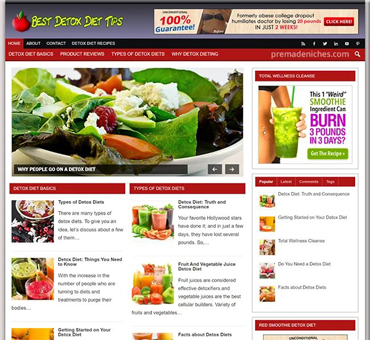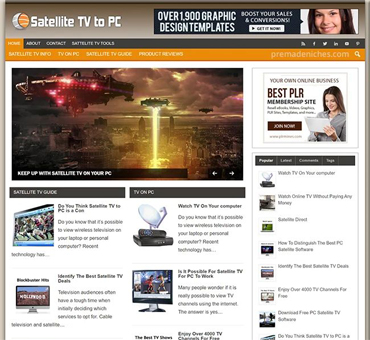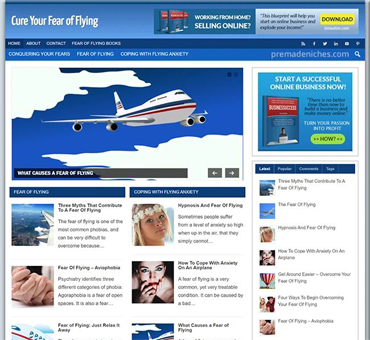


Premade Niche Websites: Build Momentum With a Premade Niche Website
Starting an online business often sounds simple: choose a topic, create a website, attract visitors, and earn revenue. In practice, every stage requires decisions about branding, structure, content, technology, and promotion. A premade niche website reduces that initial workload by providing a focused digital foundation that is ready for customization and launch.
A niche website serves a defined audience rather than attempting to appeal to everyone. It might cover home coffee equipment, beginner gardening, travel accessories, pet care, personal finance tools, or another carefully selected subject. The strongest examples combine a clear purpose, organized pages, useful content, mobile-friendly design, and pathways toward monetization.
Premade does not mean finished forever or guaranteed to earn money. It means the time-consuming starting framework has already been assembled. You can refine the brand, verify the information, add your own voice, and develop a marketing plan instead of beginning with an empty screen.
For aspiring entrepreneurs, that distinction matters. A blank website can delay action for weeks while technical details consume attention. A prepared site makes the next steps visible: understand the audience, improve the offer, publish helpful material, and test traffic channels. With disciplined work, it can become a practical platform for building a sustainable online business.
What a Premade Niche Website Includes
A quality premade website normally combines several foundational elements. The exact package varies, so buyers should inspect the offer carefully rather than assuming every provider supplies the same features.
Focused positioning
The website should be built around one recognizable subject and one audience. Clear positioning helps visitors understand the site immediately and helps you choose relevant products, articles, services, and promotional channels. A focused concept is usually easier to manage than a broad portal covering unrelated interests.
Website structure
A useful structure may include a homepage, category pages, article templates, contact information, an about page, legal pages, and navigation that connects related topics. Logical organization supports usability and gives search engines clearer signals about the relationship among pages.
Visual presentation
The design should look professional without creating unnecessary complexity. Consistent colors, readable typography, clear spacing, and prominent calls to action can make a new business appear credible. The layout should also work on phones, because many visitors will arrive through mobile devices.
Starter content
Some packages include articles, product descriptions, comparison pages, or introductory guides. Treat this material as a starting point, not an unquestioned asset. Check accuracy, originality, links, tone, and usefulness. Rewrite weak sections and add perspectives that reflect your intended audience.
Technical foundation
Depending on the platform, the package may include hosting setup, a domain connection, analytics integration, basic search optimization, contact forms, or ecommerce functionality. Confirm what is included, what requires additional fees, and what you will need to maintain yourself.

Why Entrepreneurs Choose Premade Sites
The main advantage is reduced friction. Building a site from scratch requires selecting software, choosing a theme, designing templates, writing initial pages, configuring menus, and solving technical issues. A premade option compresses these tasks into a review and customization process.
Speed can create a strategic advantage, but only when it leads to meaningful action. You can use the saved time to interview potential customers, evaluate competing sites, test content ideas, or create an email welcome sequence. The objective is not merely to publish quickly. It is to reach learning opportunities sooner.
A prepared website can also improve consistency. When page templates, categories, branding, and navigation are established, new content is less likely to become disorganized. Consistency makes the visitor experience easier to understand and gives you a repeatable publishing system.
For people with limited technical confidence, a ready-made framework can make online entrepreneurship feel more accessible. You still need to learn essential skills, including editing pages, monitoring performance, disclosing commercial relationships, and protecting accounts. However, you can learn those skills within a functioning environment rather than while constructing every component simultaneously.
A premade site may also support a clearer budget. You can estimate the purchase price, hosting, software subscriptions, content creation, advertising, and maintenance before launch. Compare that total with your available resources, and avoid financing a plan that depends on immediate revenue.
How to Evaluate a Premade Niche Website
A polished appearance is not enough. Evaluate the business opportunity, technical quality, ownership terms, and improvement potential before committing.
1. Examine the niche
Ask whether the topic solves recurring problems, supports useful products or services, and interests you enough to sustain regular work. Consider the audience’s questions, purchasing behavior, and level of competition. A niche can be commercially promising yet unsuitable if you cannot create trustworthy, original value.
2. Inspect the audience promise
The site should make a specific promise, such as helping new dog owners choose supplies or helping apartment residents grow herbs indoors. Vague promises produce vague content. A precise audience definition guides your language, examples, product selection, and promotional decisions.
3. Review every page
Open the navigation, forms, buttons, images, and external links. Look for spelling problems, unsupported claims, missing contact details, placeholder text, duplicate content, and pages that lead nowhere. Test the site on multiple screen sizes and browsers when possible.

4. Check ownership and access
Clarify whether you receive the domain, website files, platform account, design assets, content rights, email list, social profiles, and analytics data. Confirm whether the seller retains licenses or control. Full administrative access is important because dependence on a provider can limit future changes.
5. Understand customization
Find out whether you can change the logo, colors, menus, categories, articles, product links, tracking codes, and calls to action. A site that cannot evolve with your strategy may look inexpensive initially but become costly later.
6. Assess content quality
Content should answer real questions, demonstrate careful research, and offer clear next actions. Check dates, citations where appropriate, product claims, disclosures, and originality. If the material is generic, calculate the time and cost required to improve it before launch.
7. Investigate technical health
Use practical checks for loading performance, broken links, security settings, responsive behavior, indexing controls, and backup procedures. Ask how updates are handled. A technically neglected site can create frustration for visitors and expose your business to avoidable risks.
Turning the Site Into a Business
Buying a website is an acquisition of infrastructure, not a complete business model. Revenue depends on the fit between audience needs and your chosen offers.
Affiliate marketing can work when the site provides genuinely helpful buying guidance and clearly discloses commercial relationships. Compare options fairly, explain selection criteria, and link only to relevant products. Excessive promotional links can weaken trust.
Digital products may suit niches where people want structured help. Examples include checklists, templates, planning guides, recipes, or educational courses. Begin with a small solution to a clearly defined problem, then improve it using questions and feedback from readers.
Services can create an earlier path to revenue. A niche site might generate inquiries for consulting, coaching, design, installation, tutoring, or local support. The site should explain who the service is for, what outcome it supports, what the process involves, and how prospects can contact you.
Advertising may be appropriate after traffic becomes consistent, but it should not dominate the experience. Retail sales, memberships, sponsorships, and lead generation are other possibilities. Select a model that matches visitor intent instead of forcing every niche into the same formula.

Create a simple revenue map. For each major page, identify the visitor’s likely question, the helpful response, and the ethical next step. A comparison page might lead to an affiliate recommendation. An educational article might invite a newsletter subscription. A service guide might lead to a consultation request. This alignment makes monetization feel useful rather than intrusive.
Customization Before Launch
Begin with the brand. Choose a memorable name, a concise description, and visual elements that communicate the site’s purpose. Avoid copying another business’s identity, and check that the name does not create legal or trademark concerns.
Next, rewrite the core pages in a consistent voice. The homepage should state the audience, problem, and benefit quickly. The about page should explain your editorial approach or business purpose without making unsupported credentials. Contact and legal pages should be complete and easy to find.
Then establish an editorial plan. List the questions beginners ask, the decisions they struggle with, and the mistakes they want to avoid. Organize those questions into categories, then schedule articles that move readers from basic understanding toward confident action.
Improve calls to action. Every important page should offer a logical next step, such as reading a related guide, joining an email list, requesting information, or viewing a carefully selected product. Use specific wording that describes the benefit rather than relying on generic phrases.
Finally, install measurement tools responsibly. Track useful events, such as newsletter signups, contact submissions, downloads, and sales referrals. Review data for patterns, but remember that early results can be limited. Use measurement to guide experiments, not to justify constant changes based on tiny fluctuations.
Launch and Growth Plan
During the first week, perform a complete quality review. Test forms, menus, mobile layouts, page titles, images, checkout processes, redirects, and email notifications. Ask someone unfamiliar with the project to complete a simple task on the site. Their confusion can reveal problems you no longer notice.
During the first month, publish a small group of excellent, related resources rather than scattered articles. Share them through relevant communities without spamming. Contact potential partners whose audiences genuinely overlap. Offer useful contributions, and avoid requesting links before demonstrating value.
Build an email list from the beginning if the audience benefits from continuing guidance. Explain what subscribers will receive, send messages consistently, and provide an easy unsubscribe option. An owned communication channel can reduce dependence on any single social platform or search source.

Use a testing cycle: form a specific hypothesis, change one meaningful element, allow enough time for observation, and record the result. For example, you might test whether a clearer product comparison increases qualified clicks. Do not interpret every result as universal; context matters.
Growth also requires maintenance. Update outdated recommendations, remove broken links, respond to legitimate questions, review security notifications, and back up important files. A neglected website gradually loses credibility even if its original design was excellent.
Common Mistakes to Avoid
The first mistake is assuming the purchase creates passive income. A niche site needs research, publishing, promotion, customer service, and technical attention. Set realistic expectations and define the weekly work you can sustain.
The second is choosing a topic solely because it appears profitable. If you lack curiosity or cannot understand the audience’s problems, producing credible material becomes difficult. Personal interest is not mandatory, but willingness to learn is essential.
The third is publishing unchanged supplier content. Generic material may appear on many sites and rarely gives readers a reason to trust yours. Add original explanations, comparisons, examples, photographs, procedures, or decision guidance.
The fourth is adding monetization too early. Several aggressive banners, unrelated offers, or misleading buttons can damage a new brand. First demonstrate usefulness, then introduce commercial options where they naturally fit.
The fifth is ignoring compliance. Depending on your location and business model, you may need privacy information, cookie disclosures, affiliate statements, accessibility considerations, sales terms, or tax records. Seek qualified advice when requirements are uncertain.
The sixth is relying on one traffic source. Search visibility, social platforms, partnerships, email, communities, and paid promotion each have different strengths and risks. A balanced approach is more resilient than a single-channel strategy.
Frequently Asked Questions
Are premade niche websites suitable for beginners?
They can be, especially for beginners who want a practical starting point and are willing to learn ongoing tasks. Choose a platform with understandable controls, documentation, and support. A prepared site reduces setup complexity, but it does not remove the need to make business decisions.
Can I change the niche after buying?
You can often change the topic, but the effort depends on the site’s structure, domain name, existing content, and audience signals. A minor repositioning may require editing pages and categories. A complete change may be more efficient with a new brand and domain.
Does a premade website guarantee income?
No. Revenue depends on audience demand, offer quality, trust, traffic, conversion, competition, and consistent execution. Be cautious of claims promising effortless or guaranteed results. Treat the site as a foundation that requires testing and improvement.
Should I keep the included content?
Keep material that is accurate, useful, original, and aligned with your audience. Rewrite or remove anything thin, outdated, duplicated, exaggerated, or unrelated. Content quality matters more than having a large page count.
How much customization is necessary?
At minimum, customize the brand, core pages, contact details, legal information, calls to action, commercial disclosures, and the most visible content. More extensive editing is advisable when the original voice does not reflect your standards or audience.
Which monetization method is best?
There is no universal answer. Match the method to visitor intent, your expertise, and the niche’s economics. Affiliate recommendations suit buying research; services suit specialized support; digital products suit repeatable instruction; memberships suit ongoing value.
How quickly can the site grow?
The timeline varies widely. Results depend on the niche, content quality, promotion, competition, technical health, and consistency. Focus on controllable actions and meaningful indicators, such as qualified inquiries, returning visitors, email engagement, and completed purchases.
What should I ask the seller?
Ask what assets transfer, whether content rights are included, which costs recur, how support works, whether accounts are independent, and what limitations apply. Request a demonstration of editing, backups, analytics, and security procedures before purchase.
Conclusion
Premade niche websites offer a practical shortcut to the first stage of online business, but they are not shortcuts around responsibility. Their value lies in providing structure, focus, and a launchable foundation. The buyer still must verify quality, understand ownership, refine the message, serve a real audience, and choose ethical revenue paths.
Select a topic you can learn deeply, inspect the site beyond its appearance, and customize every element that affects trust. Publish resources that solve specific problems, build relationships through useful promotion, measure meaningful actions, and maintain the technical foundation. With patient execution, a premade site can develop from a ready-made asset into a credible brand and a durable source of online growth.
WP AI Autoblogging Beginners Guide
Best WordPress AI Autoblogging Plugin
WP Learning 101

Free YouTube Backlink Generator Software

Latest Product