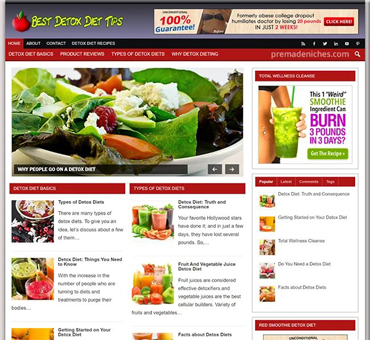


Affiliate websites are content-driven businesses that recommend products or services and earn a commission when visitors complete a qualifying action through tracked links. A profitable site is not simply a collection of advertisements. It is a focused resource that helps a particular audience compare options, solve problems, and make confident decisions. The strongest sites combine useful publishing, careful product selection, transparent disclosures, sound technical practices, and steady measurement.
This guide explains how to build an affiliate website online, from choosing a market and creating a site to attracting visitors, improving conversions, and protecting long-term trust. It also describes what an affiliate website includes, who benefits from one, common mistakes, and questions new publishers often ask.
Affiliate Websites: What an Affiliate Website Includes
An affiliate website usually contains educational articles, buying guides, comparisons, tutorials, reviews, and resource pages. Each page addresses a specific need. A tutorial might explain how to use a product, while a comparison may distinguish features, limitations, compatibility, maintenance, and total cost. Affiliate links connect readers with merchants or providers. The merchant, network, or tracking platform records referrals and attributes eligible sales or leads according to its terms.
A website can promote physical goods, software, subscriptions, courses, services, or bookings. Its business model depends on the partner program rather than on selling inventory directly. That makes entry relatively accessible, but it does not make success automatic. Competition, changing commissions, merchant policies, search visibility, and audience trust all influence results.
A useful site should disclose commercial relationships clearly. Readers deserve to know when a recommendation may generate compensation. Disclosure does not weaken persuasive writing; it strengthens credibility when recommendations are supported by understandable reasoning and honest limitations.

Choose a Profitable, Defensible Niche
Start with a group of people and a recurring problem, not with a commission percentage. Ask what the audience wants to accomplish, what questions remain unanswered, and which purchases require research. A narrow starting topic makes it easier to develop relevant expertise and recognize content gaps.
Good niche candidates often have several characteristics: products with meaningful consideration, audiences that seek advice, enough potential topics for sustained publishing, and merchants offering legitimate programs. Avoid choosing a field solely because someone promises easy income. A high commission is unhelpful if demand is tiny, products are unreliable, or consumers rarely need guidance.
Evaluate commercial intent across the topic. Informational searches can introduce readers to your site, while comparison, “best,” pricing, compatibility, and problem-solving searches may be closer to a purchase decision. A healthy content plan includes both kinds. Do not assume every visitor should receive the same recommendation. Beginners may value simplicity, whereas experienced buyers may prioritize control, durability, integration, or specialized performance.
Review competing sites for structure and usefulness rather than copying them. Look for unanswered questions, outdated explanations, unclear comparisons, missing alternatives, and audiences overlooked by broad publishers. Your opportunity may be a specific use case, budget, location, experience level, or product category.

Validate the Business Before Building
Validation reduces wasted effort. List prospective merchants and examine their program rules, commission conditions, approval requirements, tracking period, refund handling, payment arrangements, and prohibited promotional methods. Terms vary, so read current agreements directly before relying on assumptions.
Study the products as a buyer would. Check specifications, support policies, compatibility, recurring charges, cancellation conditions, warranties, delivery limitations, and notable drawbacks. If you cannot explain why one option suits a particular reader better than another, the niche may not yet be sufficiently understood.
Create a simple opportunity map with three columns: audience problems, relevant solutions, and possible content. Add realistic article ideas under each problem. For example, a home office audience might need advice about space, noise, ergonomics, connectivity, and maintenance. This exercise reveals whether you can publish useful material beyond repetitive product lists.
Estimate costs conservatively. Expenses may include a domain, hosting, design, analytics, editing, email software, legal or professional advice, and tools for research. Revenue is uncertain and may take time. Treat early work as building an asset rather than expecting immediate replacement income. Never borrow money you cannot afford to lose for speculative promotion.
Build a Trustworthy Website Foundation
Choose a clear domain and a simple design that helps visitors find answers. Fast loading, readable typography, accessible contrast, logical navigation, and mobile compatibility matter more than decorative effects. Organize content into understandable categories, and make the search function useful if the site becomes large.
Create essential pages: an about page, contact method, privacy information, affiliate disclosure, and terms appropriate to your operation and jurisdiction. These pages are not substitutes for legal advice, but they help establish transparency and basic professionalism. Keep disclosure language visible near recommendations, not hidden exclusively in a footer.
Install analytics and a method for tracking outbound clicks, but collect only information you genuinely need. Define events consistently so you can distinguish page visits, affiliate clicks, email signups, and other actions. Verify that tracking works on mobile devices and across important browsers. Record when links change, because broken tracking can silently eliminate revenue.
Design templates for reviews, comparisons, and tutorials. A consistent layout makes pages easier to scan, while flexible sections allow the evidence and audience need to determine the recommendation. Include clear headings, concise summaries, tables when they improve comparison, and prominent but restrained calls to action.
Plan Content Around Real Decisions
Begin with audience research. Read customer questions, product documentation, discussion communities, support pages, and merchant information. These sources can reveal language and concerns, but do not copy comments or present unverified claims as fact. Build a question list and group it by the stage of the buying journey.
A practical content system includes four layers. Foundational guides explain concepts and help new visitors. Problem-solving articles address specific situations. Comparison pages support selection. Product-focused pages explain features, suitability, limitations, and alternatives. Internal links should connect these layers naturally, allowing readers to move from education toward a decision without being pushed prematurely.
Each article needs a clear promise. State who it helps, what it covers, and what the reader should understand by the end. Use evidence proportionately. Explain whether a statement comes from manufacturer information, observed functionality, documented policy, or your reasoned evaluation. Avoid claiming personal testing when none occurred.
A strong review is more than a feature list. Explain setup, usability, compatibility, maintenance, support, likely audience, drawbacks, and competing choices. If information is incomplete, say so. A balanced review can still recommend a product because fit depends on priorities, not universal superiority.
Comparisons should use consistent criteria. Define what each criterion means, note important differences, and identify the best fit for distinct users rather than announcing a single winner without context.
Earn Visitors Without Sacrificing Quality
Search visibility can provide recurring traffic, but it should follow usefulness. Match one primary question to each page, use descriptive headings, write concise page titles, and make introductions answer the query quickly. Add related terms naturally when they clarify meaning; do not repeat phrases unnaturally.
Internal linking helps readers and clarifies relationships among pages. Link from broad guides to specific comparisons, and from specific articles back to relevant explanations. Use meaningful anchor text that sets expectations. Remove or repair links leading to unavailable pages, unsuitable products, or outdated policies.
Email can reduce dependence on any single traffic source. Offer a useful checklist, buyer worksheet, tutorial, or periodic digest rather than a vague promise. Send helpful information consistently, and obtain consent according to applicable requirements. Social platforms, communities, partnerships, and video can extend reach, but participate according to each channel’s rules. Promotion should add value instead of interrupting conversations with unexplained links.
Paid traffic requires particular caution. Never purchase advertising until you understand program restrictions, conversion economics, tracking behavior, and refund effects. A campaign that generates clicks may still lose money after commissions, advertising costs, taxes, and operating expenses. Start with a small, measurable test only when the rules permit it.
Turn Attention Into Responsible Revenue
Place affiliate links where they answer a natural next question. A reader who understands a comparison may want to inspect current details; a reader following a setup tutorial may need the mentioned tool. Calls to action should describe the next step accurately, such as checking specifications or viewing available options. Avoid deceptive buttons, forced redirects, fake urgency, or links that obscure the destination.

Create several monetization paths without weakening editorial focus. Relevant programs may include direct merchants, affiliate networks, software referrals, lead generation, and complementary products. Diversification can reduce dependence on one provider, but every additional partner increases review and maintenance work.
Measure the complete funnel. Useful indicators include page engagement, outbound click rate, conversion rate where available, earnings per click, refund or reversal patterns, email growth, and revenue by article. Metrics are clues, not verdicts. A page with modest clicks may attract highly qualified visitors, while a popular informational article may build trust before converting later.
Improve one variable at a time when possible. Test clearer summaries, better comparison criteria, different calls to action, or improved internal links. Keep notes about changes and dates. Do not declare success from a short fluctuation, especially when traffic varies seasonally or attribution reporting is delayed.
Maintain Accuracy and Compliance
Affiliate publishing is an ongoing responsibility. Products change, links expire, prices move, merchants alter terms, and once-reliable information becomes incomplete. Schedule audits for important pages. Check links, availability, fees, compatibility, screenshots, claims, and disclosure language. Add a visible update date only when the content has genuinely been reviewed.
Do not imply that compensation guarantees quality. Explain how recommendations were chosen and separate objective details from judgment. If a product has a serious limitation, state it plainly. Readers may still choose it when its advantages match their circumstances.
Respect intellectual property. Use original writing, properly licensed images, and permitted product materials. Do not scrape descriptions, reuse photographs without authorization, or reproduce manuals. Keep records of permissions and source notes where appropriate.
Rules differ by country, industry, platform, and program. Consumer protection, privacy, advertising disclosure, email consent, accessibility, and tax obligations may all apply. Seek qualified local guidance for situations involving regulated products, sensitive data, or significant financial exposure. This article provides general education, not legal, tax, or financial advice.
Common Mistakes to Avoid
A frequent mistake is publishing dozens of thin pages before understanding the audience. More URLs do not automatically create more value. A smaller library of genuinely useful resources can provide a stronger foundation.
Another error is choosing products only by payout. A poorly matched recommendation damages trust, increases refunds, and makes future promotion harder. Select products for relevance, reliability, and audience fit first.

Many publishers ignore the post-publication stage. Content needs updating, links need checking, and successful pages deserve refinement. Leaving a site untouched allows competitors and changing product information to overtake it.
Overpromising income creates poor decisions. Affiliate revenue depends on traffic quality, merchant conversion, attribution rules, and sustained effort. Present forecasts as scenarios, not guarantees. Track actual results and adjust based on evidence.
Finally, avoid confusing activity with progress. Designing logos, installing plugins, and opening social accounts can feel productive, but the core work is understanding readers and publishing solutions that help them decide.
A Practical Launch Sequence
Phase One: Research
Define one audience, one central problem, and a manageable product category. Interview or observe potential readers where possible. Record their questions, objections, terminology, and decision criteria. Identify suitable programs and read their conditions.
Phase Two: Foundation
Register an appropriate domain, configure reliable hosting, choose an accessible theme, and create the essential trust pages. Establish analytics, link tracking, backups, security updates, and a simple editorial calendar before publishing heavily.
Phase Three: First Content
Publish a small cluster of connected resources: a foundational guide, several problem-solving articles, a comparison, and carefully researched product pages. Make every page useful without requiring a click. Link related pages thoughtfully and disclose commercial relationships clearly.
Phase Four: Distribution
Submit content where it genuinely helps, build an email option, and develop relationships with relevant communities or publishers. Repurpose lessons into formats that suit each channel. Monitor traffic quality rather than celebrating reach alone.
Phase Five: Improvement
After enough data accumulates, identify pages receiving attention but few clicks, pages receiving clicks but weak earnings, and pages earning steadily. Improve each according to its problem. Refresh facts, clarify fit, strengthen internal links, and remove irrelevant promotions.
FAQ
How much does it cost to start?
Costs vary with hosting, design, software, editing, and promotion choices. A basic site can begin with modest infrastructure, while professional research and production require more. Start lean, budget for maintenance, and avoid assuming revenue will arrive quickly.
How long does profitability take?
There is no universal timetable. Results depend on topic demand, competition, publishing quality, distribution, conversion behavior, and program terms. Some sites gain early traction; others require sustained work before meaningful results. Use milestones such as publishing consistency, qualified visits, email growth, and validated clicks rather than relying on a promised deadline.
Do I need to test every product?
Firsthand testing can strengthen credibility, but it is not always possible. Be precise about what you know, identify information sources, and avoid presenting specifications or third-party reports as personal experience. When practical, explain your evaluation method and disclose limitations.
Can I use several affiliate programs?
Yes, provided each program permits your promotional methods and the products remain relevant. Compare tracking, payment, support, exclusions, and merchant reputation. Too many unrelated offers can confuse readers and weaken trust.
Should every article contain affiliate links?
No. Some pages should educate, answer support questions, or build an email relationship without a commercial call to action. Add links when they genuinely help the reader take the next step. Relevance is more valuable than link volume.
What if a merchant changes its terms?
Review affected pages promptly. Update links, disclosures, and recommendations, then consider suitable alternatives. Maintain a record of important program changes so old assumptions do not continue shaping current advice.
How do I make recommendations persuasive?
Explain the reader’s problem, define the decision criteria, show meaningful differences, acknowledge limitations, and identify the best fit for different circumstances. Specific reasoning persuades more effectively than superlatives. Trust grows when readers can see how the conclusion was reached.
Conclusion
A profitable affiliate website is built through useful decisions, not aggressive promotion. Choose a focused audience, validate the market, create a fast and transparent foundation, publish content that resolves genuine questions, and recommend products according to fit. Measure the complete journey, maintain accuracy, follow program and legal requirements, and improve based on evidence.
The model can be attractive because it avoids inventory and lets publishers build around knowledge, but those advantages come with responsibility. Your most valuable asset is reader confidence. Protect it by disclosing relationships, explaining uncertainty, acknowledging drawbacks, and keeping recommendations current. Begin with a manageable niche and a small set of excellent resources. Consistent usefulness gives your website the strongest chance to earn attention, conversions, and durable revenue over time.
WP AI Autoblogging Beginners Guide
Best WordPress AI Autoblogging Plugin

WP Learning 101

Free YouTube Backlink Generator Software

Latest Product