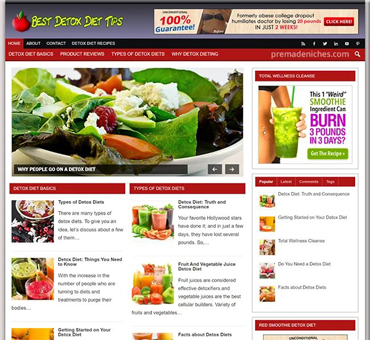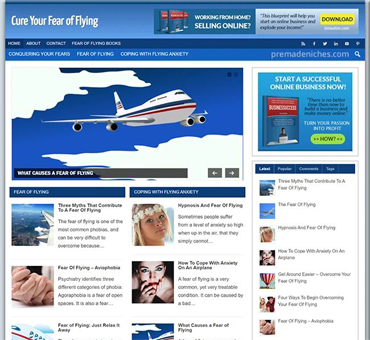


Premade Niche Websites: Launch Your Online Business Fast
Premade niche websites are ready-built websites designed around a specific subject, audience, or commercial opportunity. Instead of starting with a blank domain, choosing a theme, writing every page, and configuring basic features yourself, you receive a structured foundation that can be customized and published quickly. For aspiring publishers, affiliate marketers, local service providers, and small businesses, this approach can reduce technical friction and make the first stage of an online project far more manageable.
A premade site is not a guaranteed business, passive-income machine, or substitute for market research. Its value is practical: it gives you a usable starting point. You still need to confirm that the niche suits your skills, audience, budget, and goals. You must also improve the content, establish trust, attract visitors, and comply with relevant advertising, privacy, and consumer-protection requirements.
The strongest choice balances appearance with substance. A polished design helps visitors navigate, but useful information, clear calls to action, reliable performance, and a realistic monetization plan determine whether the website can support long-term growth.
What a Premade Niche Website Includes
A typical premade niche website includes a domain or domain setup guidance, hosting compatibility, a selected design, foundational pages, navigation menus, and starter content. Some packages also include logo files, stock imagery, contact forms, search functionality, social links, analytics installation, email capture tools, or basic search-engine settings. The exact contents differ widely, so buyers should inspect the offer rather than assume every package provides the same assets.
The word “niche” refers to a defined market or topic. Examples include home organization, outdoor recreation, pet care, personal finance education, wedding planning, software tutorials, or local trades. A focused subject can make it easier to understand visitor needs and create relevant content. However, narrow does not automatically mean profitable. A niche should have an identifiable audience, enough useful questions to answer, and a reasonable path to revenue.
Common website formats
A content site publishes guides, comparisons, tutorials, and reviews. It may earn through advertising, affiliate referrals, digital products, sponsorships, or lead generation. An affiliate site links visitors to third-party products and may receive a commission when qualifying actions occur. A local lead-generation site presents a service and encourages calls, form submissions, or appointment requests. A small ecommerce site displays products and supports a transaction process, although inventory, payment, shipping, returns, and customer service remain important responsibilities.
Some premade sites combine these formats. For example, a gardening website might publish plant-care guides, recommend tools through affiliate links, collect email subscribers, and direct readers toward consultations. Before buying, define the primary model so the design and content support one clear visitor journey.
Why Businesses Choose Premade Sites
Speed is the most obvious advantage. Building from scratch requires many small decisions: platform selection, theme configuration, typography, page structure, menus, plugins, forms, security settings, and content planning. A premade website handles much of this initial setup. That allows you to spend more time validating the market and serving visitors.
A premade site can also reduce decision fatigue. Beginners often delay publishing because they repeatedly compare templates and tools. A completed foundation creates a concrete asset that can be reviewed, edited, and improved. This momentum matters, particularly when a business owner has limited technical confidence.

Cost predictability may be another benefit. A package can make initial expenses easier to estimate than hiring separate professionals for design, copywriting, and setup. Yet low upfront cost does not necessarily equal low total cost. You may need paid hosting, premium extensions, fresh content, technical maintenance, branding, photography, email software, or legal review. Calculate the expected first-year cost before purchasing.
A professional structure can improve credibility, but only when the information is accurate and the business is transparent. Replace generic claims with specific explanations, use consistent branding, provide genuine contact information, and make policies easy to find. Visitors can recognize thin, copied, or overly promotional pages quickly.
How to Evaluate a Premade Website
Begin with the audience rather than the design. Write a short description of your intended visitor, the problem they are trying to solve, and the action you want them to take. Then examine whether the website’s layout serves that purpose. A visual style that looks attractive may still be unsuitable if it hides important information or makes mobile navigation difficult.
Check the technical foundation
Ask which content management system powers the site and whether you can access the necessary settings. Confirm that the design works on phones and tablets, because many visitors will use smaller screens. Review loading behavior, image sizes, menu operation, form delivery, and compatibility with current browsers. If technical performance has not been independently tested, treat claims about speed cautiously.
Security deserves practical attention. Use strong, unique administrator credentials, enable available updates, limit unnecessary extensions, and maintain regular backups. A seller may provide a clean installation, but ongoing security is usually the owner’s responsibility. Ask how updates affect custom changes and whether support is included.
Accessibility should also influence your decision. Text needs adequate contrast, headings should follow a logical order, links should be understandable, and images should have meaningful alternative text when appropriate. No template automatically guarantees accessibility, so inspect the site and continue improving it after launch.
Review the content and rights
Read every sample page. Look for factual accuracy, useful detail, natural language, and a voice that fits your audience. Generic text can be rewritten, but large-scale replacement may require more time than expected. Avoid publishing claims you cannot verify, especially in health, finance, legal, safety, or technical subjects.
Confirm that you have permission to use included images, fonts, icons, plugins, and written materials. “Royalty-free” does not always mean unrestricted. Licensing may limit commercial use, modification, redistribution, or use in logos. Request clear documentation and replace uncertain assets rather than exposing your business to avoidable disputes.
Check whether the domain is new, previously used, or transferred from another owner. A previously used domain can have a complicated history, including irrelevant backlinks or a reputation unrelated to your business. Investigate it carefully and avoid assuming that an existing domain automatically provides authority.
Turning the Website Into a Real Business
Buying the site is only the beginning. Start by defining one primary objective for the first ninety days. You might aim to publish a useful content library, generate qualified inquiries, build an email list, or test a small group of products. A focused objective helps you decide what to improve first.
Create an editorial plan based on genuine audience questions. Organize topics into broad categories, then develop introductory guides, detailed tutorials, comparisons, troubleshooting articles, and practical checklists. Link related pages thoughtfully so visitors can move from a general explanation to a specific solution. Review older pages when recommendations, prices, regulations, or software features may change.
Trust-building content is essential for commercial niches. Explain who operates the website, how recommendations are selected, and whether affiliate relationships exist. Distinguish personal opinion from verifiable information. Display contact options that work, publish appropriate privacy and cookie notices, and identify sponsored content clearly. Transparent disclosure may reduce short-term persuasion for some visitors, but it supports durable credibility.
Improve conversion paths
A call to action should match the visitor’s stage. Someone learning a basic concept may prefer a helpful guide or newsletter, while a visitor comparing solutions may be ready for a consultation, product link, or quote request. Use descriptive buttons, concise forms, and confirmation messages that explain what happens next.
Avoid placing competing calls to action everywhere. Too many choices create uncertainty. Select one main action per page and make secondary options visually quieter. Test the full process yourself: submit forms, inspect email notifications, follow links, and check whether mobile users can complete the intended task without frustration.
Measure meaningful outcomes rather than vanity numbers alone. Page views can show interest, but qualified inquiries, email subscriptions, completed purchases, returning visitors, and assisted conversions often provide more useful evidence. Analytics are helpful only when configured responsibly and interpreted in context.
Monetization Options and Tradeoffs
Affiliate marketing is relatively simple to explain: recommend relevant products and receive compensation under a qualifying arrangement. Success depends on useful evaluations, appropriate disclosures, accurate links, and an audience with genuine purchase intent. Commission rates, program rules, and product availability can change, so never build a plan around one partner alone.

Advertising can generate revenue from traffic, but it may reduce readability and user trust if placed aggressively. New sites may also need substantial, consistent traffic before advertising becomes meaningful. Prioritize the reader’s task, keep layouts uncluttered, and review whether ads distract from important information.
Digital products, such as templates, courses, guides, or memberships, can provide greater control over pricing and customer relationships. They also require original expertise, support, secure delivery, updates, and refund handling. Do not create a product merely because a template includes a sales page; create it when you understand a specific audience need.
Lead generation can suit local or specialized services. A site can explain the problem, demonstrate credibility, and invite an inquiry. Lead quality matters more than raw form volume. State service areas accurately, avoid misleading urgency, protect submitted information, and establish a reliable process for responding.
Ecommerce offers direct selling potential but adds operational complexity. Confirm that payment processing, tax treatment, shipping, returns, inventory, fraud controls, and customer support are handled appropriately. A beautiful storefront cannot compensate for unreliable fulfillment.
A Practical Launch Process
First, confirm the niche and business model. Identify competing websites, recurring audience questions, likely customer objections, and the resources you can consistently provide. If the topic requires professional credentials, regulated advice, or sensitive personal data, plan appropriate review and safeguards before publishing.
Second, purchase or configure the technical essentials. Connect the domain, choose reputable hosting, create administrator accounts, install updates, and establish backups. Remove unnecessary plugins and change demonstration content immediately. Keep a record of licenses, renewal dates, and access credentials in a secure location.
Third, customize the brand. Select a readable type system, restrained color palette, recognizable logo treatment, and consistent image style. Replace placeholder names, invented testimonials, sample addresses, and generic contact information. Never present demonstration material as real evidence.
Fourth, revise the core pages. At minimum, explain the website’s purpose, publish useful topic content, provide contact information, describe privacy practices, and disclose commercial relationships where relevant. Proofread on both desktop and mobile devices. Ask an independent reader to complete common tasks and report confusion.

Fifth, test before promotion. Check every navigation item, form, button, image, and external link. Review page titles, descriptions, headings, and image alternatives. Confirm that email notifications arrive, analytics record expected events, and backups can be restored. Testing cannot eliminate every problem, but it prevents many embarrassing failures.
Sixth, promote patiently. Share useful material through communities where participation is welcome, develop relationships with relevant publishers, build an email list ethically, and consider paid promotion only after measuring the destination experience. Search visibility usually develops through helpful, discoverable content rather than shortcuts or manipulative tactics.
Common Mistakes to Avoid
The first mistake is treating the purchase as completion. A premade site may look finished while containing only broad, interchangeable material. Add expertise, examples, original explanations, and clear audience relevance before expecting trust or revenue.
The second is choosing a niche solely because it appears profitable. Competition, compliance demands, personal interest, and available time all matter. A less fashionable topic that you understand well may be more sustainable than a crowded subject selected from a trend list.
The third is ignoring ownership details. Determine who controls the domain, hosting account, files, licenses, analytics, and email list. Ensure that you can leave the provider or migrate the site if circumstances change. Dependence on an inaccessible vendor creates unnecessary business risk.
The fourth is installing too many tools. Extensions can add forms, tracking, social features, and visual effects, but they may introduce conflicts, security concerns, costs, or slower performance. Add only what supports a defined business need, and remove tools you no longer use.
The fifth is publishing unverifiable claims. Strong marketing does not require exaggeration. Explain benefits with evidence, acknowledge limitations, and use careful language when outcomes depend on individual circumstances. Honest positioning attracts better-fit visitors and reduces avoidable complaints.
FAQ
Are premade niche websites suitable for beginners?
They can be. A premade site reduces setup work, but beginners still need to learn basic content management, privacy practices, security, analytics, and customer communication. Choose a package with clear documentation and support that explains tasks rather than hiding them. If the niche involves regulated or high-impact advice, obtain qualified review before publishing.
Can a premade website make money immediately?
There is no dependable guarantee of immediate revenue. Results depend on audience demand, content quality, trust, traffic, offer relevance, conversion experience, and consistent maintenance. Treat early months as a validation period. Track whether visitors engage and whether the business model produces qualified actions, then improve based on evidence.
Should I buy an aged domain with the website?
Only after careful investigation. An aged domain may have a history that does not match your topic, brand, or audience. Review ownership history, archived content where available, existing references, and potential reputation issues. A clean new domain is often simpler than repairing a problematic one.
Do I need coding skills?
Basic coding is not usually necessary for editing text, images, menus, and standard settings. Some customizations, integrations, performance fixes, or accessibility improvements may require technical help. Before buying, identify what you can change yourself and whether the platform allows an independent developer to work on it.
How much content should I publish first?
There is no universal number. Publish enough high-quality material to explain the niche, answer important beginner questions, and support your main conversion path. A smaller collection of genuinely useful pages is stronger than a large batch of repetitive articles. Establish a realistic schedule you can maintain.
Are included images and text safe to reuse?
Not automatically. Ask for licensing terms and confirm whether commercial publication, editing, and redistribution are permitted. Review claims in the text, remove unsupported statements, and replace assets with uncertain rights. Keep records of permissions and receipts.
How do I choose between several providers?
Compare the actual deliverables, platform, ownership terms, support scope, update policy, migration options, licensing, refund terms, and recurring expenses. Request a demonstration of the editing process if possible. Select the provider that offers the clearest path to independent ownership, not merely the most impressive preview.
What should I do after launch?
Monitor forms, links, backups, analytics, comments, and security notifications. Update important pages, answer legitimate questions, publish useful material, and review whether visitors can complete the intended action. Set a monthly maintenance appointment so small problems do not accumulate unnoticed.
Conclusion
Premade niche websites can shorten the distance between an idea and a functioning online presence. They are especially useful when you want a structured foundation, have limited technical experience, or need to test a focused business concept without designing every component from zero. Their advantage is not magic automation; it is saved setup time and a clearer starting point.
Choose carefully by examining the niche, platform, content quality, licensing, ownership, support, technical condition, and realistic total cost. After purchase, replace generic material, establish trust, secure the installation, test every customer path, and build a sustainable publishing or promotion process. Match monetization to genuine visitor needs, disclose commercial relationships, and measure meaningful outcomes.
A premade website becomes valuable when its owner takes responsibility for the work that follows. Use the template as infrastructure, not as the finished business. With thoughtful customization, useful content, transparent practices, and steady improvement, it can provide a credible launchpad for a focused online venture.
WP AI Autoblogging Beginners Guide
Best WordPress AI Autoblogging Plugin

WP Learning 101

Free YouTube Backlink Generator Software

Latest Product