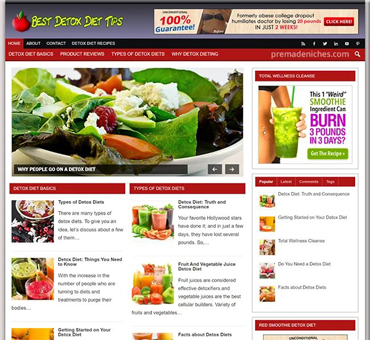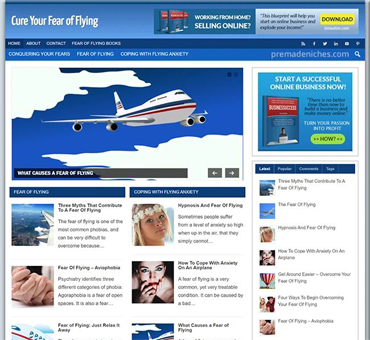


Turnkey WordPress Websites: What a Turnkey WordPress Website Includes
by in Turnkey & Ready-Made WordPress Websites onA turnkey WordPress website is a ready-to-launch online presence prepared around your business goals, brand, and audience. Instead of beginning with a blank installation, you receive a structured website with essential pages, responsive design, navigation, configuration, and practical features already in place. You can then review the content, add your details, and publish with far less technical effort.
This approach suits entrepreneurs, consultants, local businesses, nonprofits, creators, and growing companies that need a professional website without managing every design and development decision themselves. It does not mean the site is permanently fixed or identical to every other customer’s website. A well-planned turnkey solution provides a reliable starting point while leaving room for customization, expansion, and ongoing improvement.
Turnkey WordPress Websites: What a Turnkey WordPress Website Includes
A complete package usually combines strategy, design, development, and launch preparation. The exact scope varies by provider, so it is important to read the specification before purchasing. A credible service should explain what is included, what requires an additional fee, and which responsibilities remain with you.
Core website structure
Most turnkey websites include a homepage, about page, services or products page, contact page, blog area, privacy page, and navigation menu. The structure should reflect your customer journey rather than simply filling a template. For example, a service business may need separate pages for each major offering, while a consultant may benefit from case studies, testimonials, and a booking pathway.
The site should also have a logical URL structure, clear calls to action, readable typography, and consistent spacing. These details influence whether visitors understand what you do and know what to do next.

Responsive visual design
A professional WordPress website must work comfortably on phones, tablets, laptops, and larger screens. Responsive design adjusts layouts, images, menus, and buttons to different screen sizes. Mobile visitors should not need to zoom, scroll horizontally, or struggle with tiny controls.
Brand customization may include your logo, colors, fonts, imagery, tone, and visual preferences. If you do not have established branding, the provider may create a restrained visual direction using information about your audience and market. The strongest designs balance personality with clarity; decorative elements should never compete with essential information.
WordPress configuration
A turnkey project commonly includes installation or setup of WordPress, theme configuration, essential plugins, menus, widgets, forms, and basic security settings. It may also include a connection to your domain and hosting account.
WordPress gives you a familiar content management system, allowing authorized users to edit text, upload images, publish articles, and manage routine updates. Ask whether the website uses the standard editor, a page builder, or a custom editing system. A visually impressive site can become inconvenient if simple changes require a developer every time.
Content preparation
Some packages include placeholder copy, while others provide professionally written text based on your briefing. Confirm how many pages and revisions are covered. Content should explain your offer in customer-centered language, demonstrate credibility without unsupported claims, and guide visitors toward an appropriate action.
Images also require attention. Determine whether you must supply photographs, whether licensed stock images are included, and who is responsible for confirming usage rights. Replace generic imagery when authentic team, product, location, or project photographs would build more trust.
Why Businesses Choose This Approach
The main advantage is reduced complexity. Building a website independently requires decisions about hosting, themes, plugins, page layouts, accessibility, forms, analytics, backups, and maintenance. A turnkey website groups many of those decisions into a defined process.
Speed is another benefit. A prepared framework eliminates much of the exploratory work involved in starting from scratch. Launch time still depends on your responsiveness, content readiness, approvals, and technical requirements, but a focused project can move efficiently.
The approach also offers cost clarity. A fixed scope makes it easier to compare proposals and plan a budget. However, a lower initial price does not automatically represent better value. Consider included pages, revision limits, ownership, support, licensing, and future editing costs.
Turnkey services can improve consistency too. When one team manages strategy, design, and implementation, navigation, visual styles, and messaging are less likely to conflict. This coordination is particularly useful for owners who have a clear business idea but limited web experience.
How the Process Usually Works
1. Discovery and planning
The provider should first learn about your business, customers, goals, competitors, existing branding, and desired actions. You may be asked to complete a questionnaire or attend a consultation. This stage prevents a polished site from communicating the wrong message.
Define success in practical terms. You might want more inquiries, appointment requests, qualified leads, sales, memberships, donations, or newsletter subscriptions. Each goal affects page structure and calls to action.
2. Content and asset collection
Prepare your logo, brand guidelines, photographs, service details, contact information, testimonials, legal text, and social links. If you lack some materials, ask whether the provider can create or source them.
Delays often occur because content arrives gradually. A simple content checklist with one responsible decision maker can keep the project moving. All claims should be reviewed for accuracy before publication.

3. Design and development
The team creates the visual direction, builds page templates, configures WordPress, and adds agreed features. You should receive an opportunity to review the design before every page is finalized.
A useful review focuses on hierarchy and usability, not only personal taste. Check whether a first-time visitor understands the offer quickly, whether important buttons are visible, and whether the page feels trustworthy.
4. Testing and launch
Before launch, test forms, links, menus, search, buttons, media, and responsive layouts. Confirm that emails reach the correct recipient and that confirmation messages are understandable. Review spelling, contact details, opening hours, prices, and legal pages.
The provider should explain how the domain points to the new site, how backups work, and how to handle urgent problems after publication. Keep a written record of administrator access, hosting details, licenses, and renewal responsibilities.
Features Worth Prioritizing
Not every website needs the same tools. Prioritize functions that support real customer tasks rather than collecting plugins because they sound useful.
A contact form should ask only for information needed to respond. Appointment websites may require scheduling integration, availability rules, reminders, and payment handling. Online stores need product management, inventory processes, checkout configuration, shipping information, and appropriate payment providers. Membership websites may need registration, protected content, renewals, and account management.
Accessibility should be treated as a fundamental quality, not an optional decoration. Use sufficient color contrast, descriptive link text, keyboard-friendly controls, meaningful headings, alternative text for informative images, and captions where appropriate. Accessibility improvements benefit many visitors and make content easier to understand.
Performance matters because heavy pages can frustrate visitors. Compressed images, sensible plugin choices, efficient hosting, caching, and limited animation can help. Ask what optimization is included, but avoid promises of universal scores or guaranteed results; performance depends on content, hosting, devices, and network conditions.
Security requires ongoing attention. Strong administrator passwords, limited user permissions, trusted extensions, updates, backups, and monitoring reduce avoidable risk. No website is immune to attacks, and a provider should describe practical protections without implying absolute security.

Search Visibility and Analytics
A turnkey website should establish a sound technical foundation for discoverability, but no provider can honestly guarantee a particular search position. Useful preparation may include descriptive page titles, clear headings, readable URLs, internal links, image descriptions, mobile compatibility, and an XML sitemap.
Your content still needs genuine value. Explain services clearly, answer customer questions, identify relevant locations when appropriate, and publish useful updates only when you can maintain them. Avoid repeating phrases unnaturally or creating thin pages merely to appear comprehensive.
Analytics can show where visitors come from, which pages they view, and whether they complete important actions. Before collecting data, review applicable privacy requirements and configure consent mechanisms where necessary. Decide which measures matter, such as form submissions or booking completions, rather than focusing solely on traffic volume.
Questions to ask about ownership
Ownership deserves explicit discussion. Ask who owns the domain, website files, written content, custom graphics, and paid licenses. Ensure the domain is registered in your organization’s name and that you receive administrator access.
Clarify whether the theme or page builder requires a recurring license. Some subscriptions are included temporarily and become your responsibility later. Determine whether a website can be moved to another host and whether the provider will assist with migration.
You should also understand support boundaries. A launch warranty may cover defects, but not new pages, content editing, third-party failures, or strategy changes. Written terms prevent confusion and protect both parties.
Choosing a Suitable Provider
Compare providers by process and transparency, not screenshots alone. Review relevant examples and investigate whether those websites are usable on mobile, easy to navigate, and aligned with their stated business purposes.
Request a written proposal that lists deliverables, page counts, integrations, revision rounds, deadlines, payment stages, hosting arrangements, licenses, training, maintenance, and ownership. Vague wording can hide significant differences between offers.
Pay attention to communication. A provider should explain technical choices in understandable language, ask useful questions, and welcome reasonable feedback. Be cautious when someone promises an unusually fast launch without requesting information about your goals or content.

A good match depends on complexity. A small brochure site may need a streamlined package, whereas a store, membership platform, or regulated organization may require specialist planning. Do not pay for advanced features that your team will not use, but do not select a basic package that cannot support essential workflows.
Preparing for a Successful Launch
Before work begins, appoint one project owner who can collect feedback and approve decisions. Gather content in organized documents, use consistent file names, and identify any required integrations early. Provide examples of websites you like, explaining what you value about their structure or tone rather than asking for a direct imitation.
Write a short statement describing your audience, offer, difference, and desired action. This brief can guide page copy, design choices, and calls to action. If several people will edit the website, agree on permissions and a simple editorial process.
During review, test the site as a customer would. Use a phone and computer, try every form, open the site in more than one browser, and check that confirmation emails are delivered. Ask someone unfamiliar with the business to describe what the homepage offers after a brief visit. Their confusion may reveal a clearer improvement than another round of visual adjustments.
At launch, keep the previous site or a backup available when practical. Schedule publication when someone can monitor forms and communications. After launch, review analytics and customer feedback, fix broken links, and correct small content issues promptly.
Maintenance After Launch
A website is not finished when it goes live. WordPress core software, themes, and plugins require updates, and updates should be handled with backups and compatibility checks. Some businesses manage this internally; others purchase a maintenance plan.
Regular maintenance may include security monitoring, backups, uptime checks, plugin reviews, accessibility checks, content edits, and technical support. Ask whether backups are stored separately from the website and how restoration works. A backup that has never been tested may not provide dependable recovery.
Refresh information whenever services, staff, locations, policies, pricing, or contact details change. Outdated information undermines confidence and can create practical problems. Review important pages periodically for clarity, broken links, obsolete images, and forms that no longer function.
Plan gradual improvements rather than waiting for a complete rebuild. After observing real visitor behavior, you may refine calls to action, simplify navigation, add frequently requested information, or improve conversion paths. Continuous small improvements are often more manageable than major emergency projects.
Frequently Asked Questions
Is a turnkey website suitable for a small business?
Yes, especially when the business needs a professional foundation but lacks the time or expertise to manage design and technical setup. Select a package that matches current needs and confirms how easily you can add pages later.
Can I customize the website?
Usually, yes. Customization may include branding, layouts, colors, content, forms, integrations, and page sections. The degree of flexibility depends on the theme, builder, and provider. Ask for examples of changes you expect to make.
How quickly can it launch?
There is no universal timetable. The answer depends on page count, content readiness, revisions, integrations, approvals, and domain arrangements. A realistic provider will identify dependencies instead of guaranteeing an arbitrary deadline.
Do I need to provide content?
It depends on the package. You may supply all text and images, provide a brief for professional creation, or receive temporary placeholder content. Never assume placeholder material is ready for publication; confirm what you must replace.
Is hosting included?
Some providers include hosting, while others require you to purchase it separately. Compare storage, support, backups, renewal terms, migration options, and ownership. Convenience can be valuable, but you should avoid becoming dependent on an arrangement you cannot access.
Can I manage the website myself?
WordPress is designed to let owners manage routine content, although editing experiences vary. Request training or documentation covering pages, posts, images, forms, users, updates, and backups. Also learn which changes require professional assistance.
Does a turnkey site guarantee search results or sales?
No. A website can provide a strong foundation, but results depend on offer quality, content, competition, promotion, usability, customer demand, and ongoing work. Treat guarantees of rankings, leads, or revenue as a warning sign.
What happens if I outgrow the package?
Ask before signing. A flexible website may support new pages, ecommerce, integrations, or additional users, while a restricted setup may require migration. Understanding the upgrade path helps you choose a foundation that can grow with the business.
Conclusion
Turnkey WordPress websites make professional web development more approachable by combining planning, design, configuration, and launch support in one organized service. Their value is not simply speed. The right solution gives you a clear structure, dependable essentials, manageable editing, and a practical path for future improvements.
Choose carefully by examining scope, content responsibility, accessibility, performance, security, ownership, support, and ongoing costs. Prepare your materials, define the customer action you want, and review the finished site from a visitor’s perspective. With realistic expectations and a transparent provider, a turnkey WordPress website can move your business from idea to credible online presence while preserving the flexibility to develop over time.
WP AI Autoblogging Beginners Guide

Best WordPress AI Autoblogging Plugin

WP Learning 101

Free YouTube Backlink Generator Software

Latest Product