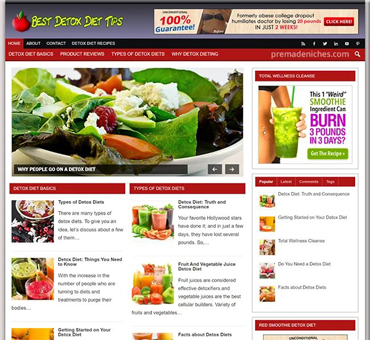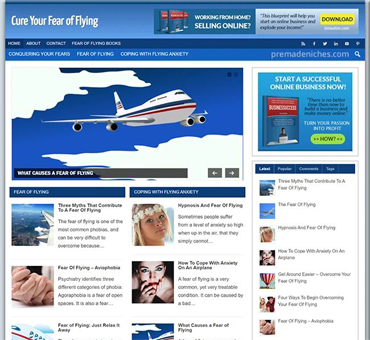


Choosing a profitable niche is one of the most important decisions behind a successful online business. A niche gives your work direction, helps you understand a specific audience, and makes it easier to create products, content, and marketing messages that feel relevant. The strongest opportunities usually sit where three factors overlap: people have a clear problem, they are willing to spend money on a solution, and you can serve them with credible, useful value.
A profitable niche does not need to be completely new. In many cases, the better opportunity is a focused angle within a large market. Instead of targeting “fitness,” for example, consider strength training for busy parents, mobility exercises for older adults, or meal planning for endurance athletes. Specificity reduces competition, improves communication, and allows you to become known for solving a recognizable problem.
This guide explains promising niche ideas, how to evaluate them, and how to turn a promising topic into a practical online business. It also highlights common mistakes, sustainable monetization methods, and questions to answer before investing significant time or money.
What Makes a Niche Profitable?
Profitability depends less on a fashionable topic than on the relationship between demand, purchasing power, competition, and your ability to deliver. A niche is commercially attractive when potential customers actively seek information, compare solutions, or spend money to improve a situation.
Look for evidence of a painful or valuable problem. Customers may want to save time, reduce uncertainty, improve appearance, protect property, increase income, or enjoy a hobby more fully. Problems connected to money, health, convenience, security, or identity often support strong demand, although health and financial subjects require careful, responsible communication.

Next, examine the audience. A broad audience may contain many buyers, but a narrow audience can be easier to reach. Define who the customer is, what they already use, what frustrates them, and what outcome they want. A clear customer profile helps you choose useful offers instead of producing generic material.
Finally, assess your own advantage. Experience, professional knowledge, relationships, technical skills, or genuine enthusiasm can make a niche easier to serve. You do not need perfect credentials for every topic, but you should be prepared to research carefully, acknowledge limits, and provide honest guidance.
Profitable Niche Ideas to Explore
Personal finance education
Personal finance remains a substantial market because people regularly seek help with budgeting, saving, debt organization, investing basics, and financial planning. A new business should avoid trying to advise everyone. Narrower directions might include budgeting for freelancers, money systems for couples, financial organization for new parents, or simple bookkeeping for creative professionals.
Possible products include budgeting templates, educational courses, calculators, newsletters, workshops, and software recommendations. Trust is essential. Avoid promising guaranteed returns or presenting personalized financial advice without appropriate qualifications. Focus on education, transparent assumptions, and practical organization.

Career development and professional skills
Workers and job seekers often pay for help with resumes, interviews, portfolio development, communication, leadership, or career changes. A focused offer could serve recent graduates, remote managers, technical professionals, returning parents, or people moving into a new industry.
This niche supports coaching, digital guides, templates, group programs, and membership communities. Useful content should show concrete improvements, such as stronger interview answers or clearer professional positioning. Demonstrate your method through examples, exercises, and realistic expectations rather than vague motivation.
Home organization and small-space living
People living in apartments, shared homes, or crowded urban spaces frequently want practical systems for storage, decluttering, cleaning, and daily routines. You can target renters, families, students, or home-based workers.
Revenue may come from printable checklists, consultations, product recommendations, design plans, courses, or partnerships with relevant retailers. This topic rewards visual explanations, before-and-after planning, and solutions that respect limited budgets. Avoid recommending products solely because they are popular; explain why each item fits a specific use case.
Pet care and enrichment
Pet owners spend consistently on food, grooming, training, safety, enrichment, and comfort. Strong sub-niches include indoor cat enrichment, puppy training routines, senior pet mobility support, travel preparation, and care for anxious animals.
A business might sell guides, training plans, toys, subscriptions, or curated product collections. Safety matters, particularly when discussing nutrition, illness, behavior problems, or supplements. Encourage readers to consult qualified veterinary professionals for medical concerns. Helpful content distinguishes ordinary training challenges from situations requiring expert intervention.
Sustainable everyday living
Interest in reducing waste, conserving resources, and buying more thoughtfully creates opportunities for practical sustainability businesses. Possible angles include low-waste kitchens, sustainable office supplies, repair education, eco-conscious travel, or secondhand wardrobe planning.
Customers generally respond better to realistic improvements than moral pressure. Explain cost, durability, maintenance, and tradeoffs. A sustainable offer becomes more persuasive when it helps people save money, simplify routines, or choose longer-lasting products. Be precise about claims and avoid presenting vague environmental language as proof of impact.
Hobby equipment and instruction
Hobby markets can be highly engaging because enthusiasts willingly invest in tools, education, and community. Examples include home coffee preparation, gardening, photography, crafts, cycling maintenance, baking, woodworking, or musical instruments.

You could publish tutorials, comparison guides, online classes, project plans, newsletters, or membership content. Start with a specific skill level or use case. “Photography” is broad; “beginner photography for family travel” is easier to position. Helpful recommendations should explain suitability, limitations, and alternatives rather than simply naming expensive equipment.
Food planning and specialized cooking
Food businesses can serve dietary preferences, time constraints, cultural interests, or household needs. Potential directions include meal planning for busy professionals, budget cooking, plant-based family meals, baking without selected ingredients, or recipes for compact kitchens.
Monetization options include recipe collections, meal calendars, shopping lists, classes, memberships, and kitchen products. Be careful with allergy, medical, and nutrition claims. Clearly separate personal preference from professional dietary guidance. The best content makes cooking easier by addressing preparation time, storage, substitutions, equipment, and cleanup.
Digital productivity for specific users
Productivity is a competitive category, but specialization creates room. You might help students manage assignments, consultants organize client work, writers plan projects, or small teams document processes. The central promise should be practical: fewer missed tasks, clearer priorities, or less repetitive administration.
Potential offers include templates, workflow audits, tutorials, software training, and paid communities. Explain the system step by step and acknowledge that tools vary by budget, privacy needs, and technical comfort. A simple process that people consistently use is often more valuable than a complicated system with impressive features.
Education for children and families
Parents and caregivers seek learning activities, tutoring resources, educational games, and routines that support children without creating unnecessary stress. Suitable sub-niches include literacy practice, homeschooling organization, science projects, language learning, or educational activities for rainy days.
Products may include printable materials, lesson plans, classes, subscriptions, or teacher resources. Use age-appropriate language and respect safeguarding considerations. Do not overstate developmental claims. Show how activities work, what materials they require, and how adults can adapt them for different abilities.
Travel planning for defined audiences
Travel is more profitable when you solve a specific planning problem. Consider accessible travel, family road trips, low-cost weekend escapes, outdoor itineraries, business travel organization, or travel for particular hobbies.
A business can earn through itineraries, planning services, guides, memberships, and carefully disclosed referral relationships. Travel information changes, so dates, prices, entry requirements, transportation, and opening hours must be checked before publication. Encourage customers to verify current rules directly with official providers.

How to Validate an Idea
Interest alone does not prove commercial potential. Begin by collecting evidence from customer conversations, community discussions, product reviews, forums, search behavior, and existing competitors. Pay attention to repeated complaints and questions. These reveal problems people already recognize.
Create a simple offer before building a large website or course. You might sell a consultation, pre-order a guide, run a workshop, or publish a small paid template. Early buyers provide stronger evidence than compliments or social media engagement.
Test several messages for the same audience. One message might emphasize saving time, another reducing cost, and another gaining confidence. The response helps reveal which benefit matters most. Keep notes about objections, desired features, and language customers use.
Evaluate the economics. Estimate the price customers might accept, delivery costs, support time, payment fees, advertising expenses, and refund risk. A low-priced product may require substantial volume, while a specialized service can need fewer customers but more personal involvement. Choose a model that matches your resources and preferred working style.
Selecting the Right Business Model
Affiliate marketing can work when you publish genuinely useful comparisons, tutorials, or buying guidance. Success depends on trust, relevant traffic, and transparent disclosure. Do not recommend products you cannot explain or that do not suit the reader.
Digital products offer attractive margins because they can be delivered repeatedly. Templates, courses, guides, and memberships require upfront creation and ongoing improvement. They work best when the customer wants a repeatable method rather than personal customization.
Services often generate revenue sooner because customers pay for your time, judgment, or implementation. Coaching, consulting, design, editing, and planning can validate a niche before you create a scalable product. Document recurring work so you can later package parts of the service.
Physical products may create a recognizable brand, but inventory, shipping, returns, quality control, and cash flow add complexity. Consider preorders, small batches, or print-on-demand arrangements before committing to large stock.
A mixed model can be powerful: free educational content builds trust, a low-cost resource provides an accessible first purchase, and a premium service or membership serves customers who need deeper support.

Building Authority Without Overpromising
Authority grows from consistency, clarity, and evidence of useful thinking. Publish content that answers real questions, demonstrates processes, compares options fairly, and explains limitations. Share your reasoning, not just conclusions.
Use an editorial system based on customer stages. Beginners may need definitions and simple steps. Comparing customers need criteria, examples, and tradeoffs. Existing buyers need setup instructions, troubleshooting, and advanced ideas. This structure improves usefulness while naturally supporting different offers.
Collect feedback ethically. Ask customers which part helped, where they struggled, and what they attempted next. Use permission before publishing testimonials or identifiable stories. Avoid manufacturing urgency, hiding material conditions, or implying results are typical when they are not.
Common Mistakes to Avoid
Choosing a niche solely because it appears popular can lead to crowded positioning and weak personal interest. Popularity is useful evidence, not a complete strategy. Find a specific problem you can serve better or more clearly.
Another mistake is serving an audience that cannot easily buy. Students, hobbyists, and early-stage businesses may be excellent audiences, but pricing and payment flexibility must reflect their resources. A valuable offer still fails if its economics are unrealistic.
Many entrepreneurs build too much before validating demand. A polished website cannot compensate for unclear customer needs. Start with conversations, a small offer, and measurable learning.
Avoid dependence on one platform. Algorithms, account policies, and advertising costs can change. Build an email list or another permission-based relationship, while continuing to deliver value wherever your audience naturally gathers.
Finally, do not confuse traffic with profit. Large audiences can have weak purchasing intent, while a smaller specialist audience may support a healthier business. Track qualified inquiries, conversion rates, repeat purchases, refunds, delivery time, and customer satisfaction.
Frequently Asked Questions
How narrow should a niche be?
Begin narrow enough to describe one audience and one important problem clearly. You can expand after learning what customers actually request. It is easier to broaden a trusted specialty than to make a vague business memorable.
Can a niche be profitable without huge traffic?
Yes. Profit depends on customer value, conversion, pricing, costs, and repeat business, not traffic alone. A specialized service or premium educational product may need only a modest number of well-matched buyers.
Should I choose a niche I personally enjoy?
Enjoyment helps with persistence and content quality, but it is not sufficient. Confirm that people need the solution, can pay for it, and can be reached through practical channels. Passion should support evidence, not replace it.
Is competition a warning sign?
Competition often confirms that money is already being spent. The question is whether you can serve a defined group with a clearer promise, better experience, stronger expertise, or more convenient delivery. Avoid copying competitors; study their gaps.
How long should validation take?
There is no universal timetable. Continue until you have meaningful evidence from conversations, experiments, or paying customers. Set a modest budget and time limit for testing, then use results to refine, pause, or proceed.
What should I sell first?
Start with the smallest offer that solves a meaningful problem. A paid consultation, workshop, checklist, or focused guide can reveal demand while limiting development risk. Improve the offer from actual questions and outcomes.
How can I stand out?
Combine a specific audience, a concrete outcome, a recognizable method, and a trustworthy voice. Standing out does not require being radically different. It requires being more relevant and useful to the people you choose to serve.
Conclusion
Profitable niche ideas become viable businesses when they connect real customer problems with credible solutions and workable economics. The strongest starting point is not a trend list; it is a focused audience, a painful or valuable need, and a clear reason to choose your offer.
Explore markets such as personal finance education, career development, home organization, pet care, sustainable living, hobbies, specialized cooking, productivity, family education, and targeted travel. Then validate one direction through conversations, small experiments, and early sales. Compare business models carefully, communicate limits honestly, and build relationships that do not depend on a single platform.
Choose a niche you can understand deeply and serve consistently. Begin with a small, useful offer, listen closely to customers, and improve through evidence. That disciplined approach turns an appealing idea into a sustainable online business.
WP AI Autoblogging Beginners Guide
Best WordPress AI Autoblogging Plugin

WP Learning 101

Free YouTube Backlink Generator Software

Latest Product