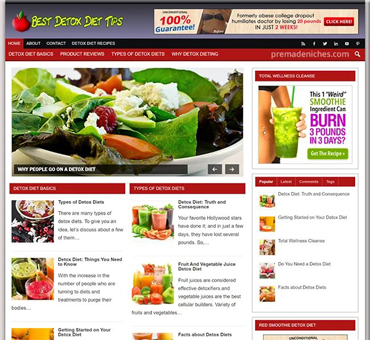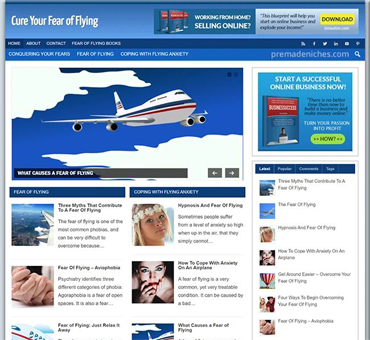


Niche Website SEO helps a focused website become visible to the people most likely to value its information, products, or services. Instead of competing broadly for every possible search, you build authority around a defined audience, a connected group of topics, and a clear purpose. The strongest approach combines useful content, sound technical foundations, trustworthy promotion, and continuous improvement.
A niche site might cover hiking equipment for beginners, accounting software for freelancers, indoor herb gardening, or maintenance advice for a particular vehicle. The subject can be commercial or informational, but success depends on serving a specific need better than general websites. This guide explains how to plan, publish, optimize, measure, and grow a niche website without relying on shortcuts or unrealistic promises.
What Niche Website SEO Means
Niche Website SEO is the practice of improving a specialized site so search engines can understand its subject and users can find relevant answers. The work includes keyword research, content planning, on-page optimization, internal linking, technical maintenance, digital reputation, and conversion improvements.
The word “niche” does not mean “small forever.” It describes focus. A narrow beginning can make it easier to identify meaningful questions, recognize audience language, and develop genuine expertise. As the site earns trust, it can expand into closely related topics without losing its identity.
A successful strategy balances three goals. First, pages must satisfy the visitor’s intent. Second, search engines must be able to crawl, interpret, and index those pages. Third, the site should guide visitors toward a useful next action, such as comparing options, subscribing, requesting advice, or making a purchase.

Choose a Niche With Real Potential
Start by defining the audience, problem, and possible outcome. “Fitness” is broad, while “strength training for women over fifty with limited equipment” provides a clearer direction. A useful niche has people seeking information, products, or solutions, but it should also offer enough related questions to support a growing content library.
Assess demand without assuming that every search becomes revenue. Some topics attract curiosity but have little commercial value. Others have strong buying intent but intense competition or significant trust requirements. Review search results, competing websites, forums, product categories, and recurring questions. Look for gaps in clarity, usability, first-hand perspective, comparison quality, or coverage of beginner concerns.
Consider your ability to maintain the subject. Sustainable growth requires updates, not merely a launch of articles. Choose a topic where you can understand the audience, evaluate information carefully, and recognize when advice becomes outdated. If the niche involves health, law, finance, safety, or other high-stakes decisions, use conservative language and encourage readers to consult qualified professionals where appropriate.
Define a practical site promise. For example, you might help apartment residents grow edible plants in low-light rooms. That promise can shape navigation, content choices, product recommendations, and the tone of every page.
Validate Competition Intelligently
Competition is not automatically a reason to quit. Examine what ranking pages do well and where they leave readers unsatisfied. A large publisher may provide breadth but lack detailed instructions for a specific audience. A small specialist can compete by being more precise, clearer, better organized, or more useful at a particular stage of the decision process.
Avoid claiming that a gap exists simply because a result looks old or unattractive. Investigate whether the page answers the query accurately, whether reputable sources support its claims, and whether readers need something different. Your opportunity should be based on a real improvement, not wishful thinking.

Build a Topic and Keyword Map
Keyword research is more valuable when it reveals problems and relationships rather than producing a long list of phrases. Gather the words your audience uses for products, tasks, symptoms, comparisons, mistakes, definitions, and decisions. Group similar terms by search intent and page purpose.
Informational queries usually seek explanations, instructions, or background. Commercial investigation queries compare products, methods, or providers. Transactional queries indicate readiness to buy or act. Navigational queries seek a particular brand, page, or resource. One article should not attempt to serve every intent equally. A comparison page needs different structure from a beginner tutorial.
Create topic clusters around a central guide and supporting pages. A main article about balcony composting might connect to pages about containers, odor control, suitable materials, seasonal care, and troubleshooting. Each supporting page should answer a distinct question, while internal links help readers move naturally between related subjects.
Prioritize topics using several considerations: relevance to your audience, usefulness, achievable competition, business value, and the confidence with which you can provide accurate information. High-volume phrases are not always the best starting point. A specific question may attract fewer visitors but produce stronger engagement because the visitor’s need is clearer.
Record the intended title, primary question, secondary questions, audience stage, internal links, evidence needs, and desired action for every planned page. This brief prevents overlapping articles that compete with one another and gives writers a consistent standard.
Create Content That Deserves Attention
Search optimization cannot rescue thin or interchangeable content. Begin each page by answering the central question early. Then add the detail needed to help the reader apply the advice. Explain terms, show options, identify limitations, and distinguish general guidance from situations requiring specialist help.
Use descriptive headings, short paragraphs, tables when comparisons genuinely benefit from them, and examples that reflect the niche. A practical article might include preparation, required tools, numbered steps, common errors, maintenance, and signs that a different approach is needed. Do not add sections merely to lengthen a page.
Demonstrate subject understanding through accurate explanations and transparent boundaries. If you recommend a product, explain the criteria behind the recommendation rather than presenting praise alone. Discuss compatibility, operating conditions, drawbacks, maintenance, or alternatives where those details influence the decision.
Originality does not require novelty in every sentence. It can come from a clearer framework, better organization, careful synthesis, useful diagrams, direct comparisons, or an audience-specific interpretation. A niche site earns loyalty when readers can solve a problem without opening several competing tabs.
Improve Existing Content
Review pages after publication instead of treating them as finished. Check whether the title matches the actual promise, whether the introduction answers intent, whether examples remain relevant, and whether internal links point to the most useful next steps. Consolidate overlapping articles when one comprehensive page would serve readers better.

Do not change text randomly in the hope of triggering improvement. Identify a reason, such as outdated instructions, unclear structure, missing questions, weak conversion paths, or newly relevant information. Preserve useful material while correcting errors and removing repetition.
Strengthen On-Page Optimization
A clear title should communicate the page’s subject and appeal to the intended reader without exaggeration. The introduction should confirm relevance. Use the main phrase naturally, but do not repeat it mechanically. Search engines and readers benefit more from precise language than from forced terminology.
Write a useful meta description that summarizes the page and sets an accurate expectation. It may influence clicks, although search platforms can display different text. Organize headings hierarchically, use meaningful image alternative text, and make links descriptive. Avoid vague phrases such as “click here” when a more informative label is possible.
Optimize images by choosing appropriate dimensions, compressing files, and preserving visual quality. Include captions when they add context. Make pages easy to scan, but do not turn every paragraph into a fragment. Good formatting supports comprehension; it does not replace substance.
Internal links should reflect genuine relationships. Link from a broad explanation to a detailed guide, from a problem page to a solution comparison, and from informational content to a relevant action page. Review links periodically for broken destinations and misleading anchor text.
Handle Technical SEO Essentials
Technical SEO creates the conditions for discovery and use. Ensure important pages can be crawled, have a consistent preferred URL, and are not accidentally blocked or marked unavailable for indexing. Maintain a logical site structure so users and search engines can understand how pages relate.
Provide a sitemap when appropriate, monitor indexing reports, and resolve recurring errors. Check mobile usability, page stability, readable text, and interaction responsiveness. Performance improvements should serve visitors first: reduce unnecessary scripts, optimize media, choose reliable hosting, and remove features that add little value.
Use secure connections and maintain dependable backups. Test forms, menus, search functions, checkout processes, and redirects. A technically impressive site that prevents visitors from completing tasks is not optimized.
Structured data can help search engines interpret eligible content, but it does not guarantee enhanced results. Apply markup accurately and keep visible page content consistent with the information provided. Avoid manipulative implementations intended only to obtain special search features.
Build Trust and Authority
Authority is not a decorative score; it is the result of being useful, reliable, and recognized in a subject. Publish author information where relevant, explain editorial standards, disclose commercial relationships, and identify important updates. Use credible references for claims that require support, while avoiding citations that do not actually substantiate the statement.

Earn links because your resources deserve mention. Useful link-worthy assets include original checklists, calculators, glossaries, practical templates, carefully documented comparisons, and clear explanations of confusing processes. Promote them through relevant communities without spamming. Partnerships, expert contributions, and legitimate industry associations can also increase visibility when they provide genuine value.
Do not buy questionable links, publish large volumes of unrelated guest posts, or create pages solely to manipulate rankings. Such tactics can create short-term signals while weakening trust, wasting resources, and exposing the site to future problems.
A smaller site can strengthen authority through consistency. Make claims carefully, correct mistakes publicly when necessary, and ensure commercial recommendations do not override reader needs.
Improve Conversions Without Damaging Experience
Traffic is useful only when it supports a meaningful objective. Decide whether each page should educate, collect an email subscription, generate a consultation, support an affiliate decision, or sell a product. Give readers a relevant next step rather than placing identical calls to action everywhere.
Match the call to action to intent. A beginner reading a definition may need a free checklist, while a visitor comparing products may need specifications, drawbacks, and a transparent recommendation. Keep forms proportionate to the value offered. Explain what happens after submission and protect personal information responsibly.
Review conversion paths on mobile devices and slower connections. Remove distracting popups, misleading buttons, and claims that pressure users. Persuasion works best when it reduces uncertainty. Clear pricing information, eligibility details, delivery expectations, return terms, and contact options can matter more than decorative design.
Measure meaningful outcomes, not traffic alone. Consider qualified inquiries, completed purchases, engaged subscriptions, downloads, returning visitors, and assisted conversions. A page with fewer visits may be more valuable if it serves a high-intent audience effectively.
Measure Performance and Learn
Use analytics and search performance tools to understand patterns rather than obsessing over daily fluctuations. Track impressions, clicks, click-through rate, indexed pages, engagement, conversions, and the queries that lead visitors to each page. These measures answer different questions and should not be treated as interchangeable.
High impressions with few clicks may indicate an unclear title, weak relevance, or competition for attention. Clicks with poor engagement may suggest that the page does not deliver the search promise, loads poorly, or addresses the wrong intent. Strong engagement with few conversions may mean the next step is unclear or mismatched.
Create a review schedule. Monthly checks can identify technical failures and major changes, while deeper quarterly reviews can evaluate clusters, cannibalization, content quality, and commercial performance. Record significant changes so you can interpret later results responsibly.

Do not judge a strategy from one page or one short period. Search visibility can fluctuate for many reasons, including seasonality, competitor changes, platform changes, and ordinary testing. Look for sustained patterns and use qualitative feedback, support questions, and customer conversations alongside numerical data.
Common Mistakes to Avoid
One frequent mistake is publishing many articles before understanding the audience. Volume creates maintenance obligations and can scatter internal authority. Plan a small, connected set of strong pages first.
Another mistake is targeting only broad, attractive terms. Specific questions often reveal clearer needs and provide a better foundation for trust. Avoid copying competitor headings without improving the explanation.
Keyword stuffing, automatically generated filler, misleading titles, and excessive advertising make pages harder to use. So does ignoring old content. A neglected site can accumulate broken links, outdated advice, inaccurate product references, and confusing navigation.
Some owners expect immediate results and abandon useful work too quickly. SEO is not a guaranteed timetable. Results depend on competition, quality, technical condition, reputation, and consistency. Set review points, but do not promise a fixed outcome.
Finally, avoid expanding beyond the niche simply because another topic appears popular. Expansion should be adjacent and audience-led. If a new subject requires different expertise or attracts a different audience, consider whether it belongs on another site.
A Practical Launch Sequence
Begin with audience research and a written site promise. Validate the niche by examining questions, competing results, potential offerings, and your ability to maintain accurate coverage. Build a simple structure with essential pages, categories, navigation, contact information, and clear commercial disclosures.
Publish a foundational guide and several supporting pages that answer related questions. Connect them with purposeful internal links. Before promoting the site, test mobile layouts, forms, speed, indexing settings, security, and error pages.
After launch, share genuinely useful resources in appropriate communities and develop relationships with relevant organizations or creators. Monitor queries and visitor behavior. Improve pages based on evidence, then add new content where readers still have unmet needs.
Over time, strengthen the best-performing clusters rather than chasing every trend. Refresh important pages, expand successful resources, improve conversion paths, and remove material that no longer serves the audience. Sustainable growth usually comes from repeated, disciplined improvements.
Frequently Asked Questions
How narrow should a niche website be?
Begin narrow enough to serve a recognizable audience, but broad enough to support multiple related problems. The right boundary is defined by shared needs, not an arbitrary number of keywords. Expand only when new subjects remain useful to the same audience.
How long should an SEO article be?
There is no universal ideal length. Write until the page answers its intended question accurately and completely. A concise definition may need little space, while a buying guide or tutorial requires more detail. Remove repetition and prioritize usefulness over a word target.
Should every page target a separate keyword?
Each important page should have a distinct primary purpose, but natural language will include related terms. Closely related queries can belong on one page when the same result satisfies them. Create separate pages when intent, audience stage, or required depth differs meaningfully.
Are backlinks essential?
Reputable references can help discovery and reinforce credibility, but links are not a substitute for useful content or technical accessibility. Earn them through resources people genuinely want to mention. Avoid manipulative link schemes and judge opportunities by relevance and trust.
When should a niche website monetize?
Monetize when the offer improves the reader’s next step and you can explain it transparently. Early monetization is possible, but excessive advertising can damage trust and usability. Disclose affiliate relationships and avoid recommendations that you cannot evaluate responsibly.
What should be updated first?
Prioritize pages that receive meaningful visibility, support important conversions, contain time-sensitive information, or have clear quality problems. Check facts, links, screenshots, product details, titles, and calls to action. Keep a record of substantial revisions.
Conclusion
Niche Website SEO works best as a system, not a collection of isolated tricks. Choose a focused audience, understand its questions, build connected content, maintain technical access, earn trust, and measure outcomes that matter. Use specificity as an advantage, but keep the site flexible enough to grow alongside the audience.
The most persuasive optimization is useful optimization. When a visitor can understand the answer, evaluate the options, and take an appropriate next step, both user satisfaction and search visibility have a stronger foundation. Start with a clear promise, publish fewer but better-connected pages, improve them with evidence, and expand only when the new coverage genuinely serves the same people. That disciplined process gives a niche website its best opportunity for durable, responsible growth.
WP AI Autoblogging Beginners Guide
Best WordPress AI Autoblogging Plugin

WP Learning 101

Free YouTube Backlink Generator Software

Latest Product