
Premade Niche Websites: Build an Online Business Faster
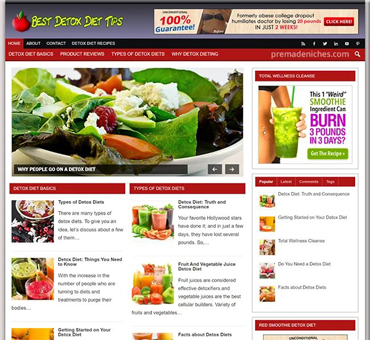
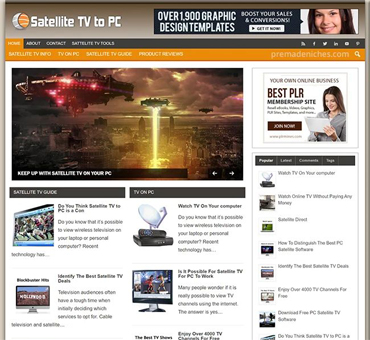
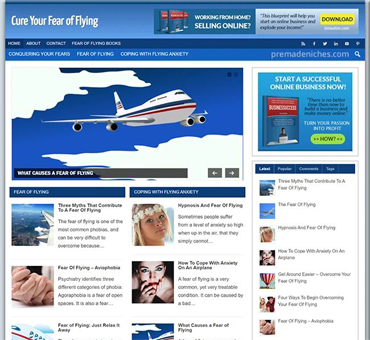
Premade niche websites are ready-built websites designed around a specific audience, industry, or commercial topic. Instead of beginning with a blank domain, choosing a theme, writing every page, and configuring basic features yourself, you receive an organized foundation that can be customized and launched comparatively quickly. For entrepreneurs, creators, freelancers, and small businesses, this approach can shorten the distance between an idea and a functioning online presence.
A quality site typically includes a mobile-friendly design, essential pages, navigation, starter content, contact functionality, and a structure suited to its niche. Some packages may also include branding elements, search-friendly settings, product categories, blog layouts, or lead-generation forms. The exact contents vary, so buyers should examine what is included rather than assuming every premade website offers the same value.
The central advantage is momentum. A finished framework eliminates many repetitive setup decisions, allowing you to concentrate on refining the message, publishing useful content, building relationships, and serving visitors. However, speed should not replace judgment. A website still needs accurate information, original material, trustworthy policies, secure software, and a clear business model.
What You Receive
A premade niche website is best understood as a starting system, not a guaranteed business. The package may contain a domain-ready design, page templates, placeholder images, sample articles, category structures, and calls to action. It may be built on a popular content management platform, a hosted builder, or another system selected by the provider.
Core Components
Look for a clear homepage that immediately explains who the site serves and what action visitors should take. Common actions include requesting a quote, booking a consultation, joining an email list, purchasing a product, or reading a guide. A useful site also provides an about page, contact page, privacy information, and navigation that works logically on both large and small screens.

Content quality matters as much as appearance. Attractive layouts can create a strong first impression, but thin, generic, or inaccurate text will weaken credibility. Starter copy should be treated as editable material. Replace broad claims with specific explanations, examples, pricing details, service boundaries, and evidence you can legitimately provide.
Technical configuration is another important component. Ask whether hosting, updates, backups, analytics, search settings, performance optimization, and security tools are included. If they are not included, determine their likely cost and the level of technical work required. A low purchase price may become expensive if essential services are missing or difficult to manage.
Why Choose a Niche Website
A niche website focuses on a defined need rather than trying to appeal to everyone. This focus makes decisions easier. You can choose relevant language, create more appropriate offers, and develop content for recognizable questions. A site about home organization, specialty tutoring, cycling accessories, or local wedding services can speak more directly than a vague general business portal.
Niche positioning can also improve communication. Visitors often want to know quickly whether a provider understands their situation. Specific headings, examples, and solutions help them identify relevance. This does not guarantee traffic or sales, but it can make every qualified visit more meaningful.

The model is especially useful when your idea is proven enough to deserve a web presence but not yet large enough to justify a custom development project. You gain a professional framework while preserving room for experimentation. As the business grows, you can add pages, tools, products, integrations, and distinctive branding.
Premade websites can also help agencies and freelancers serve clients efficiently. A consultant may adapt a suitable framework for a local service provider, while a designer can focus on brand refinement instead of rebuilding common components. Efficiency is valuable when it is paired with honest customization and proper testing.
Choosing the Right Package
Begin with the audience, offer, and desired action. Write a one-sentence description of the business before reviewing designs. For example, “We help independent restaurants reduce food waste through practical inventory coaching” is more useful than “We provide business solutions.” The clearer the idea, the easier it becomes to reject attractive but unsuitable templates.
Evaluate the Niche Fit
Check whether the layout supports your actual customer journey. A service business may need prominent booking and inquiry features. An affiliate publisher may need readable article templates and comparison tables. An online shop may require product filtering, payment integration, shipping information, and abandoned-cart tools. A membership project may need account management and restricted content.
Review the tone, imagery, color choices, and examples. A design created for luxury travel may not suit a budget repair service, even if both need contact forms. Adaptability is useful, but excessive changes can cost more than selecting a closer match initially.
Inspect Ownership and Access
Confirm who owns the domain, content, design files, licenses, and accounts. You should receive administrative access to the website, hosting, analytics, email system, and relevant integrations. Avoid arrangements that leave your business dependent on an inaccessible provider.
Read licensing terms for photographs, fonts, icons, plugins, and written content. Some assets are permitted only while a subscription remains active. Ask how updates are handled and whether your site can be transferred to another host. Clear ownership prevents unpleasant surprises later.
Compare Support
Support may include installation, training, troubleshooting, updates, and content guidance. Distinguish between technical assistance and ongoing marketing. A provider may help repair a broken feature but not write a complete editorial strategy. Understanding this boundary helps you budget realistically.
Ask how requests are submitted, what response expectations exist, and whether support covers third-party tools. A responsive, transparent provider can be more valuable than a slightly cheaper package with limited assistance.
Customizing the Website
Customization should make the site accurate, useful, and recognizable without destroying the structure that made the package efficient. Begin with the brand basics: name, logo, colors, typography, tone, and photography. Use consistent visual choices across the homepage, forms, social profiles, and email messages.
Next, rewrite the primary pages. The homepage should identify the audience, problem, solution, and next step. Service pages should explain deliverables, process, suitability, limitations, and ways to begin. Product pages need clear specifications, availability, delivery information, returns, and support details. An about page should establish relevance and trust without becoming a personal biography unrelated to customer needs.
Replace placeholder images with properly licensed visuals that show the context of your offer. Compress files so they load efficiently, add descriptive alternative text, and avoid decorative images that make important content harder to find. Authentic images are helpful, but do not imply results, locations, partnerships, or credentials that are not real.
Improve calls to action by matching them to visitor readiness. Someone discovering a topic may prefer a guide or email subscription, while a visitor comparing providers may be ready for a consultation or purchase. Offer one primary action per page and make the next step easy to understand.
Making the Site Search-Friendly
Search visibility begins with helpful content and a technically accessible website. Identify the questions your audience genuinely asks, then create pages that answer those questions clearly. A niche site can build authority through practical tutorials, explanations, comparisons, checklists, glossaries, and carefully maintained product or service pages.
Use descriptive page titles and headings. Organize related subjects into sensible categories, connect pages with internal links, and write introductions that accurately preview each page. Avoid repeating keywords unnaturally or publishing near-identical pages aimed at slightly different phrases. Search visitors value clarity, not mechanical wording.
Local businesses should provide consistent contact information and describe service areas precisely. Include relevant location pages only when each page contains genuinely useful local information. Online shops should maintain accurate inventory, shipping, and return details. Publishers should check links and update older content when recommendations or regulations change.

Technical basics also matter. Test mobile layouts, loading behavior, forms, navigation, redirects, and accessibility. Use readable contrast, keyboard-friendly controls, meaningful labels, and text alternatives where appropriate. Connect analytics and search monitoring tools so you can observe performance, but interpret data cautiously. A page with fewer visits may still be valuable if it produces qualified inquiries.
Turning Visitors Into Customers
A website should connect attention to a measurable business process. Decide how an inquiry is received, who responds, how quickly follow-up occurs, and what happens afterward. A beautiful contact form cannot compensate for unanswered messages.
Build trust through specific information. Explain your process, provide realistic expectations, display policies clearly, and show relevant qualifications only when they exist. Testimonials can help when they are genuine, attributable where appropriate, and representative of the offer. Never publish invented reviews or exaggerated outcomes.
Reduce friction in forms. Request only information needed for the next step, explain why sensitive details are collected, and provide a clear confirmation message. Test submissions from different devices and email accounts. For purchases, review payment security, taxes, shipping, refunds, and customer notifications before opening publicly.
Email capture can support longer decision cycles. Offer a useful reason to subscribe, such as a practical worksheet, buying guide, or educational series. State what subscribers will receive and make unsubscribing straightforward. Permission-based communication protects trust and supports sustainable growth.
Common Mistakes to Avoid
The first mistake is launching unchanged demo content. Generic wording, stock names, and irrelevant images signal that the site was not prepared for real customers. Edit every visible detail, including metadata, footer links, forms, and automated messages.
The second mistake is choosing appearance over function. A dramatic animation may slow the site or distract from the main action. Prioritize readable content, simple navigation, reliable forms, and strong mobile behavior.
Another mistake is assuming a niche automatically creates demand. Research competitors, customer language, pricing expectations, and practical problems before investing heavily. Talk with potential customers, examine existing communities, and test a small offer. The website should support a validated direction, not substitute for one.

Neglecting maintenance creates avoidable risk. Update software, review backups, remove unused extensions, monitor forms, check broken links, and refresh outdated information. Keep administrator accounts limited and use strong, unique passwords with additional protection where available.
Finally, avoid overbuilding. You may not need dozens of pages, complicated automation, or every possible integration at launch. Start with a focused site that performs its main job, then expand according to evidence from customer questions and business priorities.
A Practical Launch Checklist
Before publishing, confirm the domain points correctly and the website displays properly on common screen sizes. Proofread every page, test each link, submit every form, and inspect confirmation emails. Check that contact information is current and that policies match your actual practices.
Review visual consistency. The logo should be legible, headings should follow a clear hierarchy, buttons should look interactive, and images should support the message. Remove unfinished sections, empty categories, sample comments, and accidental placeholder text.
Check legal and ethical responsibilities relevant to your location and industry. Privacy notices, consent mechanisms, accessibility expectations, advertising disclosures, and professional requirements can differ. Seek qualified advice when the consequences of an error are significant.
Prepare basic operations before launch. Create response templates, establish an inquiry process, decide who manages updates, and record renewal dates for domains, hosting, and subscriptions. Keep a simple inventory of integrations and administrator accounts.
After launch, observe behavior rather than changing everything immediately. Ask new visitors what they expected, track completed actions, and note recurring questions. Improve the pages that create confusion or lose qualified prospects. A launch is the beginning of learning, not the final version.
Frequently Asked Questions
Are premade niche websites suitable for beginners?
They can be, especially when the platform has a clear editor and the provider offers guidance. Beginners still need to learn basic content editing, account security, backups, and customer communication. Choose a package with manageable tools rather than one overloaded with features.
Can I change the design later?
Usually, some changes are straightforward, such as colors, fonts, images, sections, and page layouts. Major structural changes may require specialist help or a new theme. Ask about flexibility before purchasing and keep a backup before making substantial edits.
Do premade websites include hosting?
Some do, while others provide only design files or an installed site. Read the package description carefully. Confirm renewal pricing, storage limits, email arrangements, backup practices, support boundaries, and what happens if you cancel.
Will the website rank in search results automatically?
No. A suitable structure can support optimization, but visibility depends on useful content, technical quality, competition, authority, relevance, and ongoing maintenance. Treat search performance as a gradual business activity rather than an automatic feature.
Can I sell products through one?
Many platforms support ecommerce, but capabilities vary. Verify payment options, taxes, shipping, inventory, refunds, customer accounts, and regional availability. Test the complete buying journey before promoting products.
How much customization is enough?
Customize until the site accurately represents your offer, audience, process, and brand. Preserve components that work well, but replace anything misleading, generic, or irrelevant. The goal is credible usefulness, not endless visual alteration.
Should I hire a professional?
Professional help is worthwhile when you face complex integrations, regulated content, accessibility concerns, migration work, conversion problems, or limited time. You can often handle basic wording and images yourself, then hire targeted assistance for technical or strategic tasks.
Conclusion
Premade niche websites provide a practical route from concept to online presence. Their greatest value is not that they eliminate work, but that they organize the early work into a usable framework. By starting with a focused audience, selecting a package that fits the customer journey, confirming ownership, and replacing generic material with accurate content, you can launch with greater confidence.
The strongest results come from treating the website as an operating tool rather than a decorative brochure. Connect it to a clear offer, reliable follow-up, helpful information, and a maintenance routine. Test every important interaction, respect visitor privacy, and improve the experience as real questions and behavior reveal opportunities.
Choose speed strategically. A premade foundation can help you publish sooner, test demand, and direct resources toward customers. With thoughtful customization and consistent care, it can become more than a quick launch: it can serve as a flexible foundation for a credible, sustainable online business.
WP AI Autoblogging Beginners Guide

Best WordPress AI Autoblogging Plugin

WP Learning 101

Free YouTube Backlink Generator Software

Latest Product