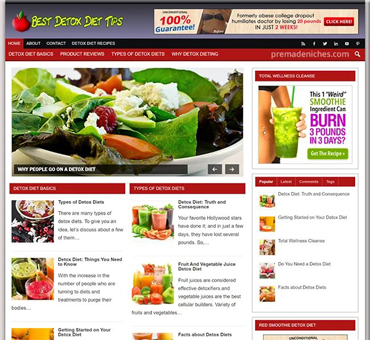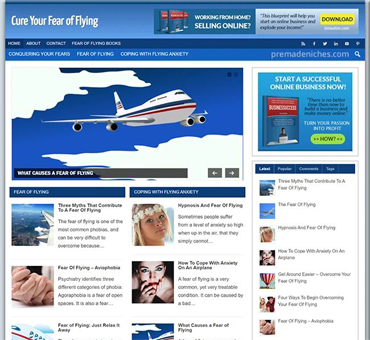


Niche website SEO is the practice of improving a focused website so it attracts the right visitors, earns trust, and converts relevant demand into measurable results. A niche site may serve a narrow audience, specialize in one product category, answer questions about a particular hobby, or support a local community. Its advantage is focus: instead of competing everywhere, it can become exceptionally useful in one clearly defined area.
The strongest strategy combines audience research, technically sound publishing, original expertise, thoughtful internal linking, and realistic authority building. Rankings are not the only objective. A successful site should attract visitors with a genuine need, help them make progress, and give them an appropriate next action. This guide explains how to build that system, what to prioritize, which mistakes to avoid, and how to assess performance without relying on empty traffic numbers.
Niche Website Seo: Define the niche and its commercial purpose
Start by writing a one sentence description of the audience, problem, and outcome your website serves. “Information about gardening” is broad. “Practical balcony gardening advice for renters with limited sunlight” is more useful because it identifies a group, context, and need. This definition guides content decisions, tone, product selection, and competition analysis.
A strong niche has a recognizable audience and recurring questions. It also has enough depth to support many connected topics without becoming artificially broad. Examine forums, community discussions, customer reviews, product questions, support pages, and competing sites. Look for repeated frustrations, confusing terminology, missing comparisons, and decisions people struggle to make. Those observations often reveal better opportunities than generic keyword lists.
Then clarify the business model. Possible models include affiliate recommendations, digital products, consulting, advertising, subscriptions, lead generation, or direct sales. The model affects search intent. A review site needs careful evaluation standards; a service site needs location and qualification information; an educational site may prioritize email subscriptions or paid resources.

Do not choose a topic solely because a keyword appears popular. Broad demand can bring visitors who have no interest in your offer. A smaller query with clear commercial relevance may produce greater value. Assess accessibility, competition, monetization fit, personal knowledge, and the cost of creating genuinely useful content.
Research search intent before choosing topics
Keywords are clues about needs, not instructions to repeat phrases. For each topic, identify what the searcher wants to accomplish. Informational intent includes questions such as how, why, or what. Comparative intent involves alternatives, reviews, and “best” queries. Transactional intent indicates readiness to buy, subscribe, book, or request information. Navigational intent points toward a known brand or resource.
A page should satisfy its dominant intent quickly. Someone searching for a setup tutorial expects steps, tools, warnings, and a sensible sequence. Someone comparing products needs criteria, limitations, differences, and a decision framework. A sales page should explain fit, evidence, objections, and next steps rather than behave like a general encyclopedia.
Build a topic map instead of publishing isolated articles. Place a broad pillar page at the center, then create supporting pages that address specific questions. For a coffee equipment site, a pillar might explain home brewing methods, while supporting pages cover grinder settings, water quality, cleaning, travel equipment, and method comparisons. Connect these pages naturally with descriptive anchor text.

Prioritize topics using three filters: relevance to the audience, ability to demonstrate expertise, and business value. Add a fourth filter for achievable competition. A page can be worthwhile even when it has modest demand if it answers an important question and supports a valuable product or service. Conversely, a high-volume topic may waste resources if established publishers dominate it and the visitors rarely convert.
Build a technically reliable foundation
Technical SEO helps search engines access, interpret, and display your content, but it also improves the human experience. Use a clear site structure with logical categories, stable URLs, descriptive page titles, and one obvious primary heading. Keep important pages reachable through ordinary links rather than hiding them behind filters, scripts, or endless pagination.
Ensure pages load efficiently on mobile devices. Compress images, avoid unnecessary scripts, reduce layout shifts, and choose dependable hosting. Performance is not a substitute for usefulness, yet slow, unstable pages can frustrate visitors before they read your work. Test important templates, forms, menus, and checkout paths on different screen sizes.
Submit an accurate XML sitemap when appropriate, and inspect indexing regularly. Check for accidental noindex directives, blocked resources, duplicate URLs, broken links, redirect chains, and pages that return errors. Canonical signals should reflect your preferred version rather than conceal a fundamentally duplicated or confusing structure.
Use structured data only when it accurately describes visible page content and the relevant format is supported. Schema can clarify information such as products, articles, organizations, breadcrumbs, or frequently asked questions, but markup does not make weak content authoritative. Keep business details consistent across important profiles and contact pages.
Accessibility deserves equal attention. Use meaningful headings, readable contrast, keyboard-friendly controls, descriptive image alternatives, and clear labels. Accessible design helps more people use the site and often exposes confusing navigation or vague content that would hurt everyone.
Create content that earns trust
Niche websites compete most effectively through specificity. Generic summaries are easy to produce and easy to ignore. Strong articles explain the situation, define terms, show practical examples, acknowledge limitations, and help readers choose between reasonable options. Add original analysis, first-hand material only when genuinely available, diagrams, decision tables, calculations, or carefully explained processes.
A persuasive article does not need exaggerated claims. Explain who a recommendation suits, who should avoid it, what assumptions support it, and what tradeoffs matter. If reviewing a product, describe evaluation criteria, compatibility, maintenance, total cost considerations, and realistic alternatives. Avoid claiming personal testing, certifications, results, or industry recognition unless those facts are verifiable and actually apply.

Use an editorial brief before drafting. Record the intended reader, primary question, secondary questions, search intent, required evidence, recommended format, internal links, and conversion goal. This prevents articles from drifting into unrelated coverage. An outline should reflect the reader’s decision path: context, criteria, options, implementation, cautions, and next action.
Write introductions that answer the central question early. Readers should understand the page’s promise within the first few paragraphs. Use examples to make abstract guidance concrete, but do not bury the main advice beneath a long personal story. Break complex subjects into useful sections, and summarize important conclusions where readers naturally need them.
Refresh content when products, software, standards, prices, or recommended methods change. A refresh is more than changing a date. Recheck claims, remove obsolete links, improve weak sections, compare current alternatives, and revise the page’s conclusion. Keep a change record internally so editors know what was reviewed and why.
Strengthen internal linking and topical relevance
Internal links distribute attention and help readers move from general explanations to detailed solutions. Link from high visibility pages to newer or commercially important resources, but make every link useful in context. “Click here” provides little information; “compare manual and electric grinders” signals what the destination contains.
Design several pathways. A beginner should be able to start with an overview, visit a terminology page, read a practical tutorial, compare options, and reach a recommendation without returning to the search results. Related links at the end can help, but contextual links within explanations usually provide stronger navigation.
Review orphan pages, which have no meaningful internal links. Also identify pages competing for the same intent. If two articles answer nearly identical questions, consider combining them, redirecting one, or clearly separating their purposes. Cannibalization is not simply two pages sharing words; it is confusion about which page should satisfy a need.
Use categories sparingly. A category should help people browse and should contain enough related material to justify its existence. Avoid creating many thin tag pages that add little value. Breadcrumbs can clarify hierarchy, especially on stores and large information sites.
Earn relevant authority carefully
External links can increase discovery and credibility, but quality and relevance matter more than volume. Create assets people have a reason to cite: original explanations, practical tools, data you collected lawfully, visual references, glossaries, or expert interviews that add genuine substance. Promote them to communities where the subject is already discussed, without spamming or disguising advertising as help.

Partnerships can work when they reflect real relationships. A supplier, professional association, local organization, educational institution, or complementary publisher may link to a useful resource. Contributions to other publications should be original and audience appropriate. Avoid low-quality guest posting, automated directory schemes, private link networks, and purchased links designed solely to manipulate rankings.
Digital public relations is not only about obtaining mentions. It can introduce your expertise to people who later search for your brand, recommend your resources, or become customers. Make your claims easy to verify, provide a clear author or organization identity, and maintain a contact page that explains how inquiries are handled.
A narrow brand can build authority through consistency. Publish within the same area, use a recognizable editorial standard, show relevant experience without inventing credentials, and answer criticism constructively. Trust accumulates when readers repeatedly find accurate, practical information.
Optimize pages for conversions
Traffic has limited business value when visitors cannot understand what to do next. Match calls to action with intent. An early-stage reader may want a checklist or newsletter; a comparison reader may need a buying guide; a qualified service visitor may be ready for a consultation. Present the next step without interrupting the answer.
Make commercial pages transparent. Explain pricing when possible, eligibility, delivery or response expectations, returns, limitations, privacy practices, and conflicts of interest. Affiliate disclosures should be clear and placed where readers can notice them. Recommendations become more persuasive when the selection process and exclusions are explained.
Improve trust signals through useful author information, editorial policies, contact options, secure forms, customer support details, and evidence appropriate to the claim. Do not add decorative testimonials or invented reviews. If customer feedback is available and permission allows its use, preserve context rather than presenting isolated praise.
Test one meaningful change at a time when possible. Compare clearer headings, shorter forms, stronger comparison tables, or more relevant calls to action. Interpret results cautiously because seasonality, traffic mix, and external events can influence outcomes. A higher conversion rate is not automatically better if it comes from misleading expectations or unsuitable leads.
Measure performance beyond rankings
Use analytics and search performance tools to examine impressions, clicks, engagement, conversions, returning visitors, and assisted outcomes. Rankings can fluctuate by location, device, personalization, and search features, so treat them as directional evidence rather than a complete verdict.

Create a simple measurement framework. For each important page, record its target audience, intent, primary business action, supporting actions, and acceptable quality indicators. An informational guide may be successful when it generates subscriptions and leads readers to a relevant service page. A product page may focus on qualified purchases, while a support article may reduce repetitive inquiries.
Review performance by topic cluster, not only by individual URL. A cluster with several pages gaining impressions may deserve stronger internal links and a conversion path. A cluster receiving traffic but producing no meaningful action may have a mismatch between audience and offer. Low impressions can indicate weak demand, indexing problems, poor relevance, or insufficient authority; do not assume one cause.
Monitor search queries for unexpected language. Searchers may reveal subtopics you did not anticipate, terminology they prefer, or questions your page answers only partially. Use those findings to improve sections and future briefs, not to insert awkward phrases repeatedly.
Common mistakes and practical safeguards
Publishing too frequently can reduce quality and exhaust a small team. Establish a sustainable schedule based on research and maintenance capacity. A carefully developed article that remains useful may outperform several rushed posts.
Targeting every related keyword creates a scattered site. Keep the audience and purpose visible when evaluating ideas. Likewise, copying competitor outlines produces predictable content. Study competing pages to identify user expectations, then add clearer explanations, better decisions, stronger examples, or more appropriate evidence.
Ignoring existing content is another costly mistake. Before creating a page, search your own site for related coverage. Improve or consolidate what exists when that is more useful than adding another URL. Perform regular link checks and remove outdated recommendations that could mislead readers.
Overusing automation can introduce factual errors, repetitive prose, and unsupported certainty. Editorial review remains essential, especially for medical, legal, financial, safety, or technical subjects. For high-impact decisions, encourage readers to consult qualified professionals or authoritative current guidance rather than presenting general information as personal advice.
FAQ
How long does niche SEO take?
There is no universal timetable. Progress depends on competition, site history, content quality, technical health, authority, and consistency. Early improvements may involve indexing and better engagement, while broader visibility can require sustained publishing and promotion. Evaluate trends over meaningful periods rather than expecting a fixed result.
Should a niche site target low-volume keywords?
Often, yes, when the query closely matches a valuable need. Low volume does not mean low importance, and some searches are expressed in many variations. Prioritize relevance, clarity of intent, and business fit. Do not pursue tiny topics merely to publish more pages.
How many articles should a niche website publish?
There is no useful universal number. Publish enough to cover the audience’s important questions and connect them into a coherent resource. Ten excellent pages may be more valuable than one hundred thin pages. Include maintenance time in your plan.
Are backlinks necessary?
External references can help discovery and authority, but they are not a replacement for useful content and sound technical foundations. Build links through resources, relationships, and legitimate promotion. Avoid schemes that create artificial patterns or place the site at risk.
Should every article contain a product recommendation?
No. Forced recommendations damage trust and mismatch informational intent. Recommend something only when it genuinely helps the reader, disclose commercial relationships, and explain alternatives. Some pages should simply answer a question and guide readers toward a related resource.
How often should content be updated?
Update based on change risk and importance. Product comparisons, software instructions, regulations, and prices may need frequent review. Stable educational concepts may need less frequent attention. Always verify important claims rather than changing a publication date without substantive work.
Conclusion
Niche website SEO succeeds when focus becomes a practical advantage. Define a specific audience, understand its decisions, organize topics into useful clusters, and publish material that offers more clarity than generic summaries. Support that content with fast, accessible technology, logical internal links, ethical authority building, and conversion paths that respect intent.
Measure outcomes that matter, including qualified engagement, subscriptions, inquiries, sales, and returning visitors. Improve pages based on evidence, consolidate overlap, and maintain accuracy as circumstances change. The persuasive strength of a niche site does not come from repeating a keyword or chasing every trend. It comes from becoming a dependable answer for a clearly understood group of people. When each page solves a real problem and the site guides visitors toward an appropriate next step, targeted growth becomes both more realistic and more sustainable.
WP AI Autoblogging Beginners Guide
Best WordPress AI Autoblogging Plugin

WP Learning 101

Free YouTube Backlink Generator Software

Latest Product